
Introduction
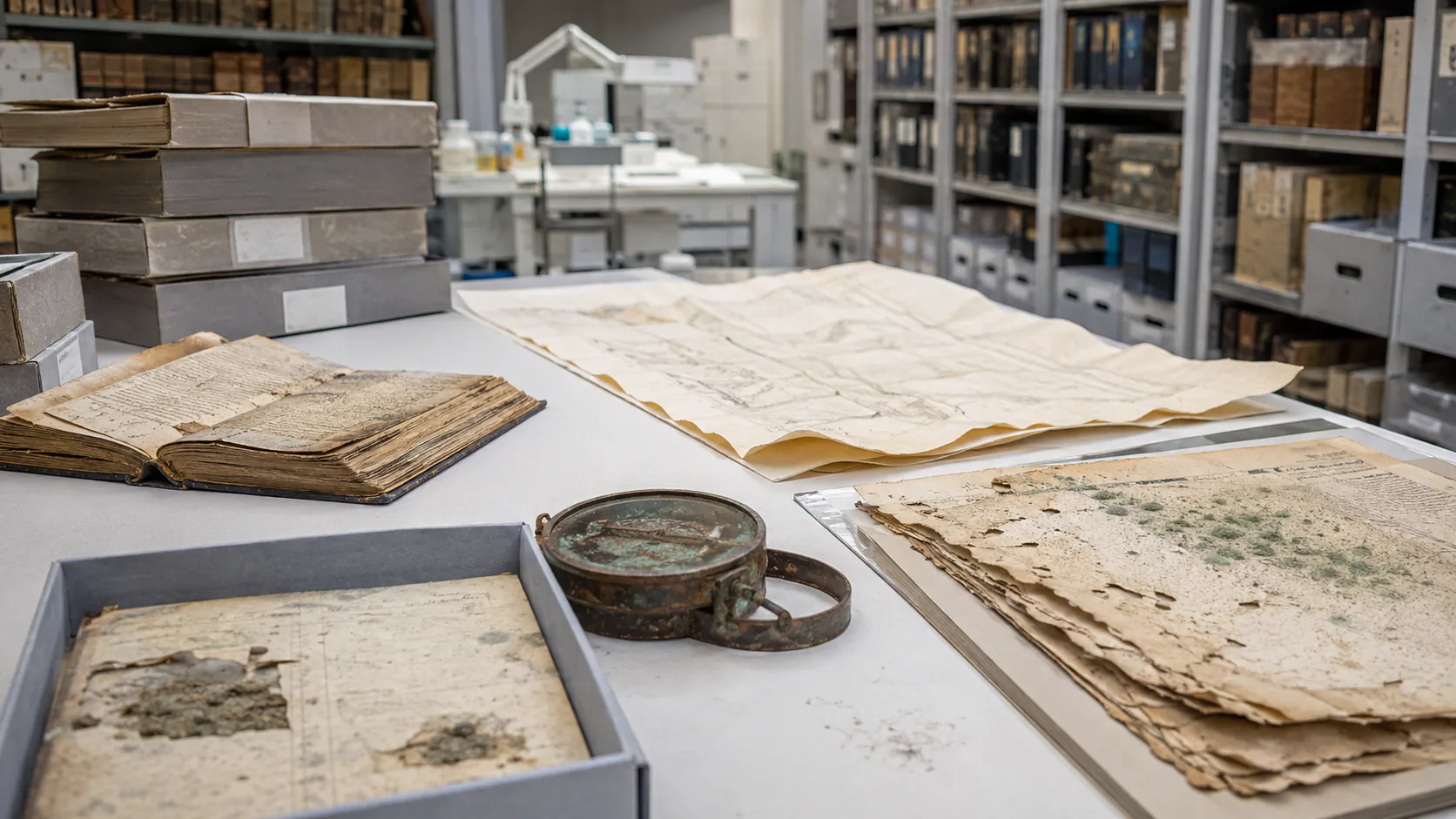
Museums, archives and cultural institutions preserve collections made from highly sensitive materials, including paper, books, textiles, wood, metals, photographs and composite objects.
Although conservation treatments can repair damaged objects, many forms of deterioration are irreversible once they occur.
Preventive conservation focuses on reducing risks before damage happens by creating stable, controlled and monitored environments for collections.
A successful preventive conservation strategy combines scientific understanding, environmental management and appropriate preservation technologies.
What Is Preventive Conservation?
Preventive conservation is the practice of protecting cultural collections by controlling the conditions that influence deterioration.
Unlike conservation treatment, which directly repairs damaged objects, preventive conservation focuses on managing external factors that cause damage.
The objective is to slow deterioration processes and maintain collection stability over time.
Major Risks Affecting Museum Collections
Environmental Instability
Temperature and relative humidity fluctuations are among the most common causes of collection deterioration.
Risks include:
- Paper expansion and contraction
- Cracking of coatings and layers
- Warping of wooden objects
- Corrosion of metals
- Adhesive failure
Related Technical Guide:
Collections Storage Environment Standards
Biological Risks
Insects and microorganisms can cause serious damage to collections.
Common threats include:
- Booklice
- Beetles
- Moths
- Mold growth
Preventive approaches include inspection, monitoring, Integrated Pest Management, quarantine procedures and appropriate treatment systems.
Related Technical Guide:
Integrated Pest Management for Museums
Anoxic Disinfestation & Nitrogen Anoxia
Dust and Airborne Pollutants
Dust particles and pollutants can accumulate on collection surfaces and accelerate deterioration.
Preventive measures include clean storage environments, filtration, controlled cleaning procedures and conservation workstations.
Related Technical Guide:
Archive Cleaning & Dust Extraction
Improper Storage and Display Conditions
Collections require suitable storage and display environments to minimize risks from handling, support failure and unstable conditions.
Related Technical Guide:
Museum Display Case Microclimate Control
The Preventive Conservation Framework
Risk Assessment
Institutions should evaluate:
- Collection materials
- Existing environmental conditions
- Building performance
- Storage requirements
- Operational limitations
Environmental Monitoring
Monitoring provides data about:
- Temperature
- Relative humidity
- Air quality
- Environmental fluctuations
This allows institutions to identify risks and make evidence-based decisions.
Environmental Control
Appropriate solutions may include:
- Humidity control systems
- Controlled storage environments
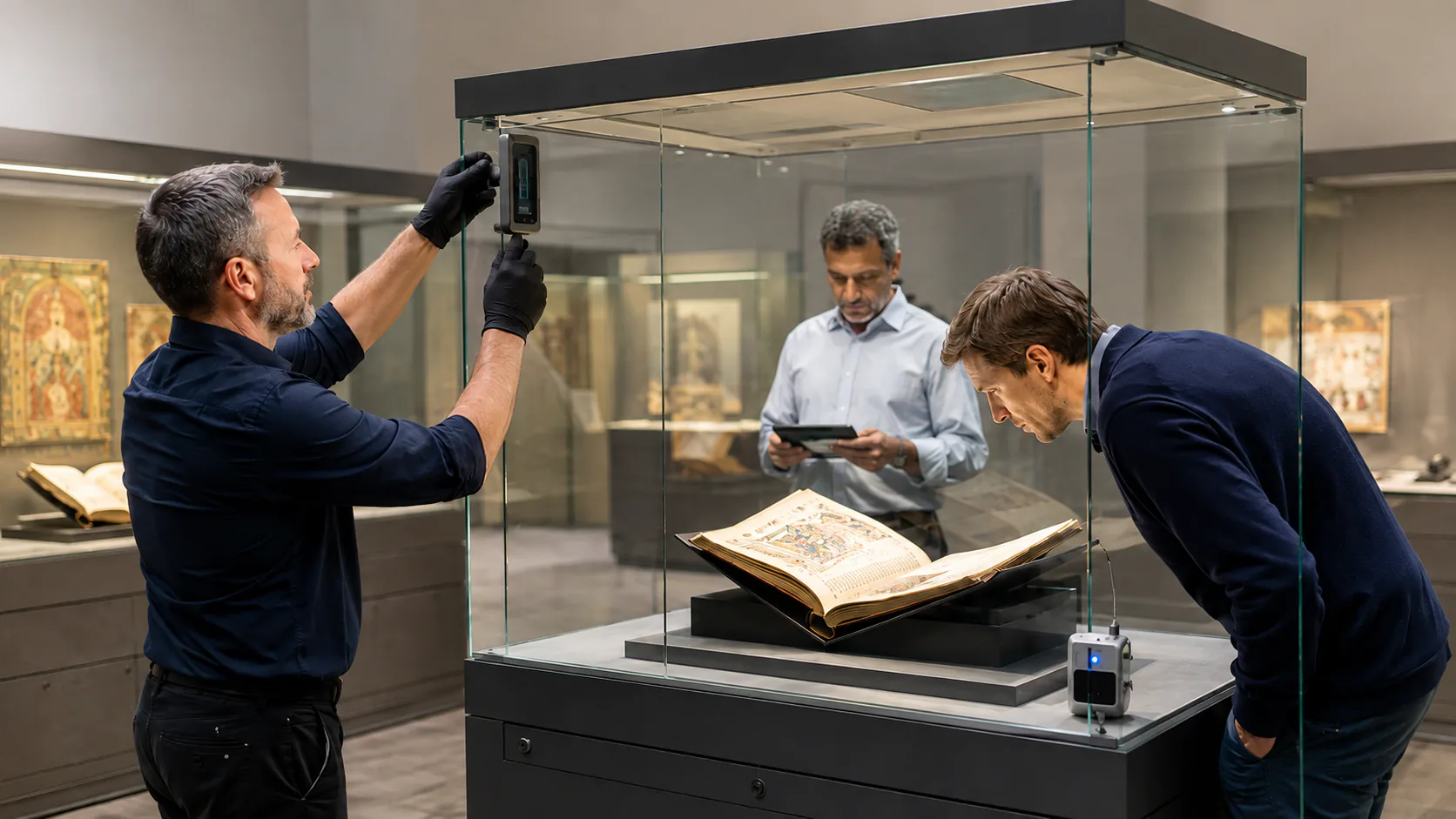
- Microclimate display cases
- Air filtration systems
The objective is to create stable and maintainable environments.
Preventive Treatment and Intervention
When environmental management alone cannot control risks, targeted treatment methods may be required.
Examples include:
- Anoxic disinfestation
- Plasma-ozone treatment
- Mass deacidification
- Paper reinforcement
- Freeze-drying recovery
Preventive Conservation vs Conservation Treatment
| Preventive Conservation | Conservation Treatment |
|---|---|
| Prevents damage | Repairs existing damage |
| Controls environmental risks | Directly modifies objects |
| Focuses on collection systems | Focuses on individual objects |
| Long-term protection | Targeted intervention |
Preventive conservation reduces future risks, while conservation treatment addresses existing damage.
Developing an Effective Preservation Strategy
Step 1: Understand Collection Risks
Identify materials, condition, vulnerabilities and existing threats.
Step 2: Establish Monitoring Systems
Collect reliable environmental data and identify unstable conditions.
Step 3: Improve Storage and Display Environments
Implement systems according to collection requirements, including controlled storage rooms, display cases and conservation workstations.
Step 4: Establish Maintenance and Response Procedures
Long-term protection requires inspection, equipment maintenance, emergency planning and staff training.
Sinoalta Preventive Conservation Solutions
Sinoalta provides integrated preservation systems designed for museums, archives, libraries and cultural institutions.
Solutions include:
- Environmental control systems
- Collection storage protection
- Pest management systems
- Archive cleaning equipment
- Conservation treatment equipment
- Microclimate display solutions
By combining environmental management, monitoring and specialized preservation technologies, Sinoalta helps institutions create safer and more stable environments for sensitive materials.
Frequently Asked Questions
What is preventive conservation in museums?
Preventive conservation is a systematic approach to protecting collections by reducing risks before deterioration occurs through environmental management, monitoring and appropriate preservation practices.
Why is preventive conservation important?
Many forms of deterioration are irreversible. Preventive conservation helps extend collection lifespan by controlling factors that accelerate damage.
What risks are managed through preventive conservation?
Common risks include unstable temperature and humidity, pests, pollutants, dust, improper storage conditions and emergency events.
How is preventive conservation different from conservation treatment?
Preventive conservation focuses on preventing damage, while conservation treatment focuses on repairing or stabilizing objects that are already damaged.
What role does environmental monitoring play in collections care?
Environmental monitoring provides data about collection conditions and helps institutions identify risks and improve preservation strategies.
Do all museums need the same preventive conservation strategy?
No. Strategies should be customized according to collection materials, building conditions, climate, operational requirements and available resources.
Selected Technical References
- Canadian Conservation Institute, Framework for Preserving Heritage Collections
- Canadian Conservation Institute, Agent of Deterioration: Pests
- U.S. National Park Service, Museum Handbook, Part I — Chapter 5: Biological Infestations
- Getty Conservation Institute, Nitrogen Anoxia Research
- NEDCC, Cleaning Books and Shelves
- Canadian Conservation Institute, Airtightness Measurement of Display Cases and Other Enclosures
- Canadian Conservation Institute, Climate Guidelines
- Canadian Conservation Institute, Control of Pollutants in Museums and Archives
- Library of Congress, Mass Deacidification Program
- U.S. National Archives, Comparison of Drying Techniques
Scope and review note: Written by Stella Wynn for Sinoalta. Sinoalta is responsible for this institutional content. Issued and most recently reviewed in August 2026. It summarizes selected conservation sources for project planning and does not replace object-specific assessment, qualified conservation advice, applicable safety requirements or project validation.
 Guide
Guide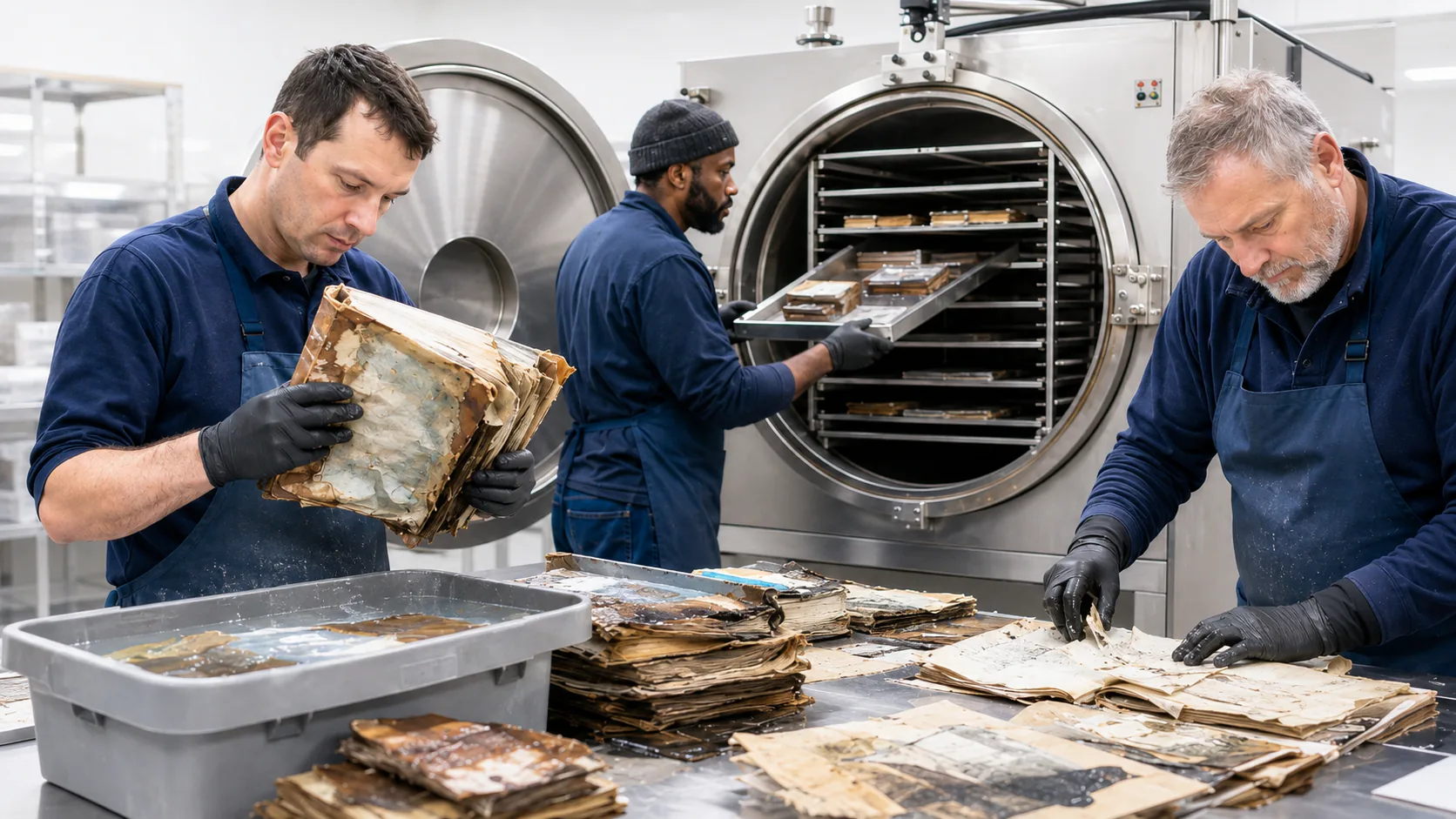 Guide
Guide