
Insect Infestation
Pests can remain concealed inside books, paper, wood, textiles, packaging, and other collection materials.
Preservation Solutions
Protect museum and archive collections from insect pests through integrated pest management, quarantine, monitoring, nitrogen-anoxic treatment, and controlled freezing. Select a pathway around confirmed pest evidence, material compatibility, batch capacity, and institutional workflow.
Pest Control Challenges
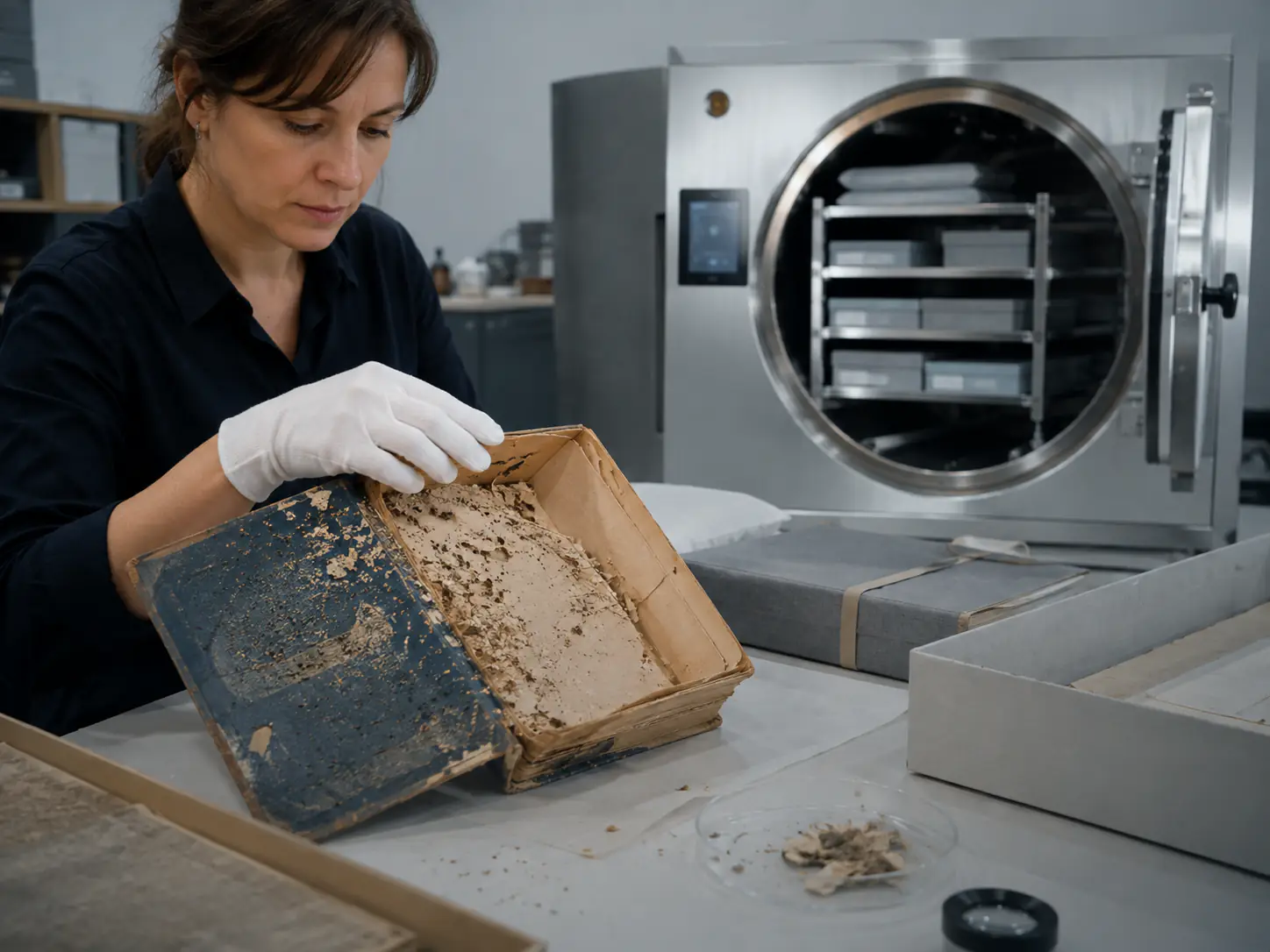
Pests can remain concealed inside books, paper, wood, textiles, packaging, and other collection materials.
Collections may require residue-free methods selected around material compatibility and operational constraints.
Every treatment pathway begins with screening for material sensitivity, construction, condition, and associated risks.
Product configurations support different treatment volumes, enclosure forms, and institutional workflows.
Recommended Solutions
Connect preventive IPM with non-chemical insect treatment, batch documentation, and follow-up monitoring through systems configured for collection materials and throughput.
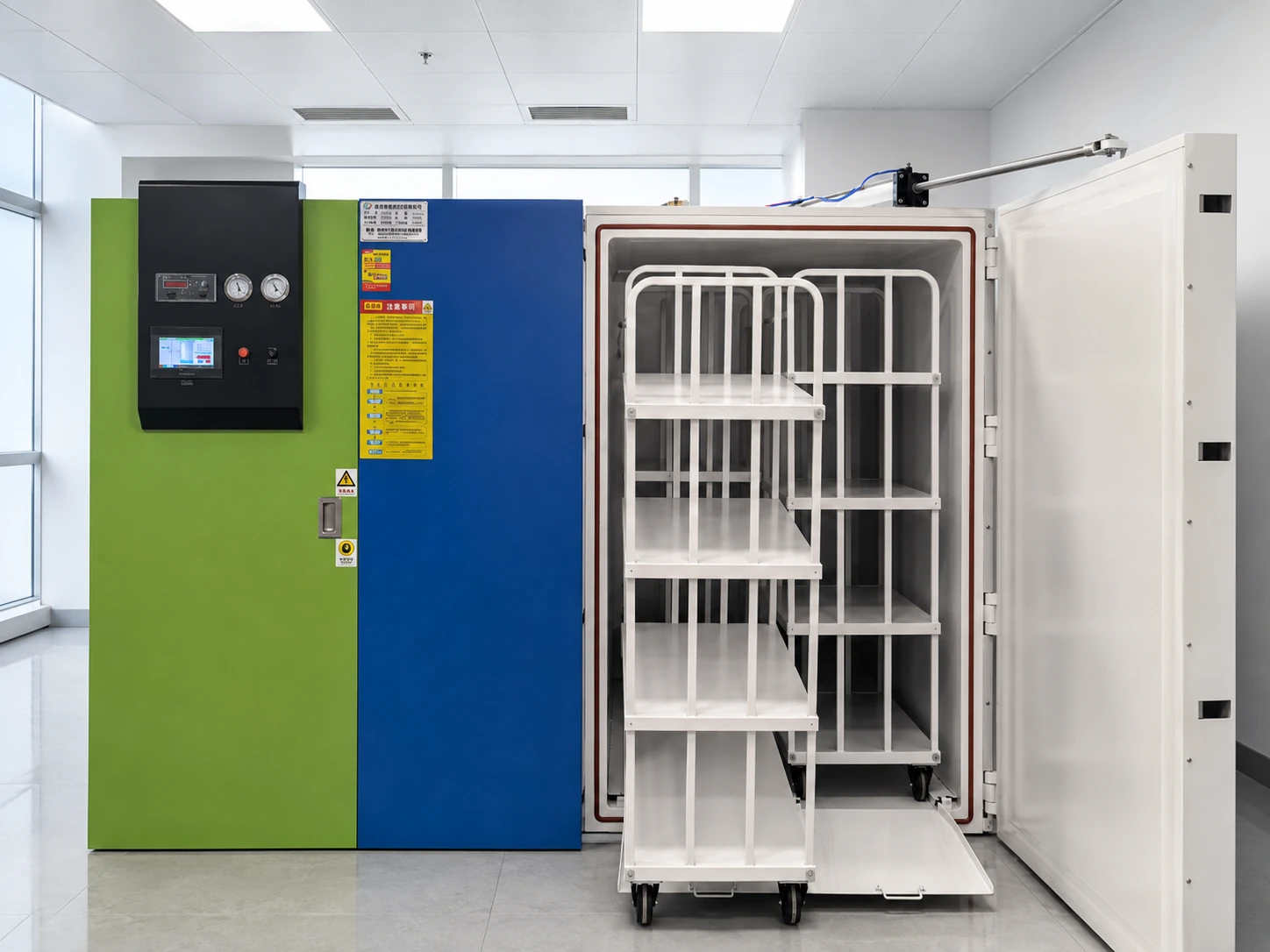
A product family supporting controlled low-oxygen treatment through project-selected configurations.
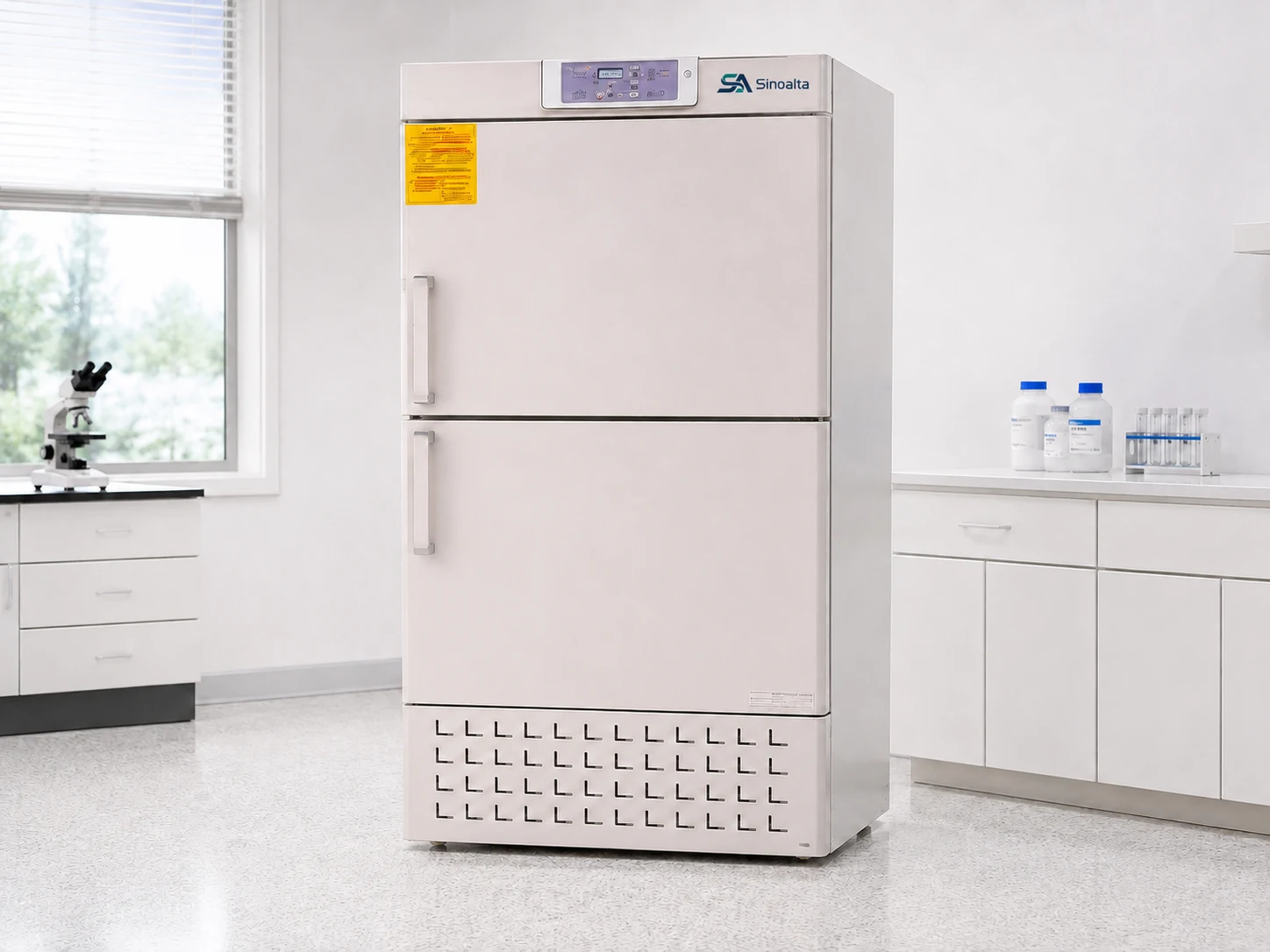
Controlled low-temperature treatment offered through configurations for different capacities and operating contexts.
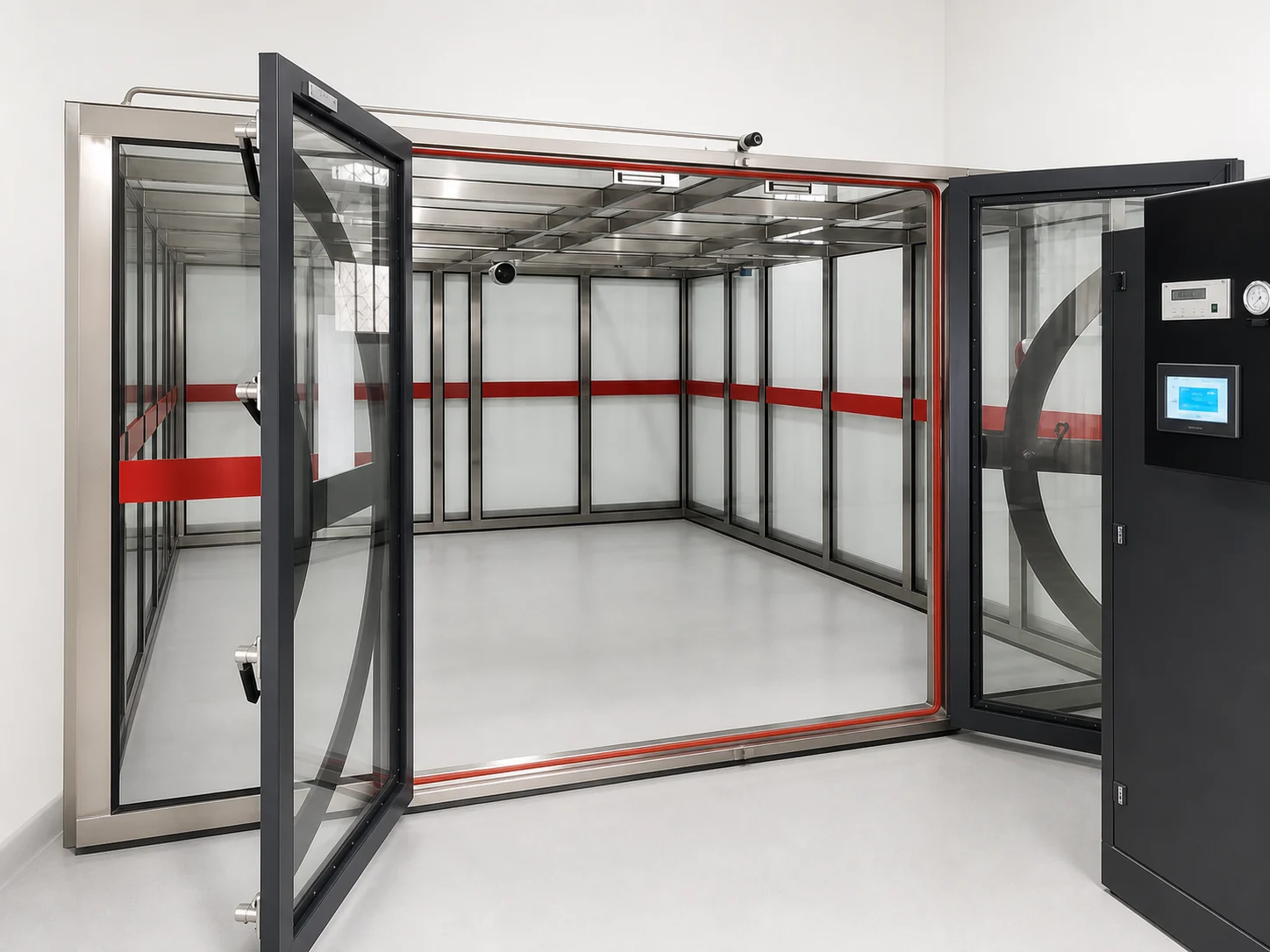
Integrated planning that connects inspection, prevention, monitoring, isolation, treatment, and follow-up.
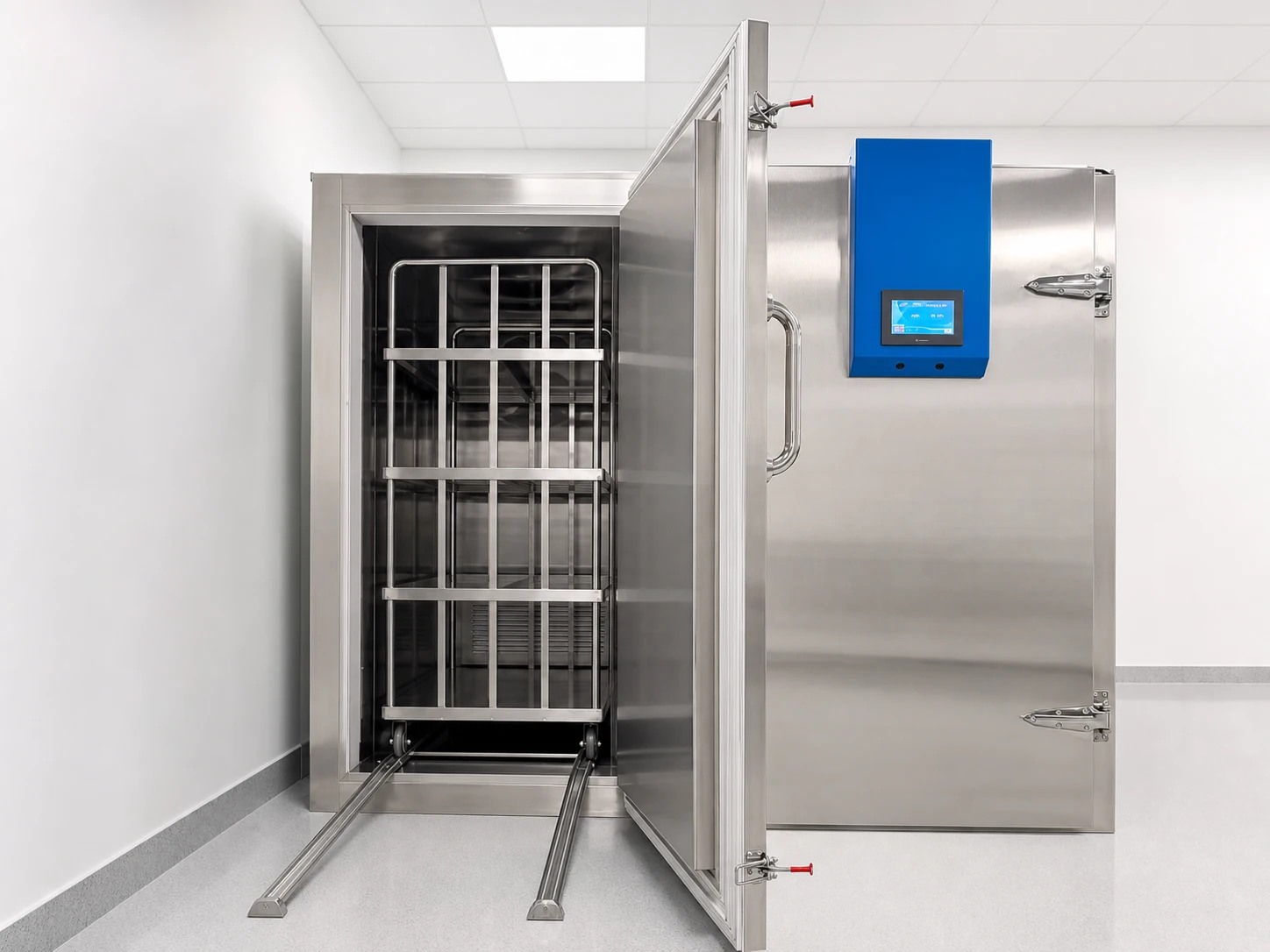
A project-defined process for treatment records, outcome review, reporting, and continued monitoring.
Typical Applications
Supporting institutions that prevent, isolate, assess, and treat collection pest risks.
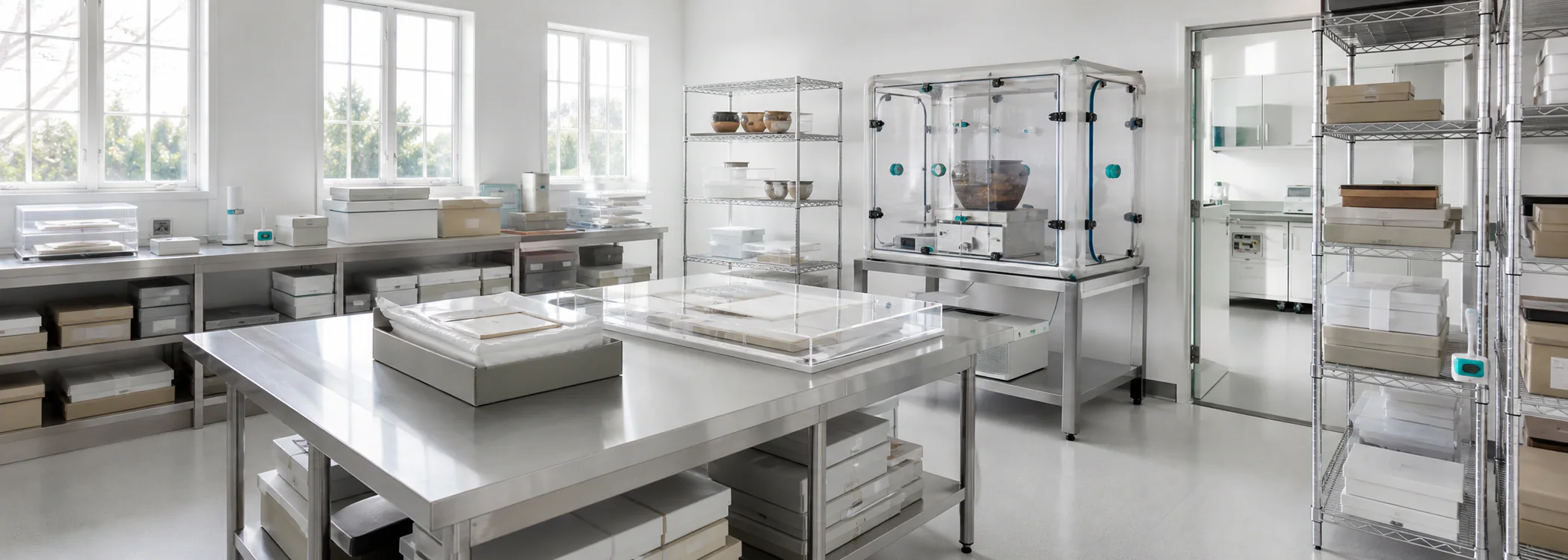
Mixed collections requiring documented pest prevention, isolation, and treatment workflows.
Books, manuscripts, photographic materials, boxes, and documentary collections.
Preventive and responsive treatment planning connected to collection stores.
Incoming acquisitions, loans, returns, and isolated batches assessed before collection entry.
Our Process
Assess evidence, pest type, collection materials, condition, volume, and environmental context.
Compare anoxic treatment or controlled freezing against material compatibility, pest evidence, timing, batch size, and facility constraints.
Define the suitable system, configuration, capacity, workflow, interfaces, and record requirements.
Review treatment records, document outcomes, and continue prevention and monitoring.
Resources
Compare planning considerations for the two principal treatment pathways.
Explore Guide →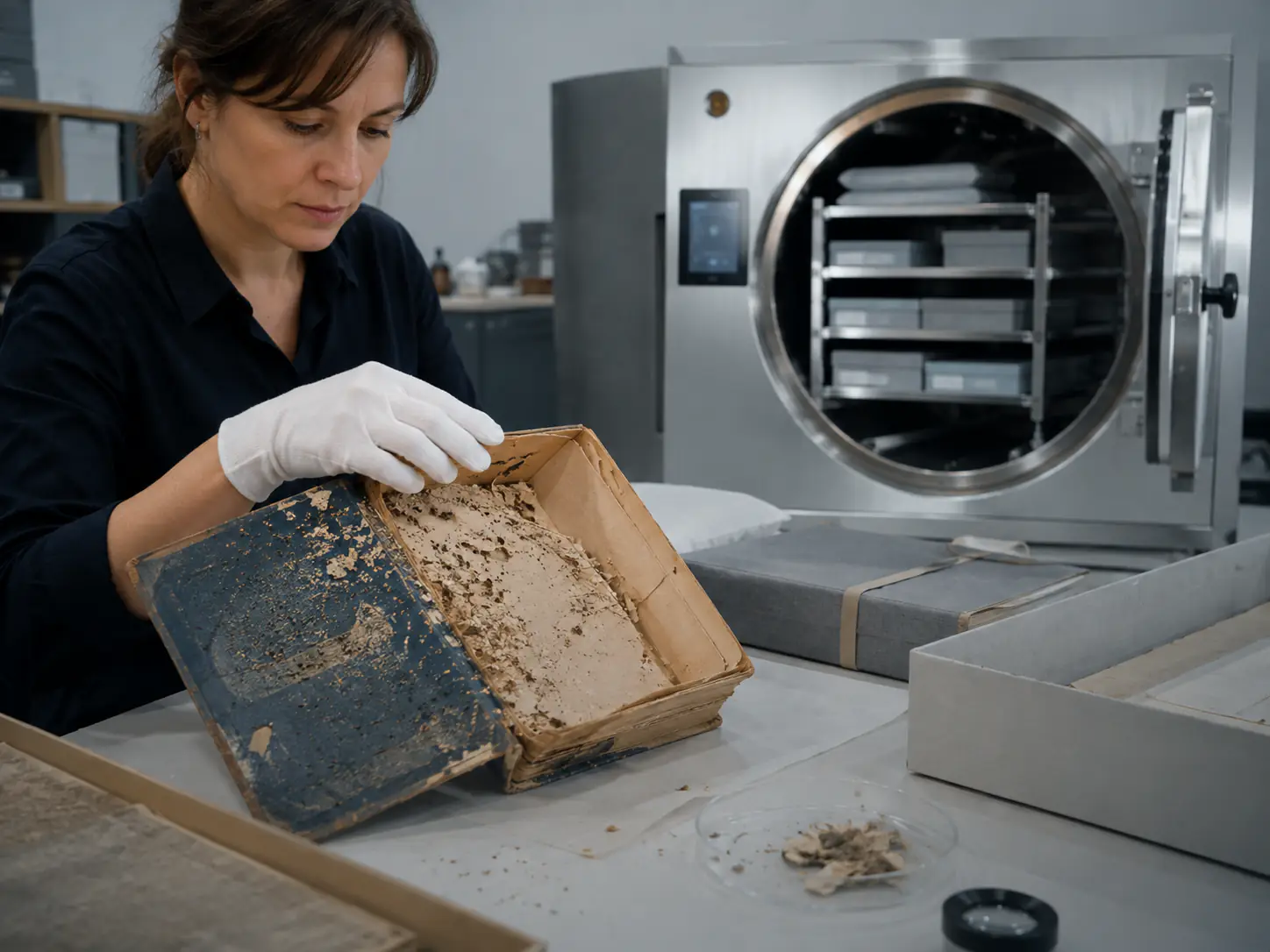
Connect prevention, monitoring, isolation, treatment, and documentation.
Read Technical Guide →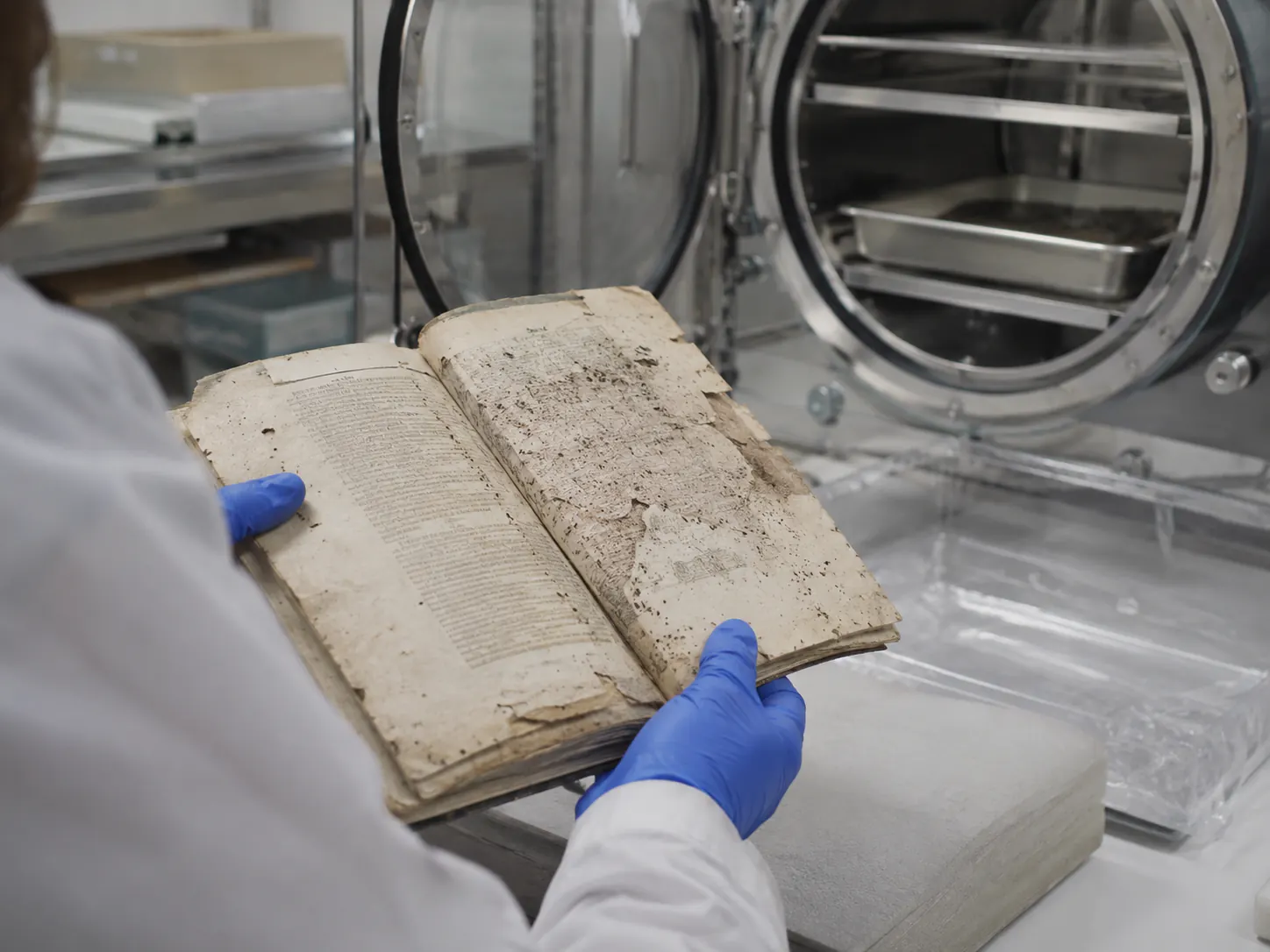
Watch the published Sinoalta introduction to a nitrogen-anoxia treatment system.
Watch on YouTube →
Frequently Asked Questions
Anoxic treatment can target eggs, larvae, pupae, and adults when the selected process maintains suitable low-oxygen conditions throughout the load for the required exposure. Results depend on the pest, temperature, enclosure leakage, load density, packaging, and monitoring. It should be a controlled, documented treatment rather than an assumed outcome. Evidence of mold or microbial contamination requires a separate assessment and is not the purpose of an insect-control cycle.
Controlled freezing may suit screened materials when rapid batch processing and suitable freezing capacity are available. Anoxic treatment may be preferred for objects or assemblies whose materials, size, construction, or condition make freezing inappropriate. The choice should consider pest evidence, all component materials, packaging, batch volume, time, and handling risk. Neither method replaces quarantine, inspection, housekeeping, exclusion, and monitoring within a wider integrated pest management program.
Composite objects, tightly constrained assemblies, brittle or degraded materials, sensitive surface coatings, and items containing unknown adhesives or components need careful review before freezing. Material response can differ across one object, especially during cooling and warming. A conservator should assess condition, construction, prior treatment, packaging, and the consequences of temperature change. When compatibility remains uncertain, anoxic treatment or another approved pathway may offer a more appropriate insect-control option.
Sometimes, but the housing must not prevent the treatment conditions from reaching the entire object. Review enclosure permeability, internal voids, packing density, object condition, component compatibility, and the risk created by unpacking. Treatment loads should be arranged and monitored as a system, not judged only by the chamber environment. Sealed, densely packed, or complex objects may require modified packaging, a different loading plan, or an alternative treatment pathway.
Quarantine separates incoming or suspect material while inspection and identification determine the risk. Appropriately selected and mapped traps reveal pest presence and trends, while documented checks connect findings to locations, seasons, and collection movement. These measures do not eliminate an established infestation by themselves. They guide targeted treatment and help teams address entry routes, food sources, housekeeping, storage practices, and building conditions that could allow insect activity to return.
Protect Your Collections
Share collection materials, infestation evidence, batch volume, timing, and facility constraints to plan the appropriate treatment pathway.