
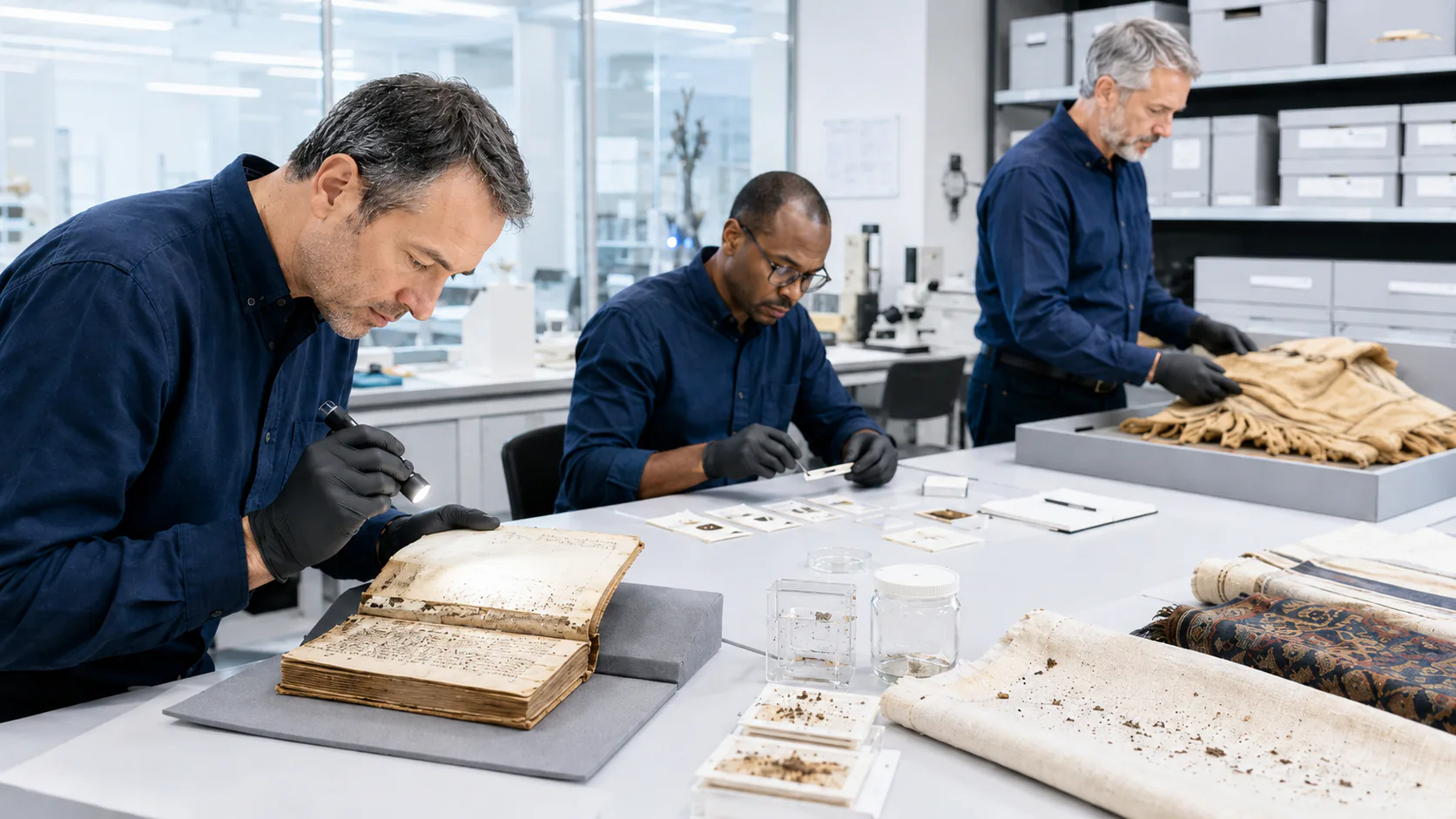
1. Understanding Pest Risk in Museum Collections
Integrated Pest Management, or IPM, is a structured approach to preventing and controlling pest damage in museums, archives and collection facilities.
It is not simply a method for eliminating insects after an infestation has occurred. An effective IPM programme combines risk assessment, preventive maintenance, housekeeping, exclusion, monitoring, pest identification, quarantine, targeted treatment and documentation into a continuous collection-care process.
The objective is to reduce the conditions that allow pests to enter, survive and reproduce while detecting activity early enough to prevent significant damage.
Collection vulnerability
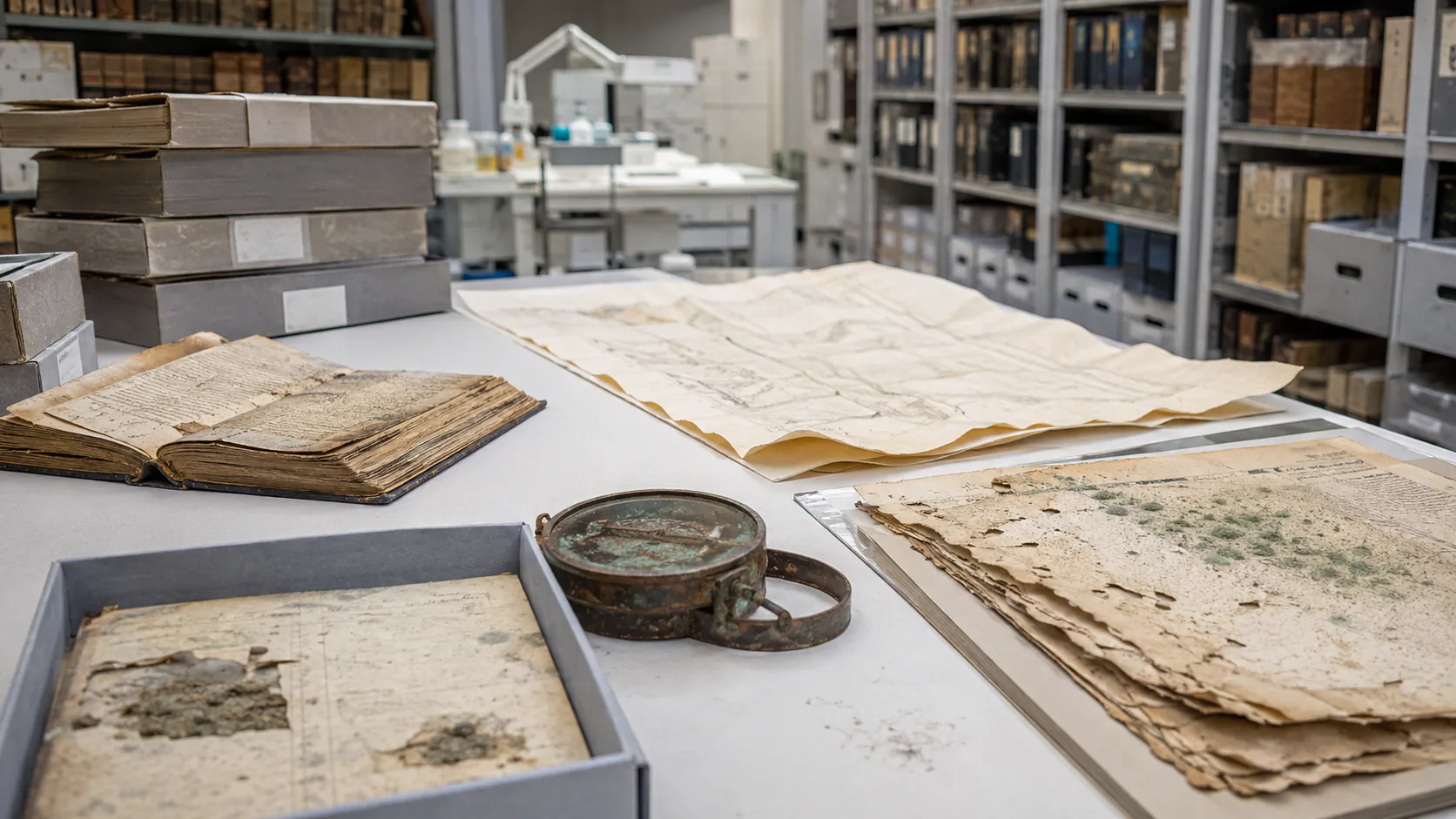
Pest risk varies considerably according to the materials present in a collection.
Organic materials can provide food or harbourage for different pest species. Particularly vulnerable materials may include:
- wool, fur, feathers and other animal-derived materials;
- leather and parchment;
- paper, board and certain bookbinding materials;
- starch-based adhesives and sizing materials;
- wood and plant-derived objects;
- botanical and natural-history specimens;
- taxidermy collections;
- organic residues, dust and debris associated with stored objects.
Risk should therefore be assessed by considering both the susceptibility of the collection and the conditions surrounding it.
A museum containing extensive textile, natural-history or ethnographic collections, for example, may require a different monitoring strategy from a facility dominated by inorganic archaeological materials.
Pest risk is also a building-management issue
Collections do not exist independently of their environment.
Pests may enter through:
- poorly sealed doors and windows;
- cracks and service penetrations;
- loading and receiving areas;
- vents and drains;
- packaging materials;
- incoming loans or acquisitions;
- food-service areas;
- vegetation and nesting sites close to the building.
For this reason, an IPM programme should consider the entire path from the exterior environment to the collection object.
2. Prevention: Reduce Access, Food and Harbourage
The most effective pest treatment is often the treatment that never becomes necessary.
Preventive measures should therefore form the foundation of museum IPM.
Building exclusion
The building acts as the first protective barrier around the collection.
Doors, windows, wall junctions, service penetrations and other potential entry points should be inspected and maintained so that pest access is reduced as far as practicable.
Particular attention should be given to:
- door seals and thresholds;
- window frames;
- cracks and construction joints;
- pipe and cable penetrations;
- ventilation openings;
- loading docks and receiving areas;
- drains and utility spaces.
Storage cabinets, cases, boxes and other enclosures provide additional layers of protection and should be selected and maintained according to collection risk.
Housekeeping
Dust, hair, dead insects, food residues and accumulated organic debris can provide nutrients or harbourage for collection pests.
Housekeeping within collection areas should therefore be treated as a preservation activity rather than routine cosmetic cleaning.
Cleaning programmes should include areas that are easily overlooked, such as:
- beneath shelving;
- behind storage units;
- corners and wall junctions;
- service voids;
- infrequently accessed storage areas;
- loading and unpacking spaces.
Food and beverages should be separated from collection storage and exhibition areas wherever possible, and spills or waste should be removed promptly.
Moisture and environmental conditions
Moisture can support mould, microorganisms and certain insect pests.
Water leakage, condensation, damp building materials and persistently humid microenvironments should therefore be investigated as part of pest prevention.
Environmental management within an IPM programme should not rely on a single universal temperature or relative-humidity target. Appropriate conditions depend on the materials present, local climate, building capability and the wider collection-care strategy.
The objective is to identify and correct environmental conditions that are contributing to pest activity.
3. Inspection and Quarantine of Incoming Materials
New acquisitions, returning loans, exhibition materials, packaging and other incoming objects can introduce pests into an otherwise well-managed collection.
A defined receiving and quarantine procedure reduces this risk.
A typical workflow may include:
Receive → Unpack → Inspect → Assess Risk → Quarantine if Required → Treat if Required → Release to Collection
Initial inspection
Incoming materials should be examined for evidence such as:
- live or dead insects;
- larvae or eggs;
- cast skins;
- webbing;
- frass;
- bore holes;
- grazing or surface losses;
- damaged packaging;
- mould or unusual organic residues.
Inspection should take place in a designated receiving or examination area where practical, rather than directly within primary collection storage.
Quarantine
Objects with uncertain history, visible pest evidence or elevated risk may require temporary isolation.
Quarantine prevents a localised problem from becoming a collection-wide infestation and provides time for further inspection, monitoring or treatment.
The duration and conditions of quarantine should be determined according to the suspected pest, object material, observed evidence and institutional procedure rather than by applying a single fixed period to every incoming object.
4. Monitoring and Pest Identification
Monitoring provides the evidence required to understand pest activity over time.
Without systematic monitoring, institutions may know that pests are present but have little information about where they originate, whether activity is increasing, or whether control measures are working.
Visual inspection
Regular examination of objects and collection spaces can identify:
- fresh damage;
- larvae and adults;
- frass;
- cast skins;
- webbing;
- exit holes;
- pest activity around windows, doors or drains;
- environmental or housekeeping conditions associated with infestation.
Visual inspection is especially important for vulnerable materials and locations with a history of pest activity.
Trapping
Sticky traps and, where appropriate, species-specific lures can support passive monitoring.
Their primary purpose is detection and trend analysis, not eradication.
Monitoring traps provide evidence. They do not replace exclusion, housekeeping or treatment.
Trap placement should be based on risk rather than an arbitrary uniform spacing rule.
Priority locations may include:
- entrances and loading areas;
- doors and windows;
- wall-floor junctions;
- drains and utility spaces;
- storage areas containing vulnerable materials;
- quarantine areas;
- known historical hotspots.
Each trap should have a unique identification reference so that findings can be linked to a specific location.
Pest identification
Finding an insect is only the beginning of the investigation.
Correct identification helps determine:
- whether the species is capable of damaging collections;
- which materials may be vulnerable;
- where the pest may be breeding;
- its life cycle and movement pattern;
- whether immediate treatment is required.
Records should, where possible, include the pest species or probable identification, life stage, number detected, date, location and associated collection materials.
5. Action Thresholds and Treatment Decisions
Not every insect found inside a museum represents the same level of risk.
An effective IPM programme establishes a rational basis for deciding when observations require intervention.
The decision should consider:
- pest species;
- life stage;
- quantity and frequency;
- location;
- proximity to vulnerable collections;
- evidence of active feeding or reproduction;
- previous activity in the same area;
- significance and sensitivity of the affected material.
A single incidental insect near an entrance may require a different response from larvae of a collection-damaging species discovered within a textile storage cabinet.
Action thresholds should therefore be risk-based and collection-specific.
The purpose of a threshold is not to tolerate damaging infestation. It is to ensure that the response is proportionate to the evidence and that resources are directed toward genuine collection risks.
6. Selecting an Appropriate Treatment Method
Treatment becomes necessary when monitoring and inspection confirm active infestation or when incoming material presents an unacceptable risk to the collection.
No single treatment method is suitable for every object.
Selection should consider four factors.
Pest
The target pest and its life stages influence the conditions required for effective treatment.
Material
Objects may contain combinations of paper, leather, wood, textiles, pigments, coatings, adhesives, metals or synthetic components. Treatment compatibility must therefore be assessed for the complete object rather than for one material in isolation.
Object size and configuration
A single book, a large textile, a storage cabinet and a palletised group of collection materials may require very different treatment configurations.
Required treatment scale
Institutions may need to treat:
- one object;
- a small batch;
- incoming acquisitions;
- an entire storage group;
- large or oversized objects.
Treatment capacity and process control should be matched to the project.
Non-chemical treatment approaches
Depending on the collection and target pest, museum IPM programmes may use methods such as:
- controlled low-temperature treatment;
- anoxic or low-oxygen treatment;
- controlled-atmosphere treatment;
- isolation and containment;
- cleaning and removal of pest residues;
- heat treatment for materials demonstrated to be suitable.
Each method has its own material limitations, process requirements and verification criteria.
Treatment should therefore follow a documented procedure with clearly defined acceptance conditions.
7. Documentation, Responsibilities and Programme Review
IPM becomes significantly more useful when individual observations are converted into long-term evidence.
A pest record may include:
- trap or inspection ID;
- room and location;
- inspection date;
- pest identification;
- quantity observed;
- life stage;
- associated collection or material;
- signs of damage;
- environmental observations;
- action taken;
- treatment performed;
- follow-up findings.
Over time, these records can reveal patterns that isolated observations cannot.
For example, repeated detections near one loading area may indicate a building-exclusion problem. Recurring activity inside a particular storage zone may justify closer inspection of vulnerable collections or storage furniture.
Map and analyse activity
Pest data can be plotted by location and compared over time to identify:
- recurring hotspots;
- seasonal patterns;
- routes of entry;
- areas affected by housekeeping or moisture problems;
- changes following corrective action.
The purpose of monitoring is therefore not merely to collect traps. It is to support better decisions.
Define responsibilities
A successful programme requires clear responsibility.
Depending on the institution, IPM may involve:
- conservators;
- collection managers;
- registrars;
- facility managers;
- housekeeping teams;
- exhibition staff;
- security personnel;
- contractors;
- external pest specialists.
One person or defined team should coordinate the programme so that monitoring, records and corrective actions remain consistent over time.
8. Planning an IPM Programme
Assess
Document the collection, building, known pest activity and areas of elevated risk.
Identify vulnerable materials, likely entry routes, previous infestations and operational practices that may support pest activity.
Plan
Define preventive measures, monitoring locations, inspection responsibilities, quarantine procedures, escalation criteria and available treatment methods.
Establish how findings will be recorded and who is responsible for action.
Monitor
Carry out visual inspections, review traps, document findings and investigate unusual activity.
Monitoring frequency should reflect collection vulnerability, previous pest history and institutional resources.
Review
Evaluate whether preventive measures and treatments are working.
Use monitoring records to modify trap placement, improve housekeeping, repair building defects, strengthen quarantine procedures or revise treatment plans.
IPM is therefore a cycle rather than a one-time project:
Assess → Plan → Monitor → Review → Improve
Frequently Asked Questions
What is integrated pest management in a museum?
Integrated Pest Management is a preventive, evidence-based approach to reducing pest risk in museum collections. It combines building maintenance, housekeeping, exclusion, monitoring, identification, quarantine, targeted treatment and documentation rather than relying primarily on routine pesticide application.
What are common pests found in museum collections?
The relevant species depend on the collection and local environment. Collection-damaging pests may include clothes moths, carpet beetles and other dermestids, silverfish, booklice, wood-boring insects and certain rodents. Correct identification is important because not every insect found inside a museum presents a direct collection risk.
Should incoming museum objects be quarantined?
Incoming acquisitions, loans and returning objects should be inspected before entering primary collection areas. Materials showing signs of infestation or presenting an elevated risk may require isolation, monitoring or treatment before release into the collection.
How should museums monitor insect pests?
Monitoring normally combines visual inspection with strategically positioned traps. Trap locations should reflect entry routes, vulnerable collection areas, previous pest history and known hotspots. Findings should be recorded consistently so that trends can be evaluated over time.
How often should pest traps be checked?
There is no single inspection interval appropriate for every museum. Frequency should reflect pest risk, collection sensitivity, seasonal activity, previous findings and staff capacity. Newly established programmes or active problem areas may require closer observation than stable, historically low-risk areas.
When does a museum need pest treatment?
Treatment should be considered when inspection and monitoring indicate active infestation or when incoming objects present an unacceptable risk. The response should take into account pest species, activity level, location, susceptible materials and the significance of the collection.
Can nitrogen anoxia be used for museum pest control?
Controlled low-oxygen or nitrogen-anoxia treatment is an established non-chemical approach for controlling many museum insect pests. Treatment suitability and process conditions must be determined according to the target pest, materials, temperature, oxygen level, exposure period and treatment configuration.
Can freezing be used for infested museum collections?
Low-temperature treatment is widely used for suitable museum materials, but not every object can be frozen safely. Material composition, construction, condition and previous treatments should be assessed before selecting the method.
Does integrated pest management eliminate the use of pesticides?
Not necessarily. IPM aims to reduce unnecessary chemical use by prioritising prevention, exclusion, monitoring and appropriately selected control methods. Where chemical treatment is considered, collection safety, human exposure, environmental impact and effectiveness should all form part of the decision.
What records should a museum IPM programme maintain?
Useful records include inspection dates, trap locations, pest identifications, quantities detected, affected collections, environmental observations, corrective actions, treatments and follow-up results. Consistent records allow institutions to identify patterns and evaluate whether their IPM programme is working.
Planning a Museum Pest-Control Project?
Pest treatment should be part of a broader collection-care strategy rather than an isolated intervention.
For projects involving active infestation, quarantine facilities, controlled-atmosphere treatment or collection-scale freezing, Sinoalta can assist with treatment workflow, system configuration, monitoring requirements and project-specific implementation.
Explore Pest Control Solutions →
Selected Technical References
- U.S. National Park Service, Museum Handbook, Part I — Chapter 5: Biological Infestations
- Canadian Conservation Institute, Agent of Deterioration: Pests
- Canadian Conservation Institute, Preventing Infestations: Control Strategies and Detection Methods
- MuseumPests / Integrated Pest Management Working Group, professional IPM resources for heritage collections
Scope and review note: Written by Stella Wynn for Sinoalta. Sinoalta is responsible for this institutional content. Issued and most recently reviewed in August 2026. It summarizes selected conservation sources for project planning and does not replace object-specific assessment, qualified conservation advice, applicable safety requirements or project validation.
 Guide
Guide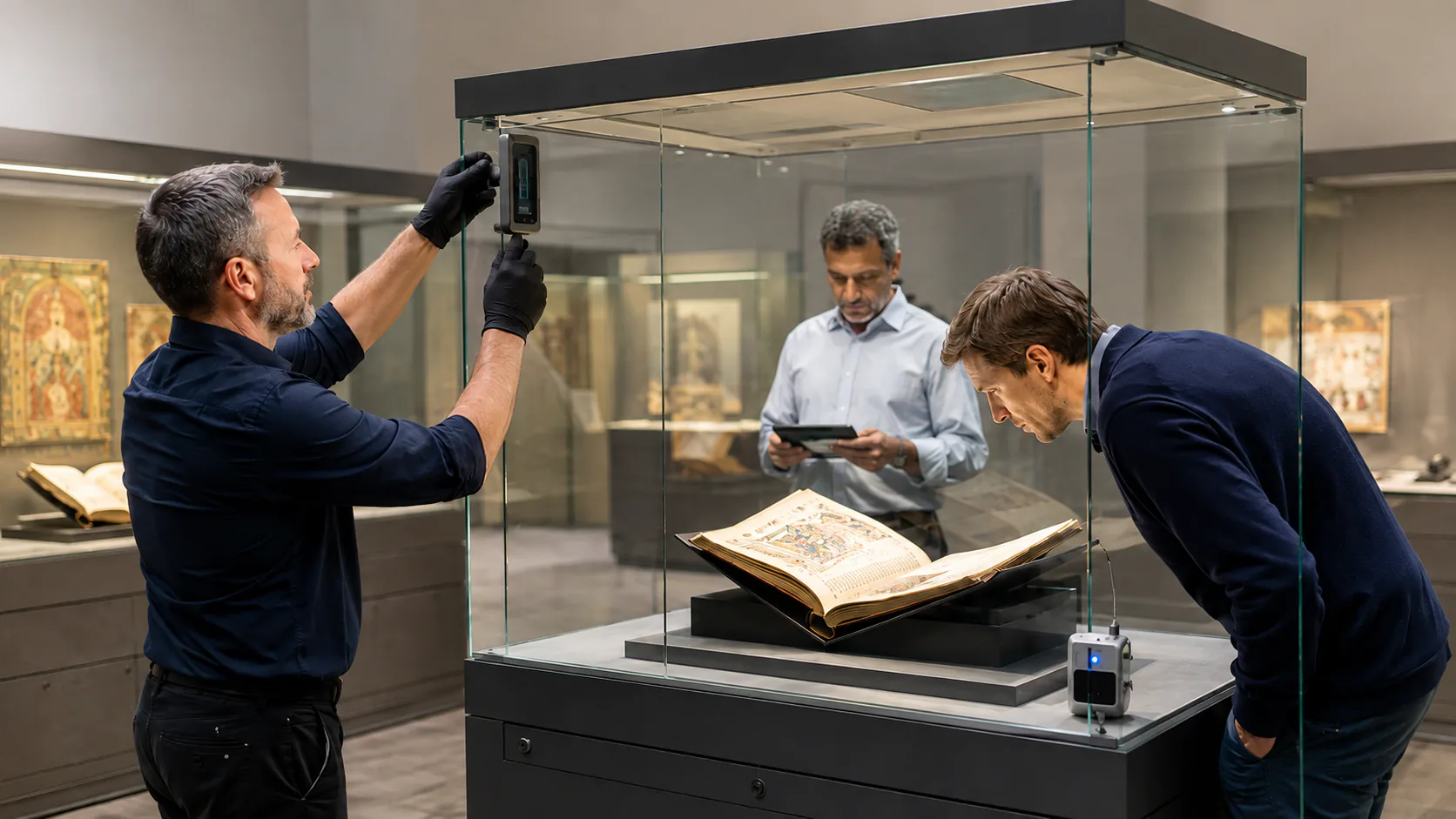 Guide
Guide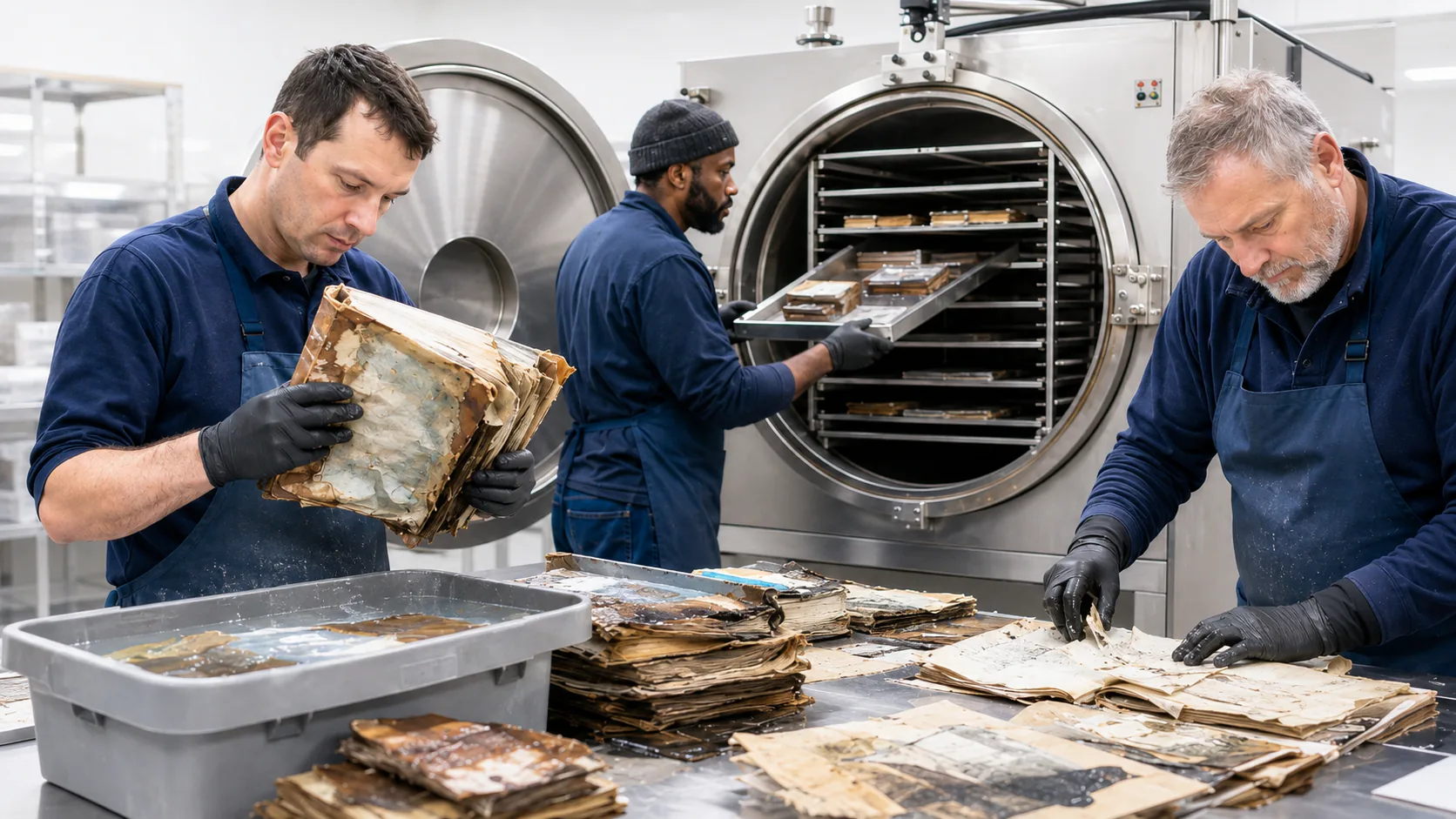 Guide
Guide