Collection Preservation
Museum & Archive
Preservation Solutions
Begin with what the institution holds, the condition or threat that requires attention, and the environment in which the collection must be stored, treated or displayed. This hub helps project teams frame those requirements before product-level configuration begins.
Review the Planning PathwayThree-Step Collection Decision Path
Choose a starting point for your preservation project
- 1
Collection
Identify the material, object type and significance of what must be protected.
- 2
Risk
Define the active condition, damage mechanism or operational threat that drives the project.
- 3
Environment
Confirm the storage, treatment or display setting and the conditions it must support.
Use the pathway that best reflects your starting question, then review the specialist page before discussing equipment configuration.
By Material / Object
Start with the collection itself
Use this route when material behavior, object construction or handling needs define the project. Each specialist page explains the planning questions relevant to that collection family.
 01
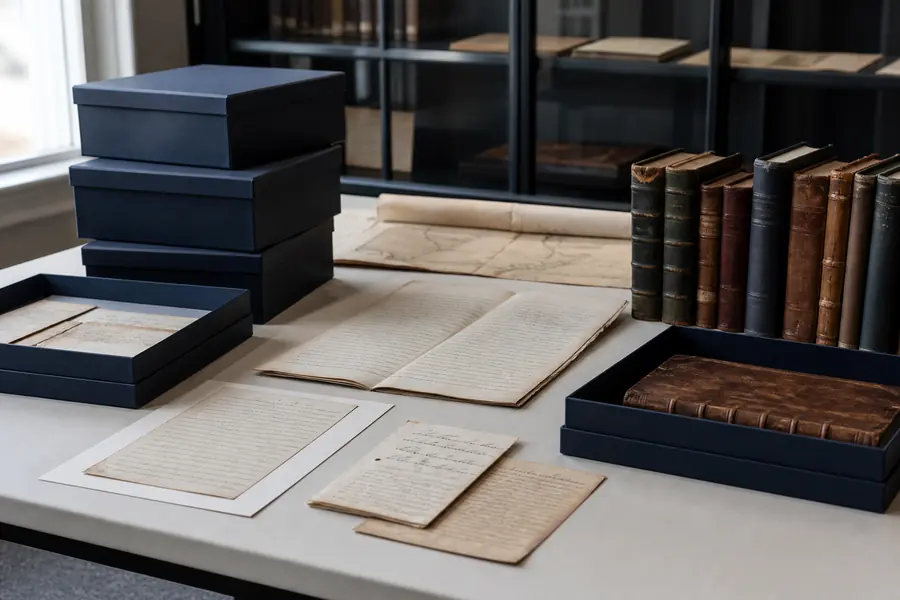
01Archives, Books & Documents
Frame preventive care, handling, housing and coordinated preservation priorities for documentary collections.
 02
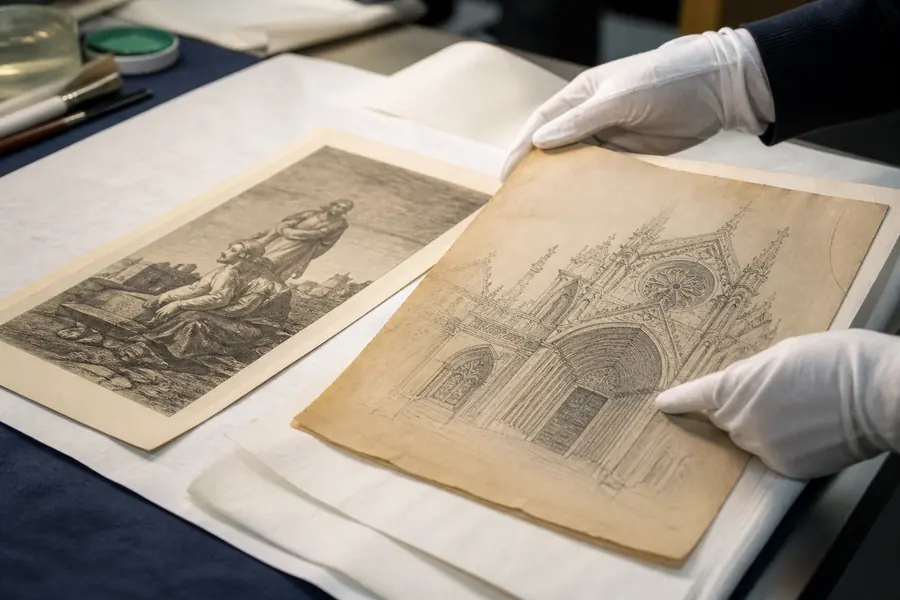
02Works on Paper & East Asian Painting
Plan around paper condition, format, media sensitivity, examination needs and the intended treatment workflow.
 03
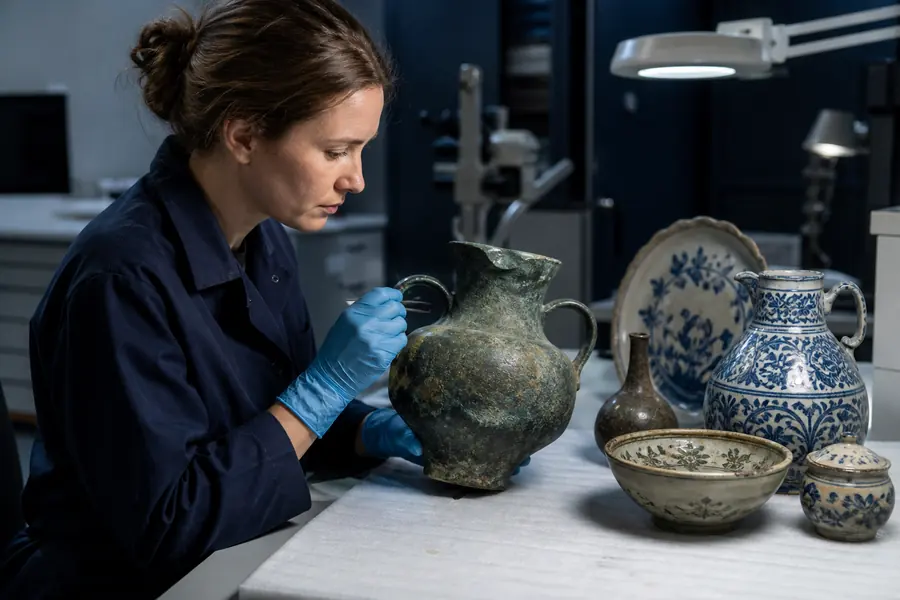
03Metal & Ceramic Artifacts
Define laboratory, extraction, cleaning and workstation requirements from material condition and treatment scope.
 04
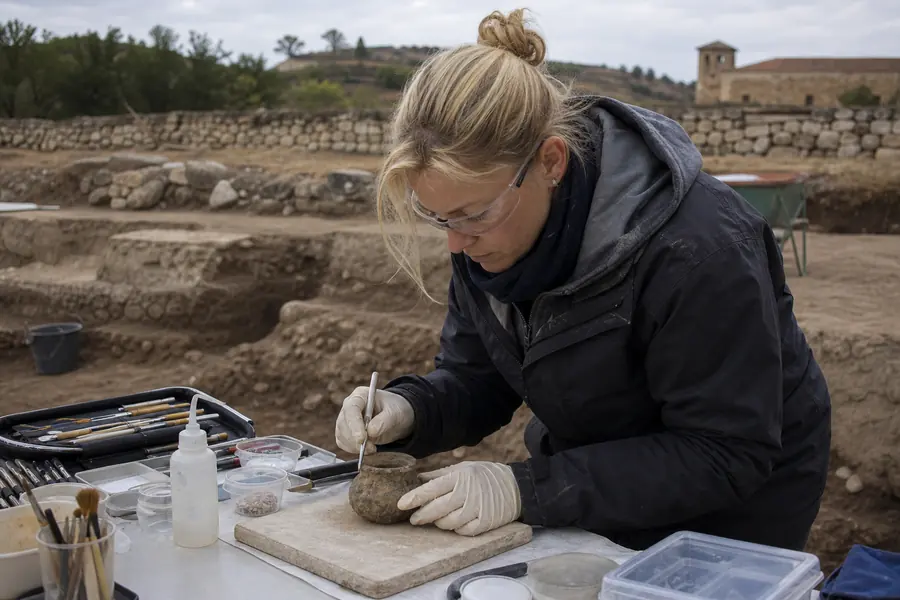
04Archaeological Finds & Field Conservation
Coordinate documentation, temporary stabilization, field facilities, packing and transfer from excavation to laboratory.
By Risk / Damage
Respond to a confirmed threat or incident
Use this route when the immediate priority is controlling an active risk, stabilizing affected material or establishing a repeatable response workflow.
 05
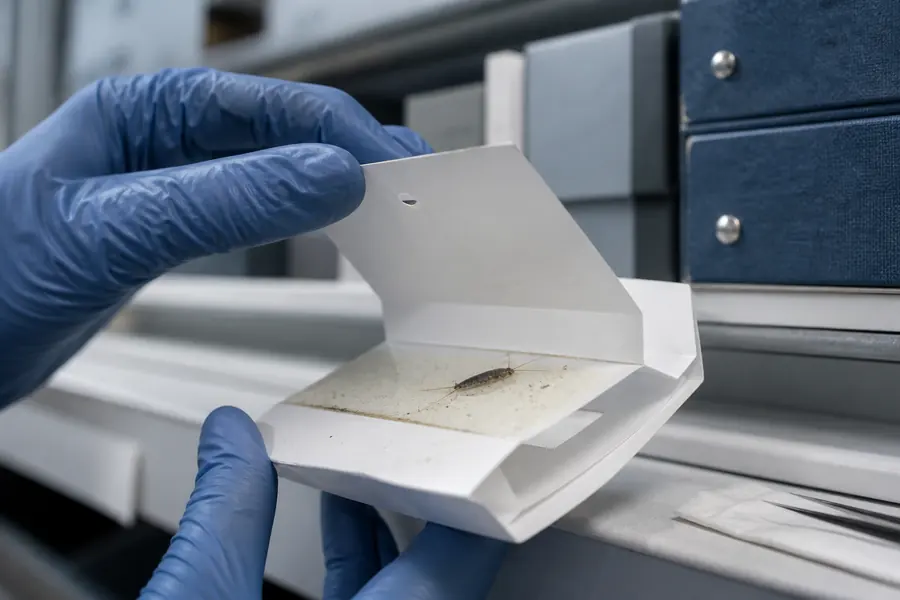
05Museum & Archive Pest Control
Connect evidence, quarantine capacity, material compatibility and institutional workflow to an appropriate response plan.
 06
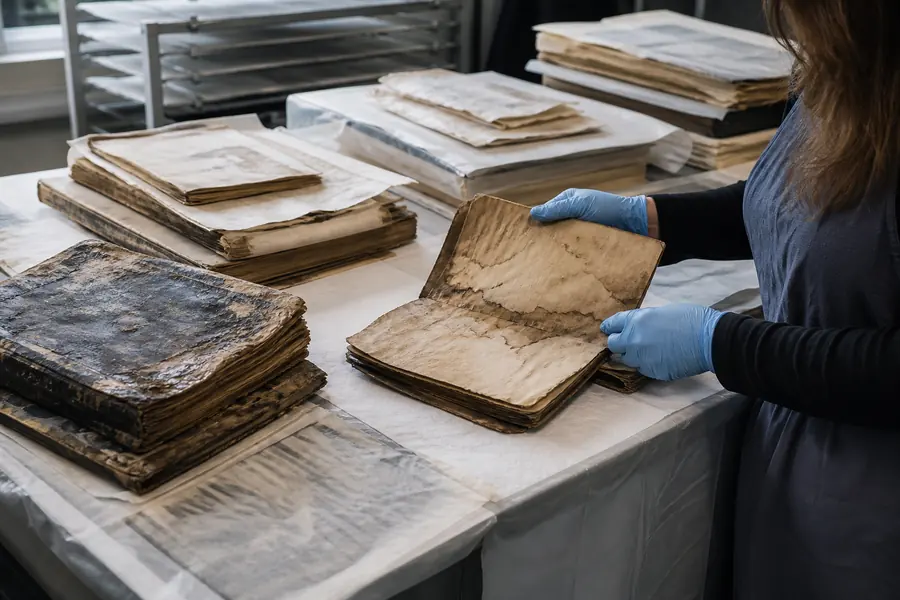
06Water-Damaged Books & Archives Recovery
Plan triage, stabilization, capacity and recovery sequencing around the incident scale and collection condition.
 07
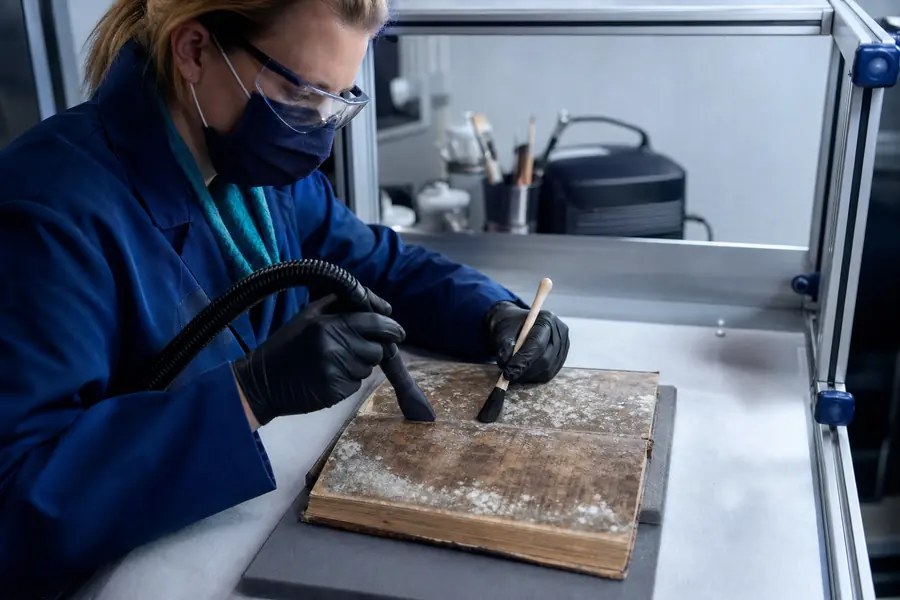
07Collection Dust, Mold & Decontamination
Define containment, operator protection, material handling and throughput before selecting a cleaning approach.
By Preservation Environment
Shape the conditions around the collection
Use this route when room planning, enclosure performance, access, monitoring or long-term operating conditions are the main design questions.
 08
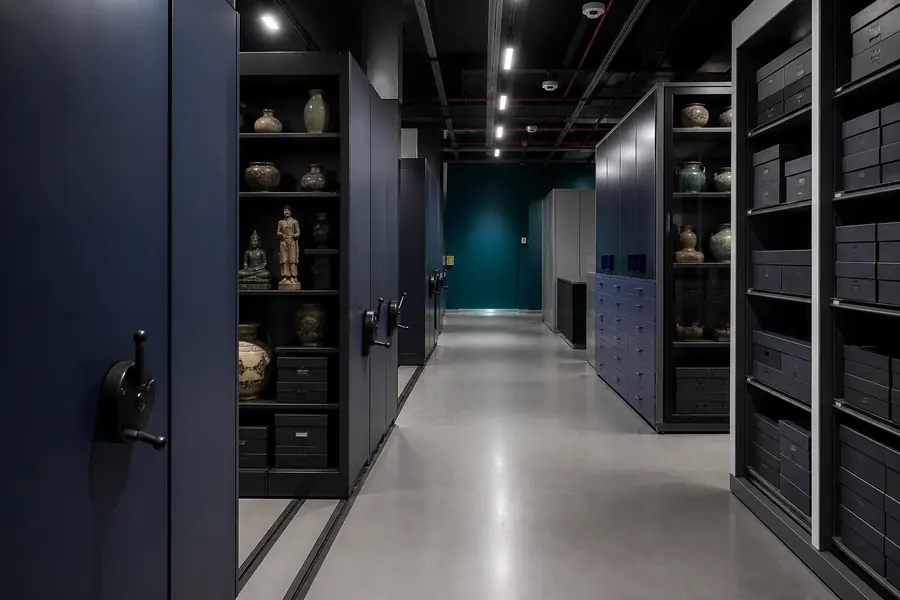
08Museum Storage Planning
Align collection growth, capacity, access routes, handling frequency and room boundaries with a workable storage plan.
 09
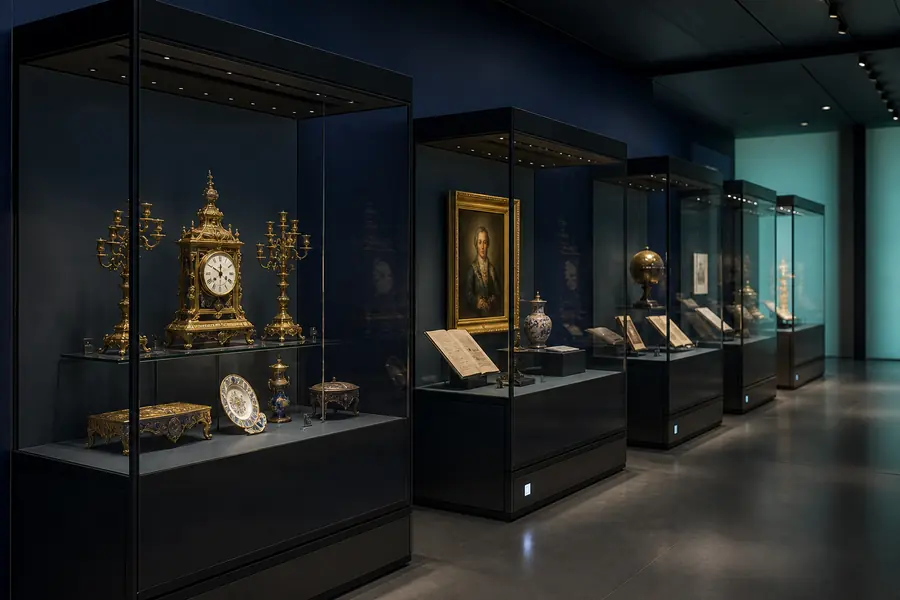
09Display Case Microclimate Planning
Evaluate object sensitivity, enclosure airtightness, gallery conditions, access and monitoring as one operating system.
How a Preservation Project Is Planned
Move from requirements to a reviewable system
The equipment decision comes after the collection, workflow and site constraints are understood. This sequence keeps the discussion tied to the institution's actual operating conditions.
- 01
Assess
Clarify collection type, condition, project scale, priorities and the result the institution needs to achieve.
- 02
Plan the Workflow
Map spaces, handling steps, operators, throughput and interfaces with existing facilities or procedures.
- 03
Configure the Solution
Review suitable system families, capacity, utilities, integration points and project-specific options.
- 04
Verify & Support
Agree on documentation, acceptance needs, commissioning, training and the support plan before delivery.
Individual solution pages explain their own planning logic. Product specifications and performance commitments are confirmed during project review, not inferred from this overview.
Discuss Your Requirements
Start with the collection and risk—not a model number.
Tell us what must be protected, the challenge you are facing, the space and services available, and the intended workflow. Our team can then direct the conversation to the appropriate pathway and configuration review.