Paper Loss & Weakness
Tears, losses, brittleness, and embrittlement can compromise structural integrity and handling safety.
Specialist Conservation Solutions
Configure object-level treatment workflows for prints, drawings, manuscripts, calligraphy, scrolls, and East Asian paintings—from examination and media testing to wet treatment, leafcasting, drying, flattening, and mounting.
Preservation Challenges
Plan each intervention around fiber condition, media sensitivity, layered construction, dimensional response, and the intended conservation outcome.
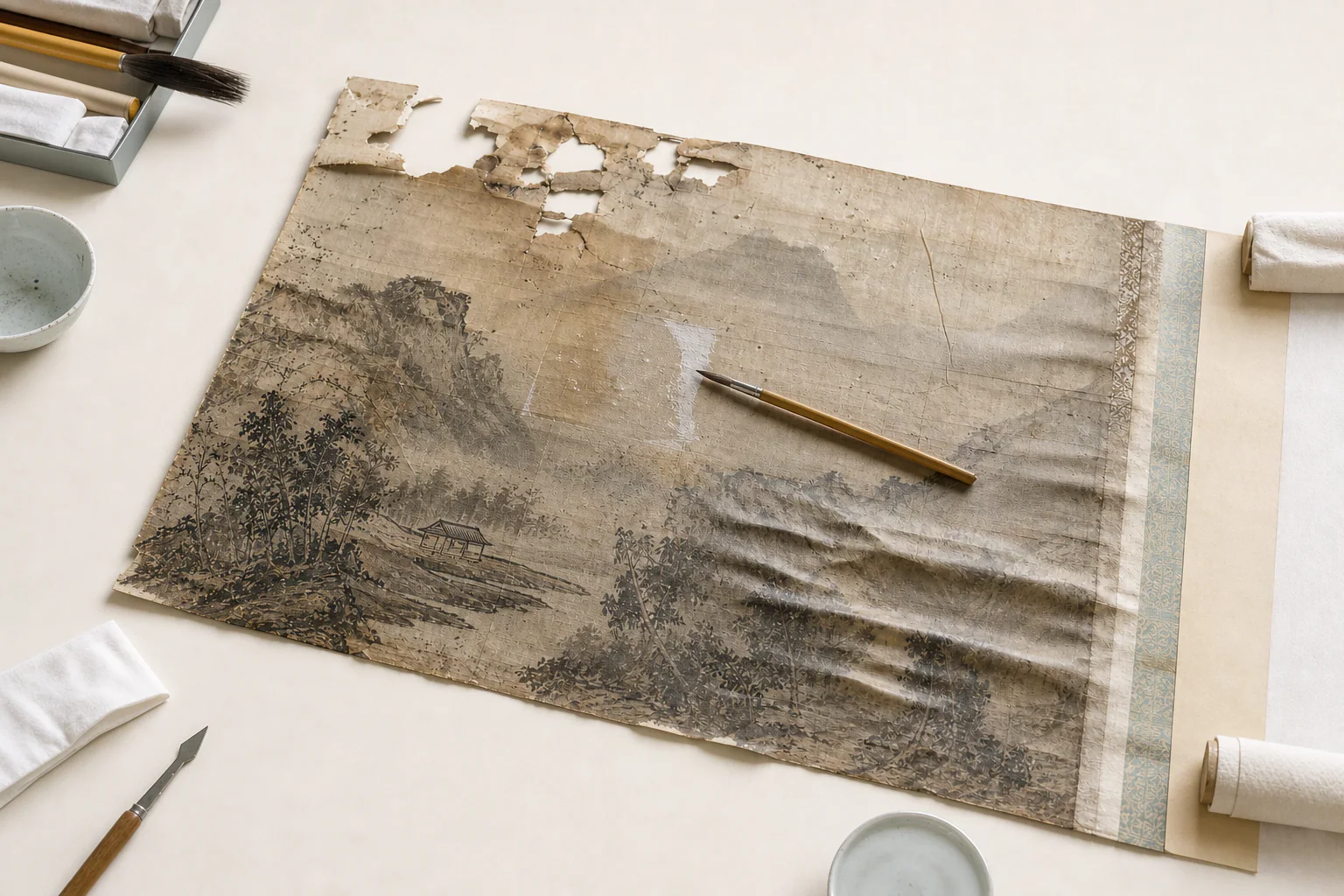
Tears, losses, brittleness, and embrittlement can compromise structural integrity and handling safety.
Washing, immersion, and dyeing require testing to manage media movement and distortion.
Drying rate, support, restraint, and pressure affect dimensional stability and surface condition.
East Asian painting and book mounting require controlled alignment, tension, drying, and finishing.
Recommended Systems
Coordinate equipment for compatible wet treatment, paper-loss repair, controlled drying and flattening, and specialist mounting practice.
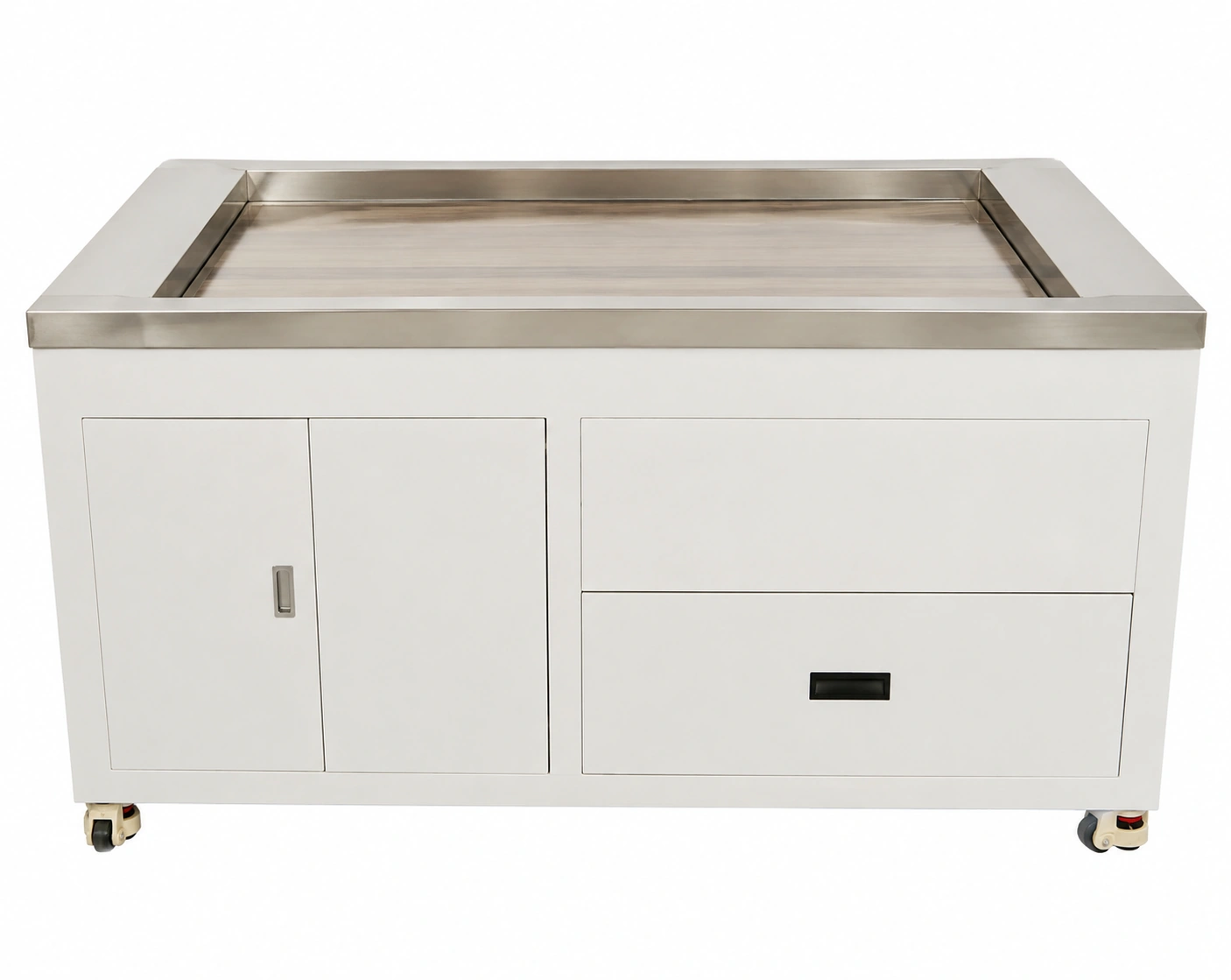
Supports paper-loss infill using prepared pulp within a conservator-defined repair workflow.
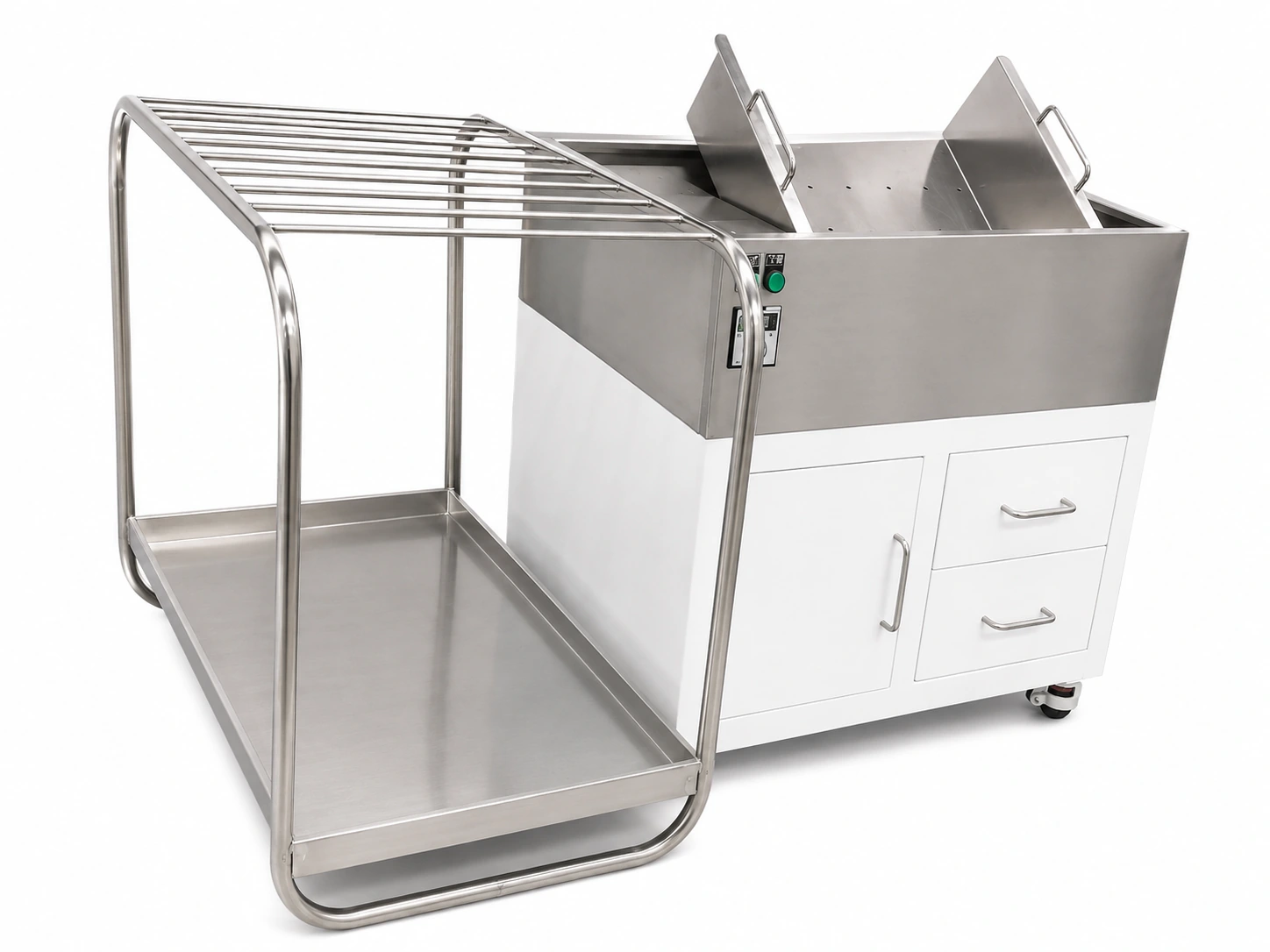
Purpose-built support for selected immersion, washing, dyeing, and controlled wet-treatment workflows.
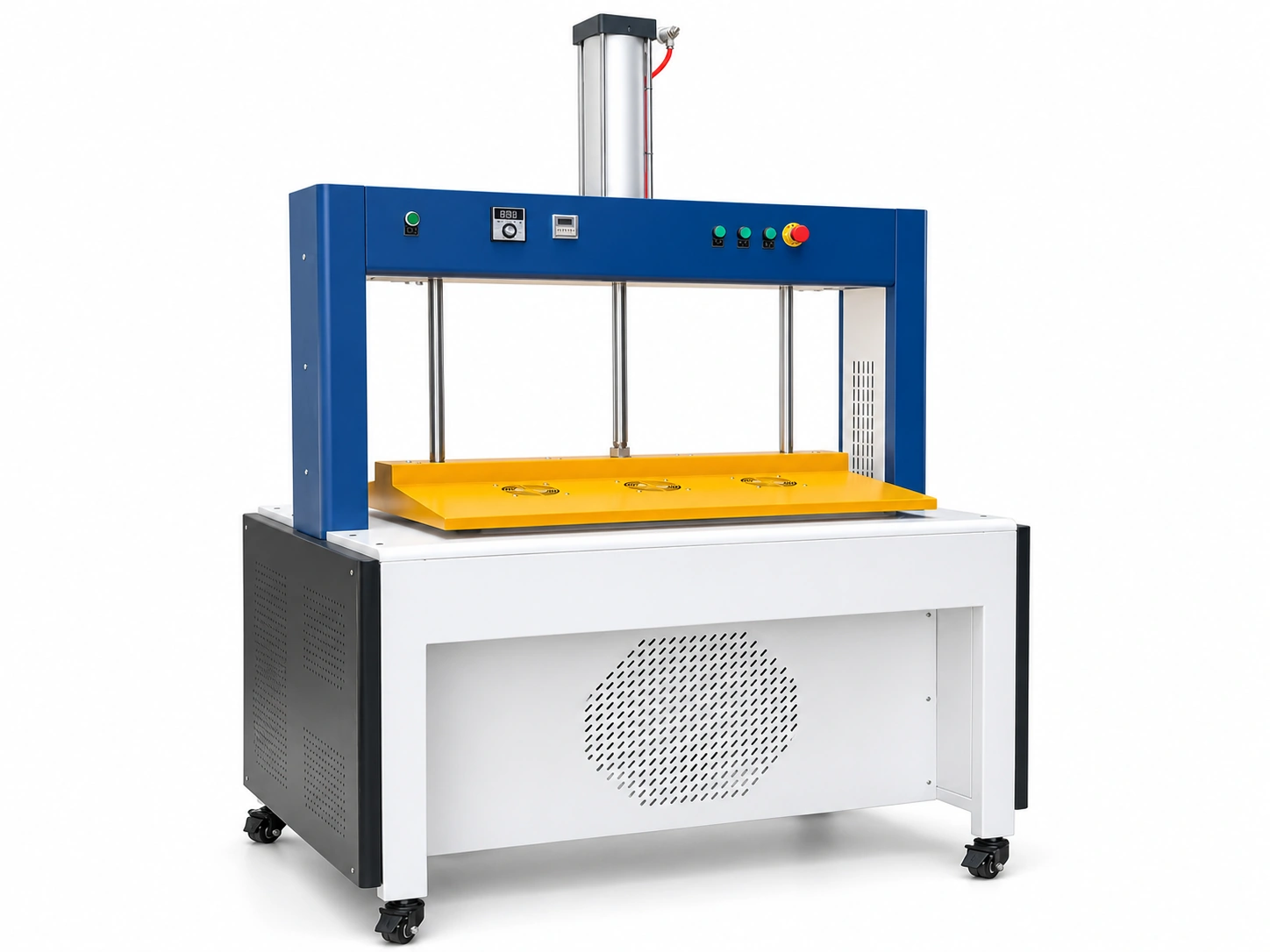
Controlled support for drying and flattening suitable paper, books, and treated materials.
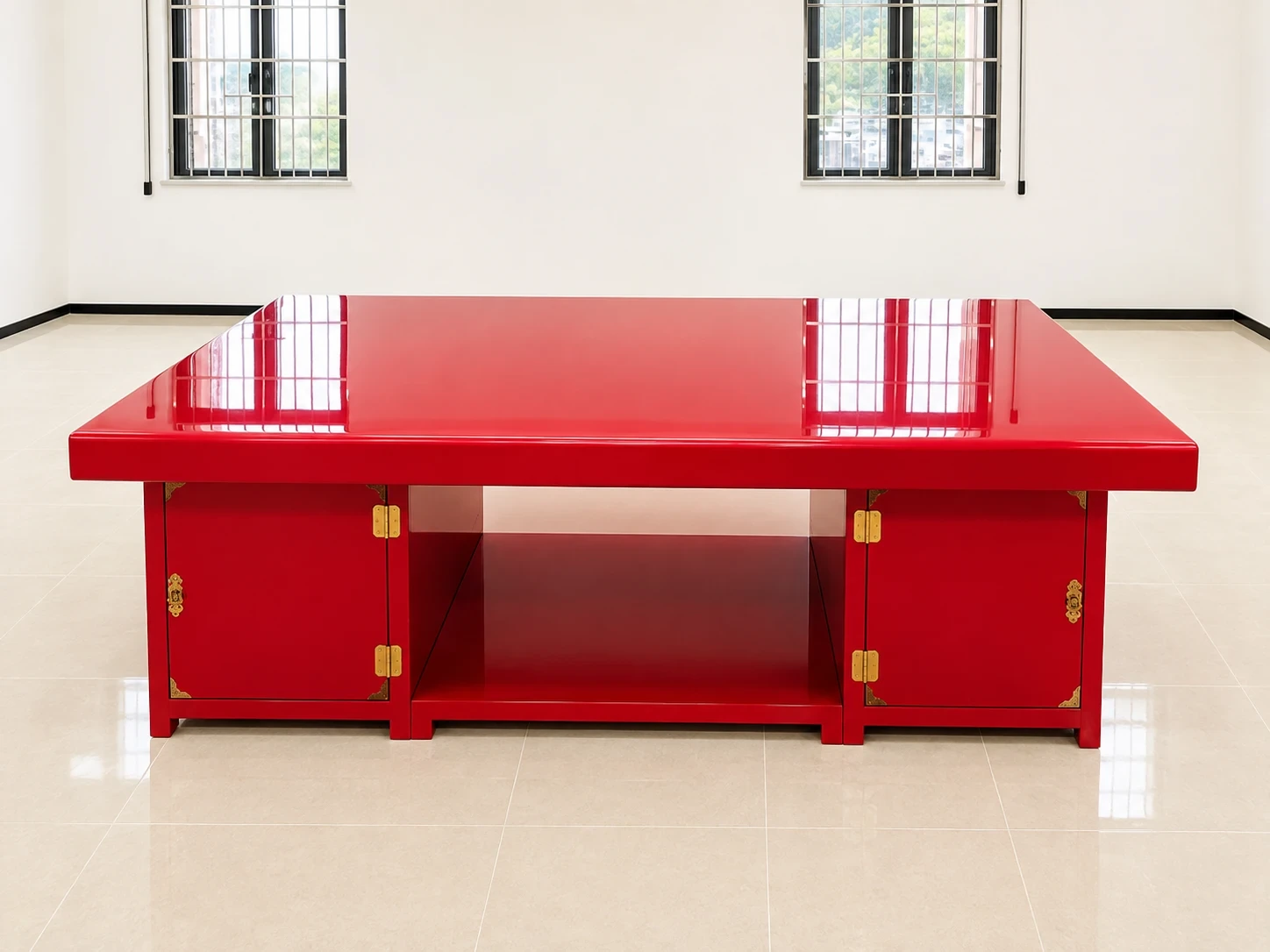
A dedicated work surface supporting traditional mounting, alignment, repair, and finishing workflows.
Typical Applications
Supporting specialist spaces for examination, treatment, repair, drying, mounting, and documentation.
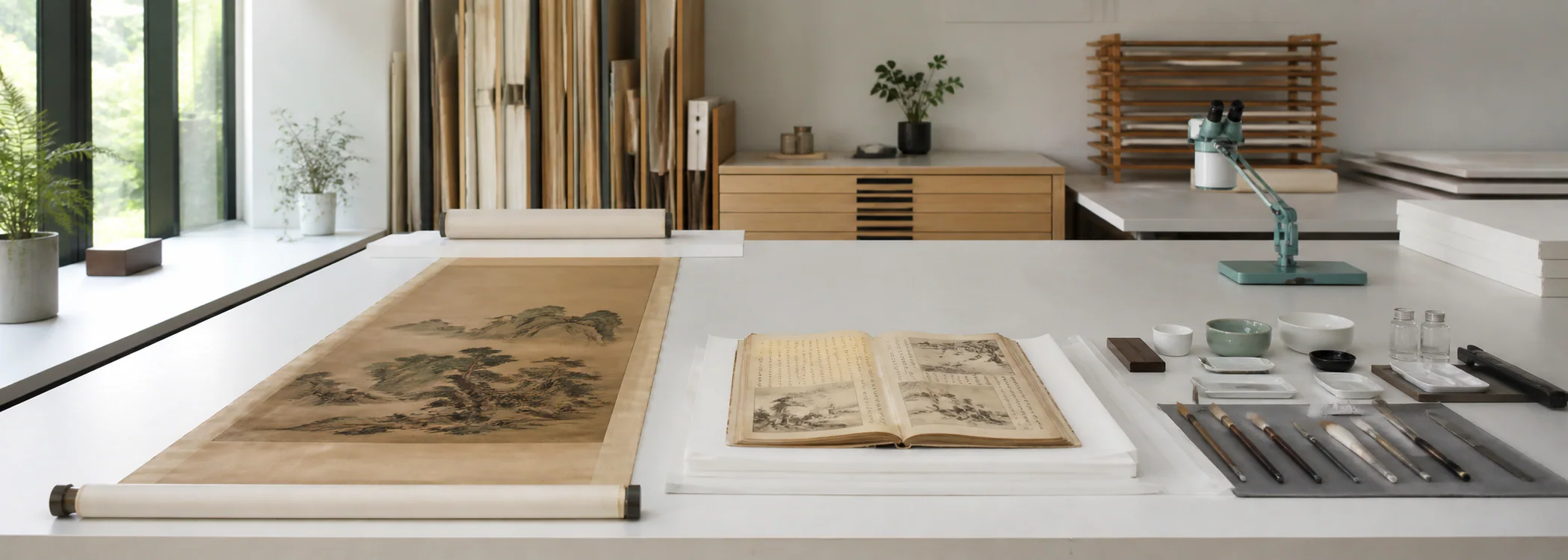
Integrated spaces supporting examination, treatment, repair, drying, and documentation.
Specialist workspaces for private, institutional, and research-based conservation.
Collection treatment areas supporting exhibition, storage, research, and preventive care.
Workflows for scrolls, paintings, calligraphy, books, and mounting traditions.
How It Works
Examine condition, paper, media, structure, previous work, risks, and intended outcome.
Choose suitable wet treatment, repair, leafcasting, drying, flattening, or mounting methods.
Carry out approved treatment, repair, drying, and flattening under controlled conditions.
Complete finishing, mounting, documentation, and preparation for storage or display.
Resources
Assessment and workflow considerations before aqueous treatment.
Explore Guides →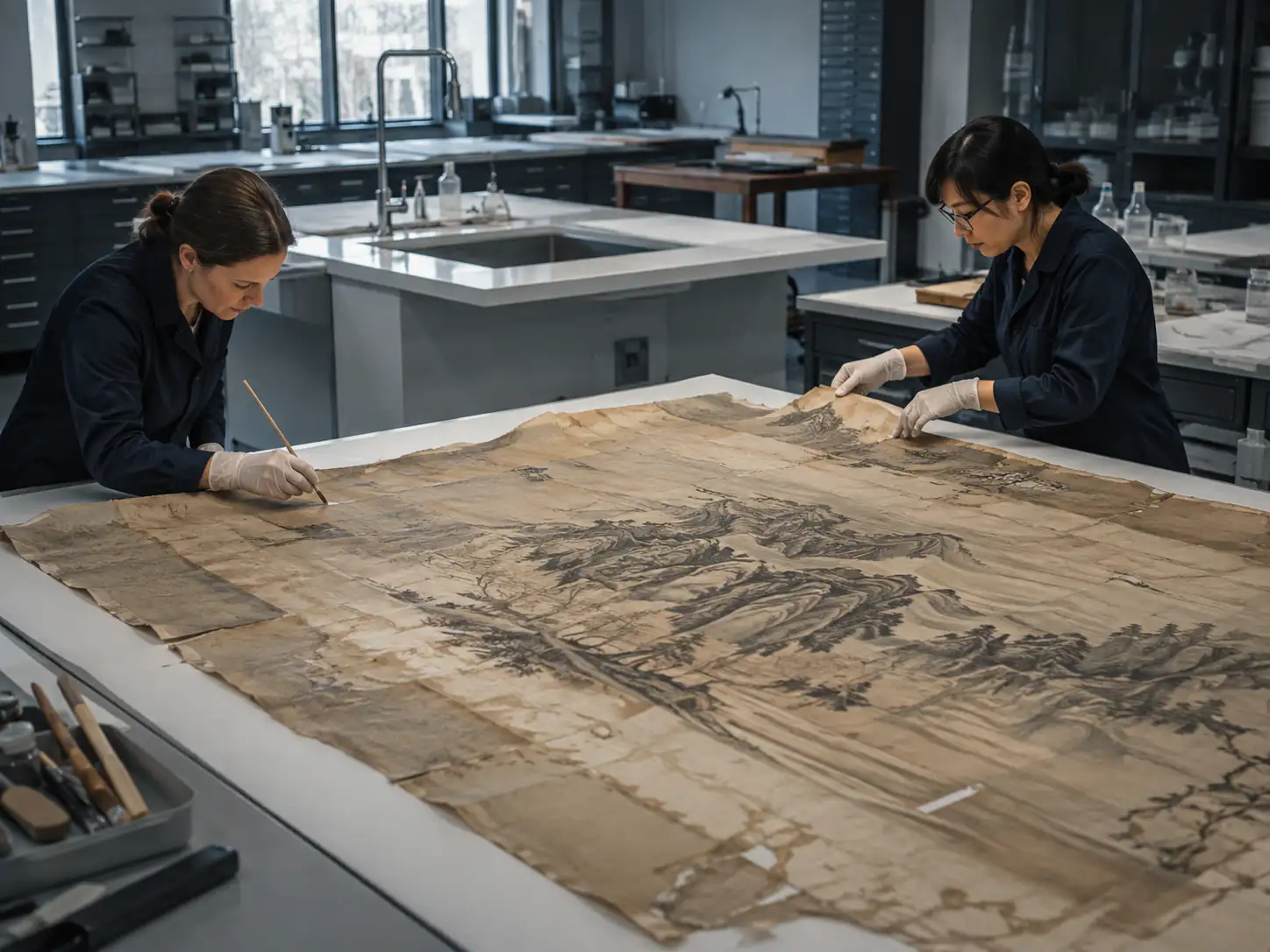
Review available planning and documentation resources.
Explore Downloads →
Watch the published Sinoalta introduction to an automated paper-treatment system.
Watch on YouTube →
Frequently Asked Questions
East Asian painting conservation addresses layered structures, mounting formats, traditional papers and silks, adhesives, and culturally specific remounting practices. Scrolls, screens, albums, and calligraphy may require different handling, wet-treatment, drying, and tension-control decisions from unmounted Western prints or drawings. Equipment can support the workflow, but material knowledge and trained conservation judgment determine the treatment. Historic mounts should not be removed or replaced automatically.
Conservators test representative areas to understand whether inks, pigments, dyes, coatings, adhesives, or previous repairs may move, bleed, change gloss, or stain during moisture exposure. Findings are considered with paper condition, treatment purpose, application method, contact time, and drying plan. A favorable spot test does not guarantee that full immersion is appropriate; sensitive or unevenly bound media may require localized, reduced-moisture, or non-aqueous alternatives.
Leafcasting is appropriate when compatible pulp can fill losses in a sufficiently stable, wet-treatable paper support and the repair supports the conservation objective. Fiber choice, pulp color, sheet condition, media stability, loss pattern, suction, drying, and finishing all affect the result. It may be unsuitable for water-sensitive media, coated papers, highly fragile sheets, or objects whose structure and significance call for a more localized repair.
Cockling is managed through a planned transition from wet treatment to supported drying, flattening, and conditioning. Conservators consider fiber direction, sheet thickness, media, moisture distribution, drying rate, support materials, restraint, pressure, and the object’s original surface character. The aim is stable, appropriate planar form—not maximum flatness. Textured, embossed, layered, or tension-sensitive works may need modified methods that preserve intended dimensional qualities.
East Asian painting mounting can use dedicated worktables, immersion or washing support, controlled drying and flattening equipment, and spaces for alignment, lining, assembly, and finishing. The correct configuration depends on format, scale, studio practice, materials, utilities, and movement between wet and dry stages. Equipment supports trained practitioners; it does not prescribe adhesive recipes, drying conditions, or mounting decisions, which must be established for the specific object and tradition.
Paper Conservation
Share the materials, treatment methods, volume, laboratory conditions, and project goals to identify the appropriate systems.