
Particulate Contamination
Dust and debris accelerate deterioration and can carry embedded pollutants into storage and treatment areas.
Preservation Solutions
Comprehensive workflows for dust and particulate removal, mold-risk management, controlled decontamination, safer handling, and cleaner collection environments.
Preservation Challenges
Match the contamination, material sensitivity, operator-safety requirements, collection volume, and facility conditions.
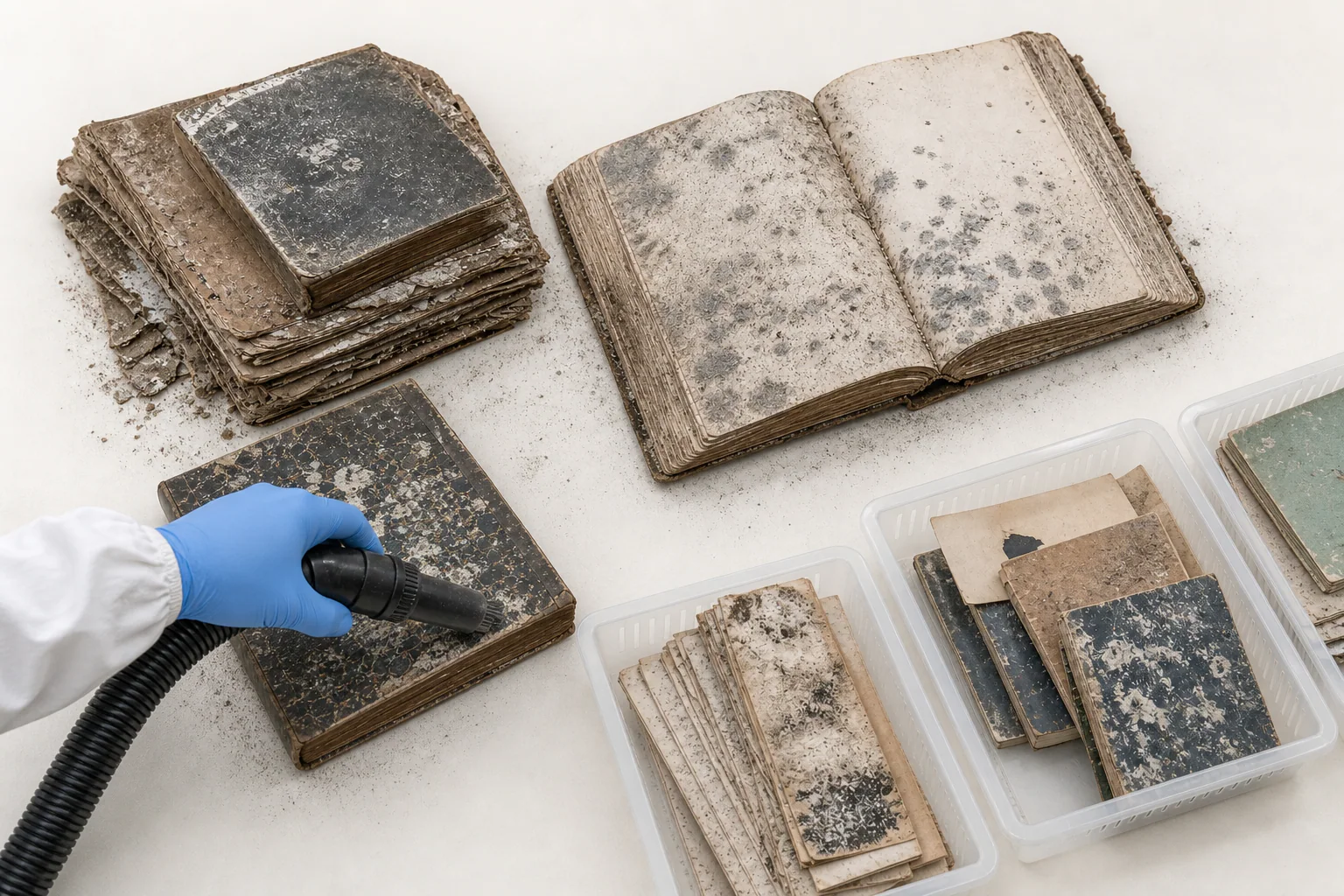
Dust and debris accelerate deterioration and can carry embedded pollutants into storage and treatment areas.
Mold, spores, and bacteria threaten collections and people, especially where moisture and ventilation are poorly controlled.
Airborne contaminants and unsafe handling conditions can increase exposure risks during treatment.
Different collection volumes and risks require coordinated intake, cleaning, treatment, verification, and release workflows.
Recommended Systems
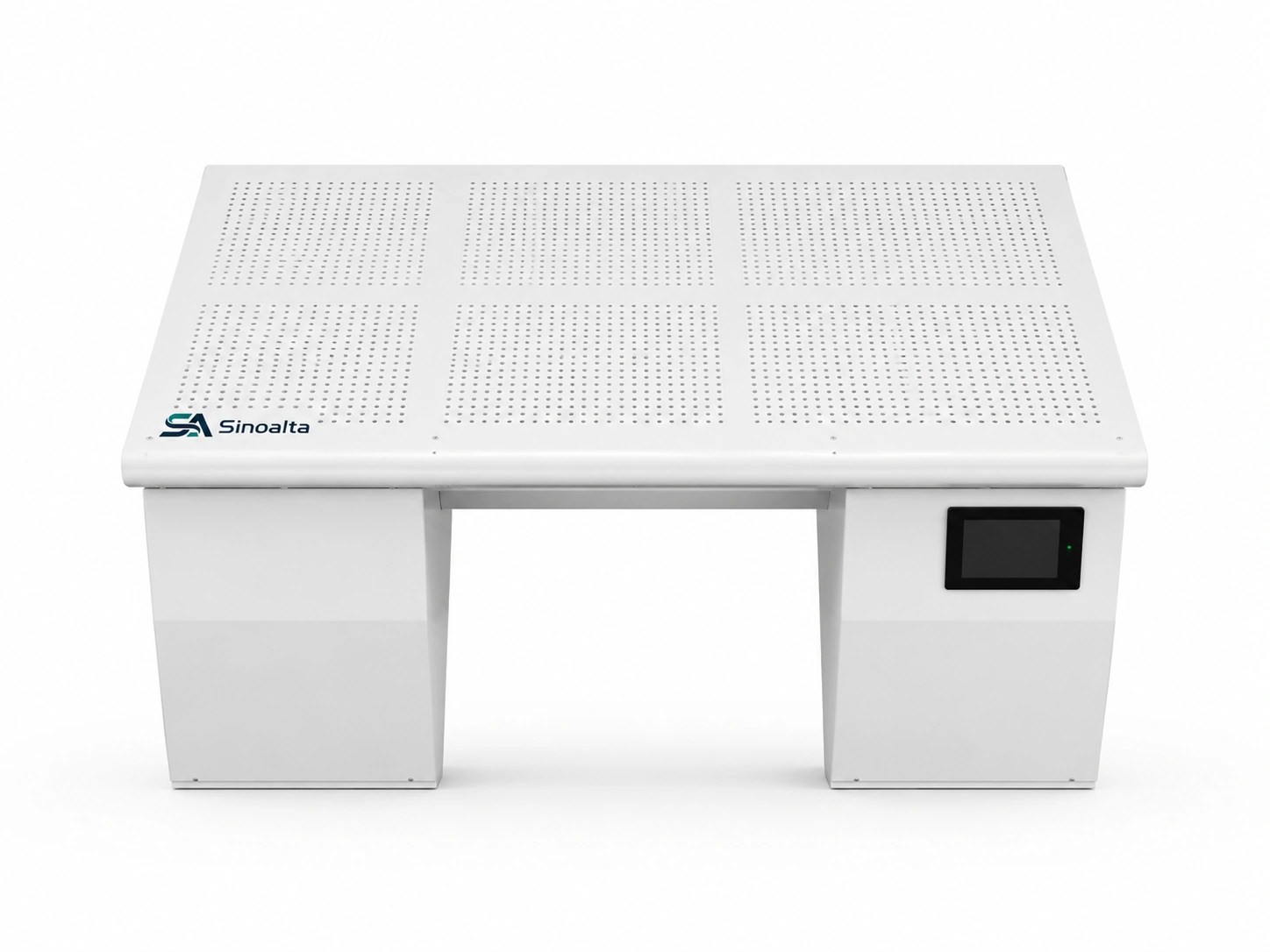
HEPA-filtered airflow supports controlled dry cleaning, brushing, and localized particulate removal.
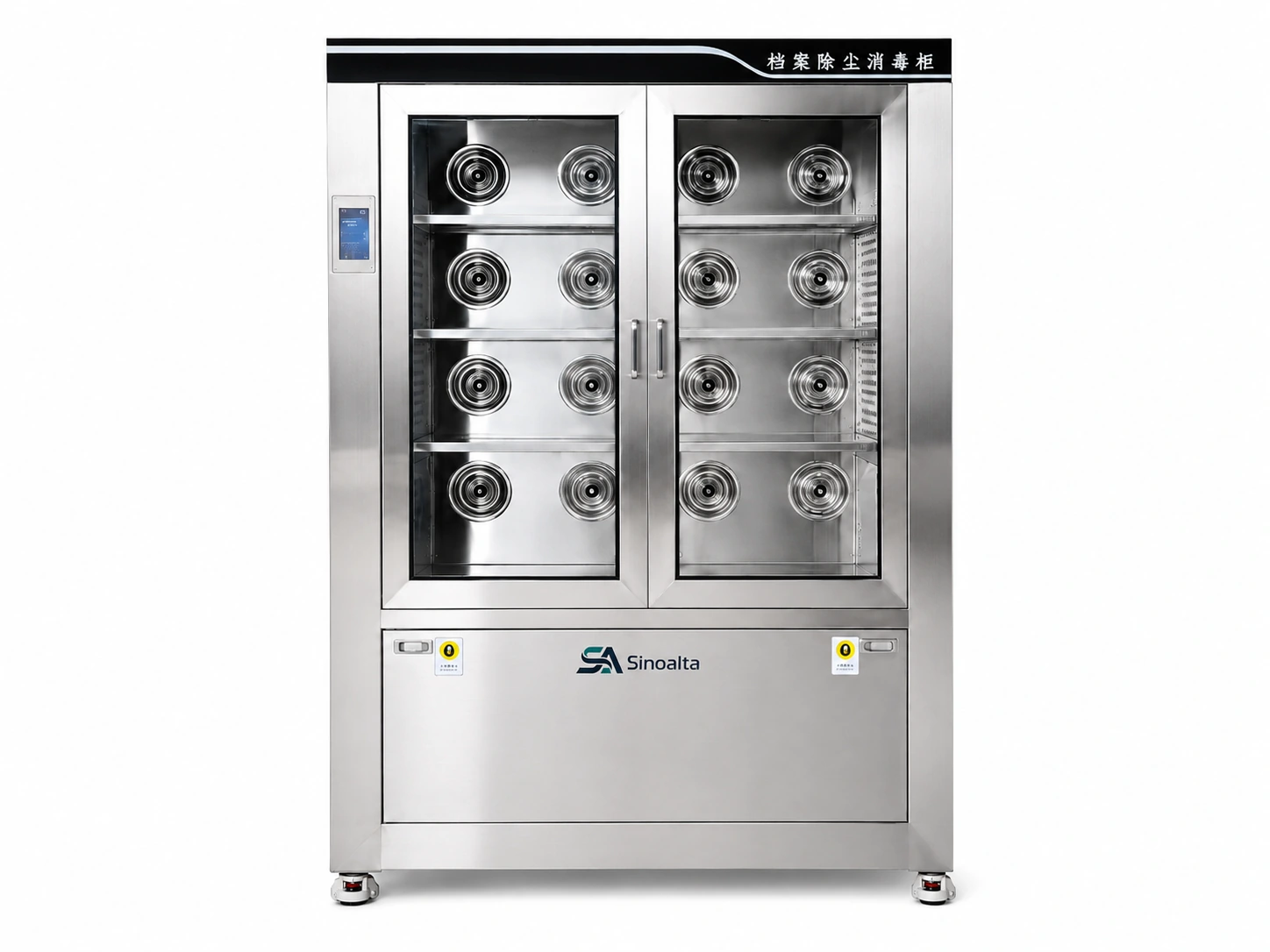
Batch dust-control configurations support larger volumes of books, documents, boxes, and collection materials.
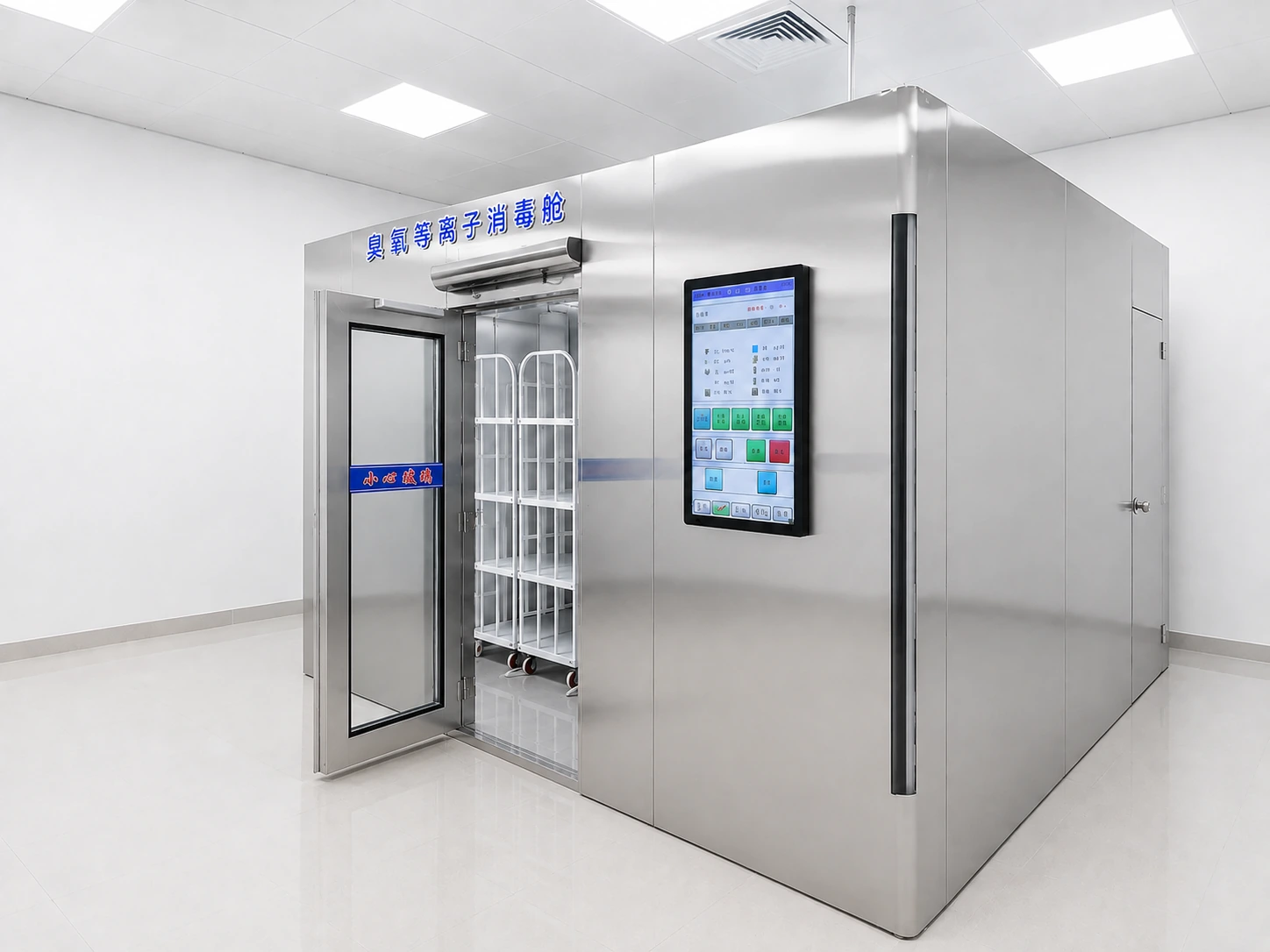
Controlled chamber configurations support selected decontamination workflows for suitable collection materials.
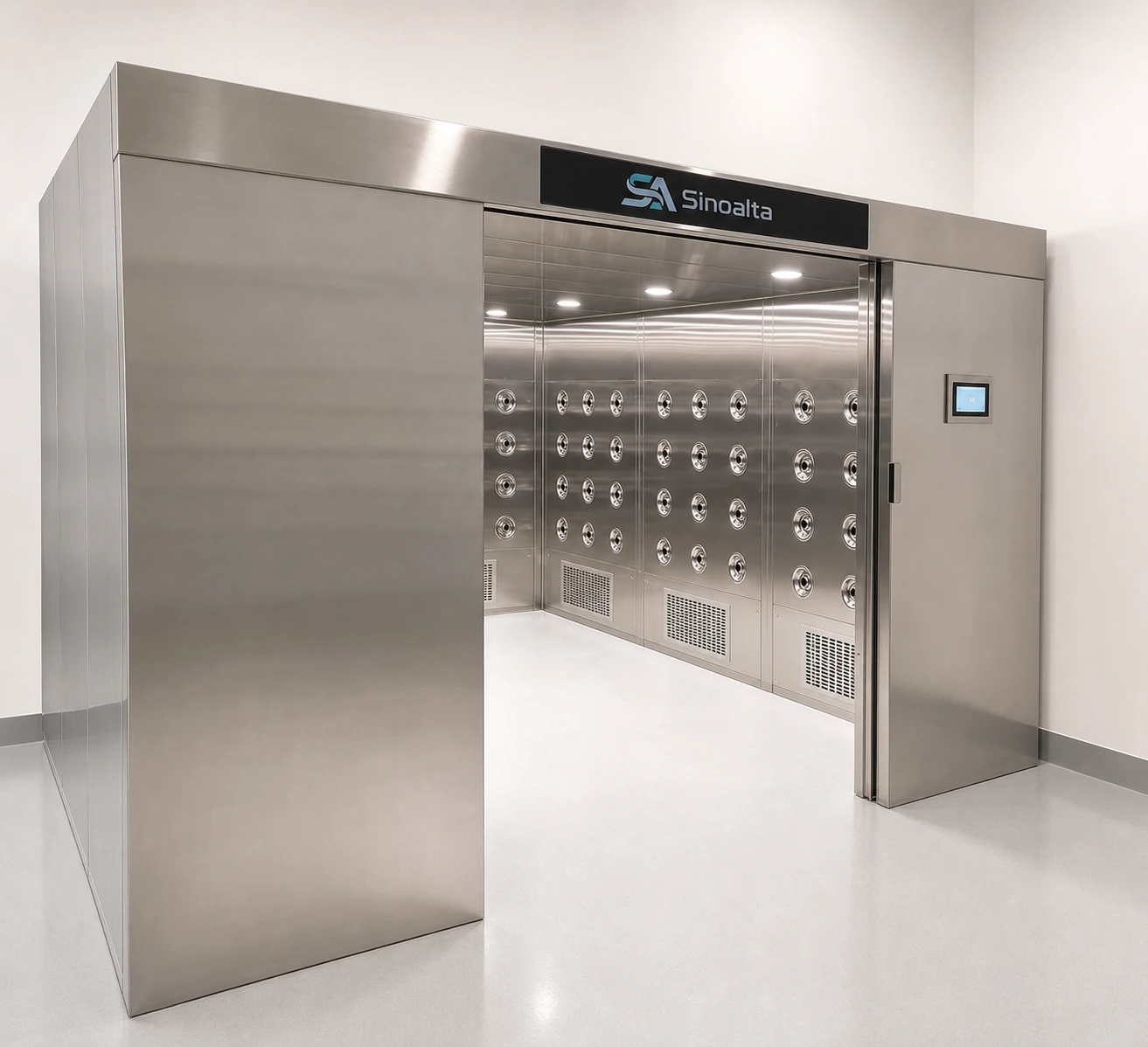
A coordinated pathway linking intake assessment, isolation, cleaning, treatment, verification, documentation, and release.
Typical Applications
Supporting archives, libraries, museums, special collections, and controlled intake workflows.
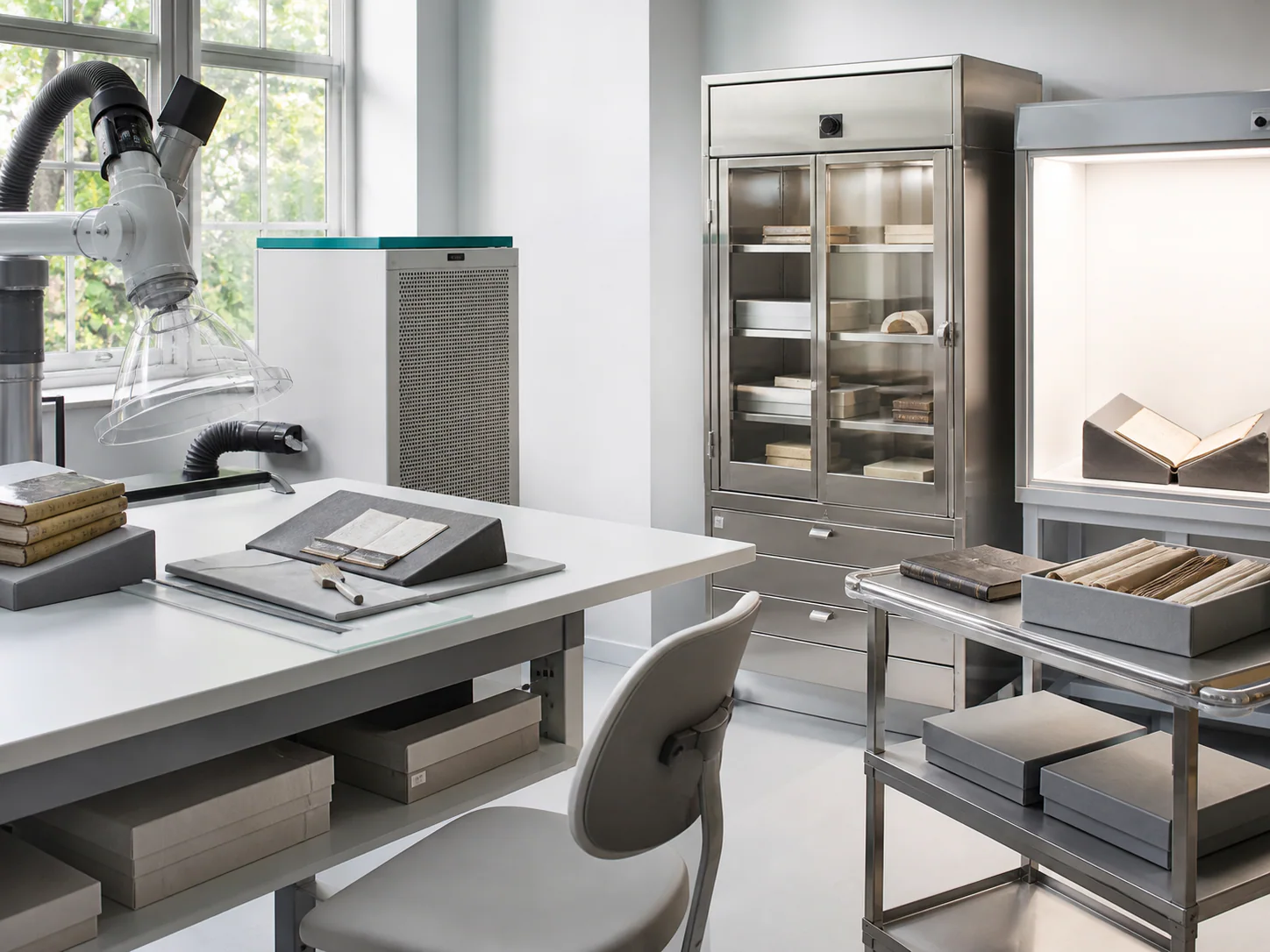
Reduce dust and mold risks before digitization, storage, or re-shelving.
Clean and treat rare books, manuscripts, archives, and fragile collections.
Coordinate response to dust, mold, smoke, water damage, pests, or unknown contamination.
Separate incoming materials and reduce cross-contamination before release.
Our Process
Evaluate materials, contamination type, microbial risks, facility conditions, and operator-safety needs.
Match the chamber, workstation, dust-control system, and process to the material and risk.
Carry out controlled cleaning or decontamination using approved, documented protocols.
Review results, document outcomes, and plan release, storage, training, and ongoing support.
Resources & Case Studies
Understand mold growth, health considerations, isolation, and treatment planning.
Explore Case Studies →
Review material suitability, process planning, monitoring, and documentation considerations.
Explore Guides →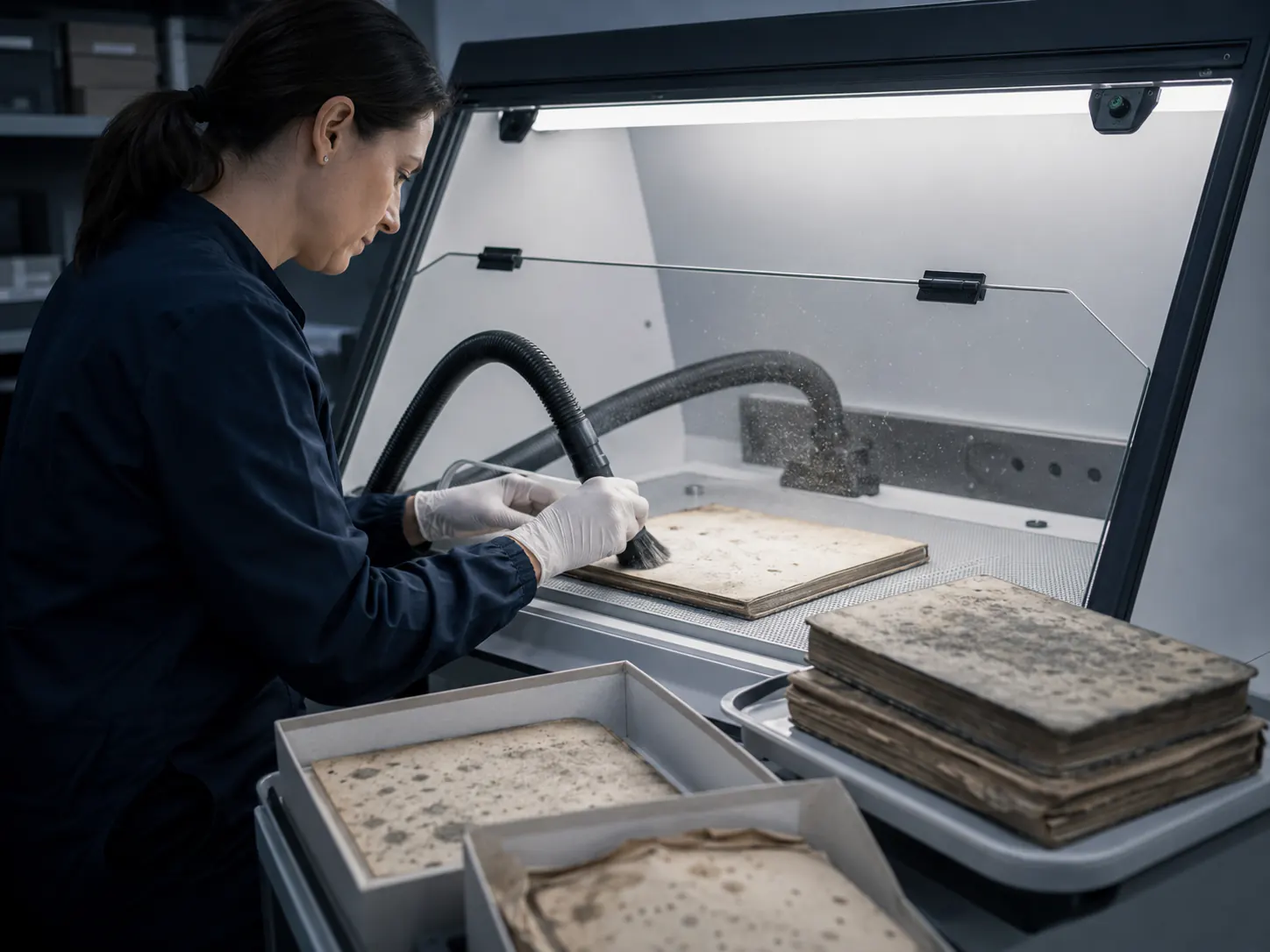
Plan safe particulate removal, filtered work zones, handling, and batch workflows.
Explore Guides →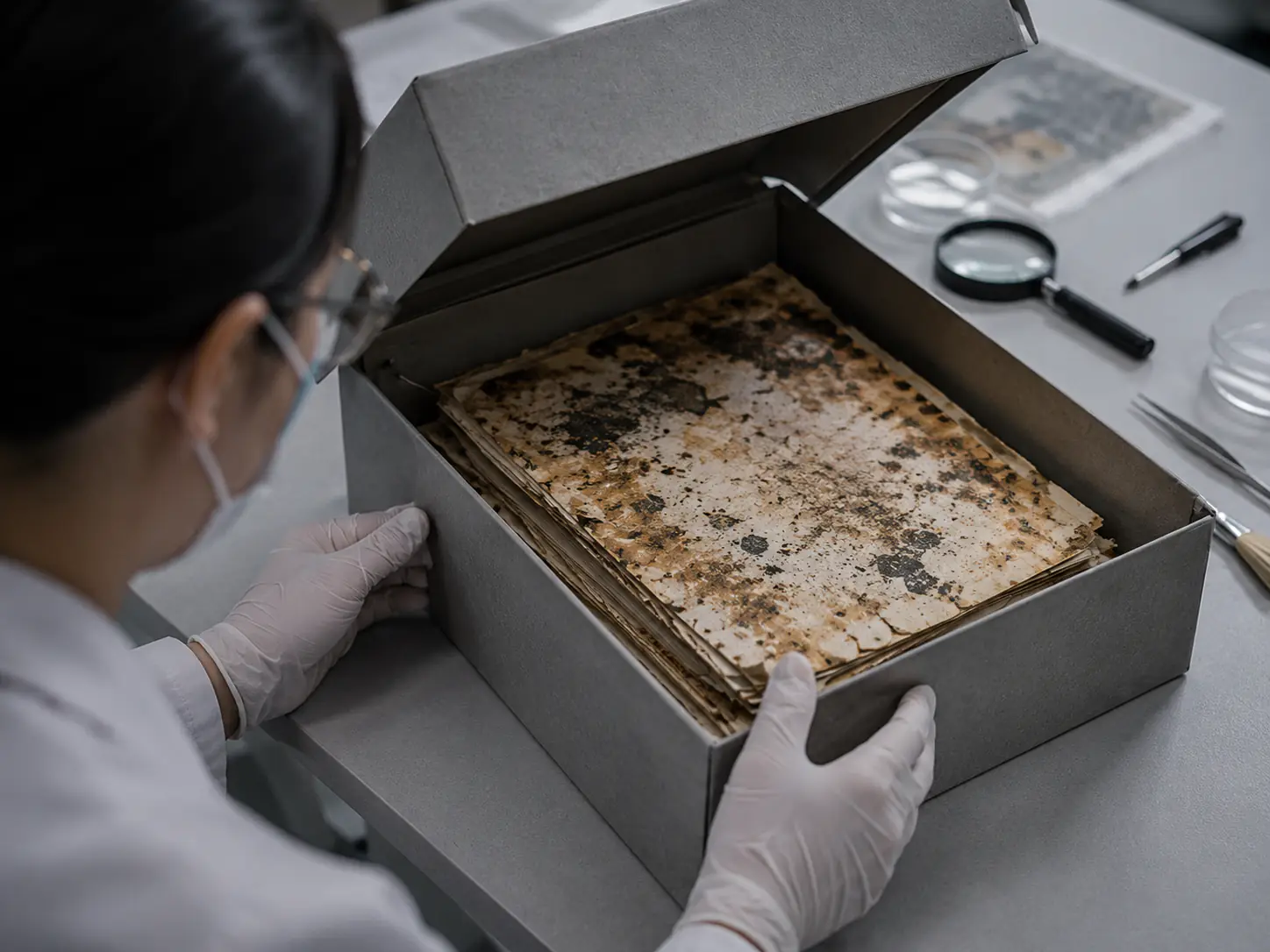
Review intake, isolation, cleaning, treatment, verification, documentation, and release steps.
Explore Downloads →
Common Questions
Mold removal physically reduces visible growth, spores, and affected surface deposits; collection decontamination is the broader risk-managed workflow around isolation, cleaning, treatment selection, documentation, and safe release. Neither replaces correction of the moisture or building condition that allowed growth. The appropriate scope depends on the affected materials, whether growth is active or dormant, the extent of contamination, staff exposure risks, and the institution’s conservation and health-and-safety guidance.
A HEPA-filtered workstation suits controlled, item-by-item collection dust removal where an operator needs close access and adjustable local capture. A batch or room-scale dust-control system may support larger quantities and coordinated intake workflows. Selection should consider object fragility, contamination load, collection volume, handling sequence, available space, and operator protection. Fragile, powdery, friable, or actively mold-affected materials should be assessed before routine cleaning begins.
Separate affected materials from clean holdings, limit unnecessary handling, and establish a defined route for assessment, treatment, and release. Packaging and containment must avoid spreading particles while also accounting for residual moisture and the risk of further growth. The plan should address personnel protection, workspace filtration, tools, waste handling, and cleaning of surrounding surfaces. A conservator or qualified specialist should review sensitive, valuable, or extensively affected objects before treatment.
Ozone should not be treated as a universal remedy for mold, odor, or microbial contamination. Its suitability depends on paper, inks, photographs, coatings, adhesives, bindings, object condition, treatment purpose, exposure control, and post-treatment aeration. Some materials may be vulnerable to oxidation or other changes. Use should follow a documented, project-specific compatibility and risk assessment, with testing where appropriate; physical cleaning and correction of the underlying environmental cause may still be required.
Mold remediation is durable only when the moisture source and collection environment are addressed. After cleaning, review leaks, damp materials, condensation, air movement, housekeeping, storage density, and monitoring practices. Keep treated and untreated material separated until release criteria are met, and document condition observations for follow-up. Environmental targets and response thresholds should be set by the institution’s conservation team for the specific collection and building rather than assumed from a single generic value.
Ready to Start Your Project?
Share the materials, contamination risks, collection volume, facility conditions, and documentation requirements.