Standard equipment
An established Sinoalta configuration can be supplied when the application, capacity, dimensions, utilities and operating conditions match an existing product.
Custom Manufacturing
Conservation equipment does not always fit a fixed catalogue specification. Sinoalta manufactures standard, configurable and made-to-spec equipment around defined project requirements for museums, archives, libraries and conservation laboratories.
Yes. Where technically feasible, Sinoalta can adapt an existing equipment platform or develop a project-specific configuration around defined dimensions, materials, structural requirements, functions, controls, interfaces and measurable performance targets.
The appropriate route depends on the equipment type, conservation workflow, site conditions, safety requirements and the completeness of the buyer's technical brief. Every change is reviewed for its effect on function, structural integrity, maintainability, transport, installation and the intended conservation workflow.
THE RIGHT MANUFACTURING ROUTE
Not every project requires a completely new design. Sinoalta first identifies the simplest configuration that can meet the confirmed requirement and still be manufactured, tested, transported, maintained and operated reliably.
An established Sinoalta configuration can be supplied when the application, capacity, dimensions, utilities and operating conditions match an existing product.
An existing platform can be adapted for defined changes such as dimensions, capacity, internal layout, utility connections, control functions, accessories or operating interfaces.
When a standard platform cannot reasonably satisfy the requirement, Sinoalta can assess a defined specification, drawing package, performance requirement or equipment schedule.
MANUFACTURING VARIABLES
The exact scope varies by equipment type. These categories show the requirements that may be reviewed during technical confirmation; they are not blanket promises for every product.
Overall and usable dimensions, working area, chamber volume, treatment capacity, shelf or tray dimensions, working height and access clearances.
Materials and finishes reviewed against equipment function, contact surfaces, cleanability, corrosion exposure and the project specification.
Cabinets, chambers, worktops, trays, shelves, partitions, supports, doors, pull-out structures, access panels and removable modules.
Equipment-specific extraction, filtration, humidification, heating, lighting, lifting, controlled atmosphere, monitoring, alarms or data recording.
Control logic, HMI functions, sensors, alarms, external connections, utility interfaces and selected communication requirements.
External form, coating, colour, visible panels, observation areas and operator-facing layout where these affect coordination or use.
Measurable requirements such as load, airflow, filtration, atmosphere, humidity, temperature, extraction volume, stabilization time or alarm behavior.
EQUIPMENT SCOPE
Project-specific configuration may be reviewed for suitable equipment across the existing Sinoalta range. Final scope depends on the platform, required change, engineering feasibility and confirmed commercial project.
YOUR TECHNICAL BRIEF
A useful custom-equipment brief explains what the equipment must accomplish and the conditions in which it will operate. A reference image may communicate intent, but final equipment is based on confirmed technical requirements.
DRAWINGS & SPECIFICATIONS
Sinoalta can review customer-issued drawings, BOQs, equipment schedules and technical specifications as inputs for feasibility assessment and quotation. Requirements are reviewed before production rather than copied without technical evaluation.
Where inputs are incomplete or contradictory, clarification may be required. Parameters affecting safety, structural performance, controls, transport or conservation suitability may need revision before production release.
PROJECT PROCESS
Detailed non-standard engineering begins only after the commercial project and supply scope are confirmed.
Review the application, project documents, site conditions, dimensions, functions and measurable performance requirements.
Classify the request as a standard match, configurable platform or made-to-spec project and identify information gaps.
Define the equipment, major configuration, quantity, commercial terms, responsibilities and applicable exclusions.
After commercial confirmation, develop non-standard drawings, interfaces, controls and project-specific engineering.
Release the approved configuration for fabrication, assembly, controls integration and internal checks as applicable.
Prepare inspection, documentation and packing according to the confirmed scope and agreed transport route.
PROJECT EVIDENCE
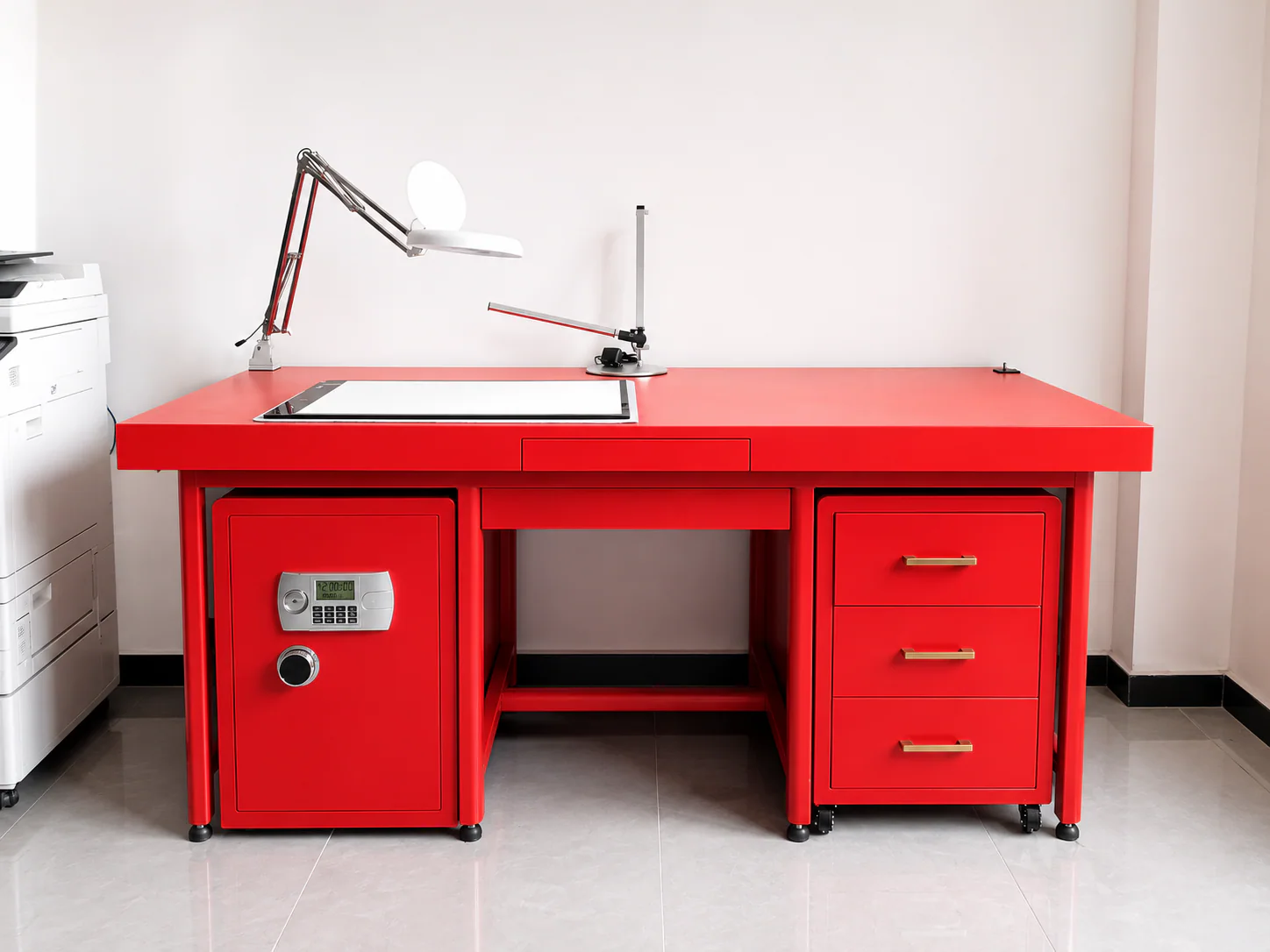
A conservation project in Spain required a workstation shaped around the customer's working area, restoration process, storage, task lighting, extraction and supporting equipment positions. Sinoalta reviewed the workflow, coordinated the layout and clearances in CAD, manufactured the confirmed structure and prepared it for international delivery.
View the Customized Conservation Workstation Case →PROCUREMENT BOUNDARY
During inquiry, Sinoalta can provide standard product information, available configurations, preliminary equipment selection and an initial review of whether a non-standard requirement appears technically feasible.
Detailed project-specific engineering, final non-standard parameters, manufacturing drawings, integrated control design, prototypes or extensive design work begin after commercial confirmation. Substantial engineering or development beyond normal equipment configuration may be quoted separately according to scope.
FAQ
Yes, for suitable equipment. Dimensions are reviewed against working area, object envelope, load, access, structural rigidity, airflow or control requirements, installation route and transport method. A dimensional change may require a different structure rather than a simple scale adjustment.
Yes, where compatible with the equipment function, conservation environment, manufacturing process and project requirements. Mandatory or prohibited materials, contact-surface requirements and required documentation should be stated during the RFQ stage.
Selected functions, sensors, controls, alarms, data recording, interfaces and accessories can be reviewed when appropriate to the equipment type. Integration depends on technical feasibility, safety and agreed scope.
Customer drawings, BOQs and specifications can be used as project inputs, but they are reviewed before production. Requirements affecting safety, structure, controls, transport or conservation suitability may require clarification or adjustment.
Standard information and preliminary feasibility review are available during inquiry. Detailed non-standard engineering and project-specific drawings are prepared after commercial confirmation according to the agreed scope.
Send the application, required function, quantity, dimensions, capacity, materials, utilities, performance requirements, installation location and destination, together with an RFQ, BOQ, specification, schedule or drawings where available.
DEFINED REQUIREMENT
Send your RFQ, BOQ, technical specification, drawing package or equipment brief. We will review whether it is best handled as standard equipment, a configurable platform or a made-to-spec project.