Workflow integration
Different conservation operations needed to take place around one workstation without repeatedly moving materials between separate areas.
From conservation workflow requirements to engineering design, customization and final delivery.
The materials being treated, restoration procedures, room layout, operator habits and supporting equipment can all influence how a conservation workstation should be designed.
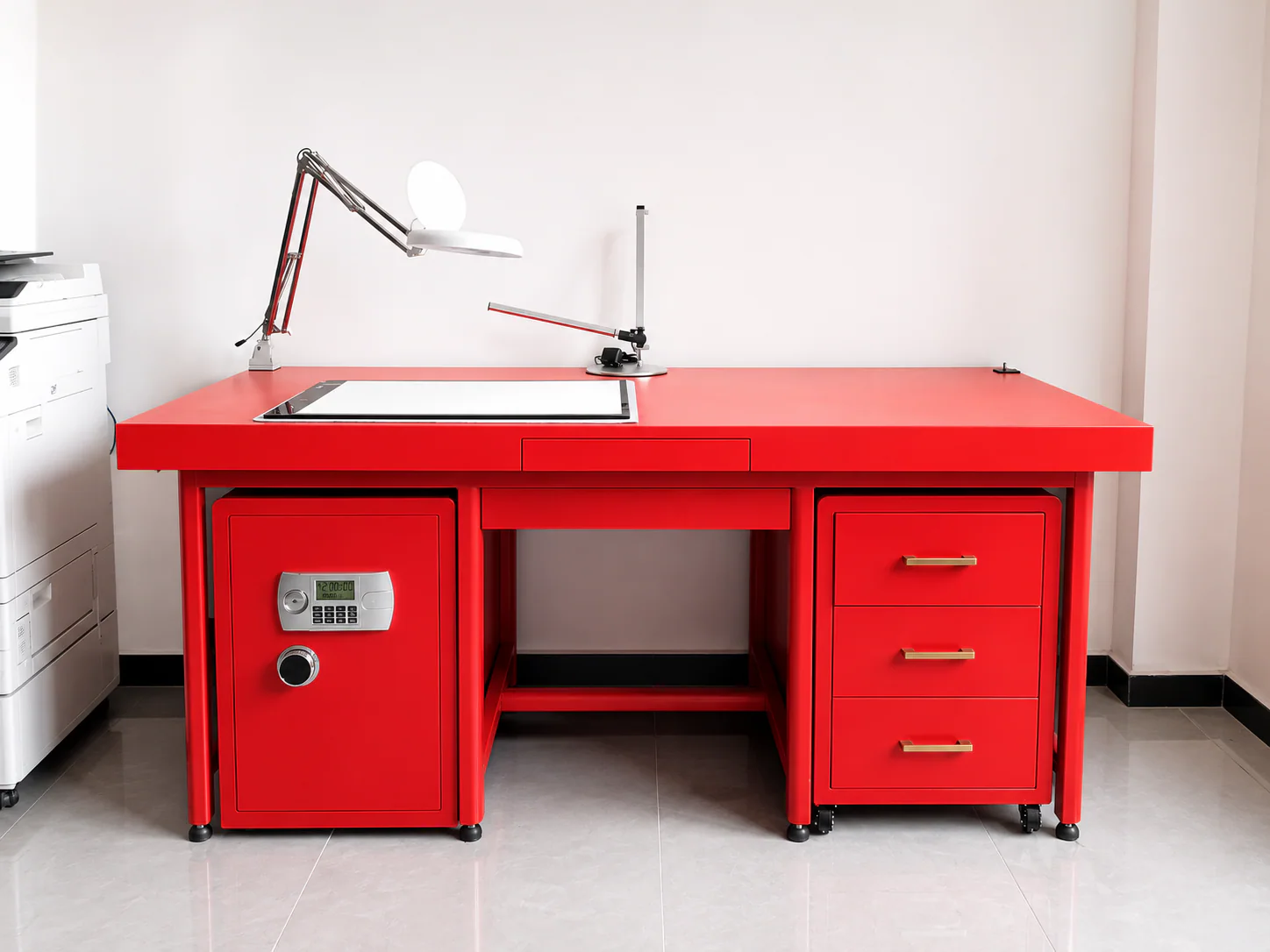
For this project in Spain, the customer was looking for more than a standard restoration table. The workstation needed to fit their existing conservation workflow while integrating multiple working functions into a single, practical platform.
Sinoalta therefore developed a customized conservation workstation based on the customer's operational requirements, moving from initial requirement analysis to structural design, engineering confirmation, manufacturing and final delivery.
As the customer's conservation activities expanded, the existing workspace could no longer fully support the range of operations required for paper and cultural heritage conservation.
The customer planned to introduce a dedicated workstation that could organize daily restoration work while accommodating lighting, extraction, tools, documents and supporting equipment within one integrated workspace.
Because it would be used in an existing conservation environment, its dimensions, component layout and operating positions also needed to match the room conditions and working habits.
Different conservation operations needed to take place around one workstation without repeatedly moving materials between separate areas.
Lighting, extraction and auxiliary tools had to remain within convenient reach without interfering with the primary working surface.
The workstation needed sufficient surface area while retaining organized storage for tools, documents and supporting equipment.
Dimensions and component arrangement had to respond to the actual operating environment rather than a fixed catalogue configuration.
Instead of adapting the customer's process to an existing standard product, Sinoalta started from the conservation workflow itself.
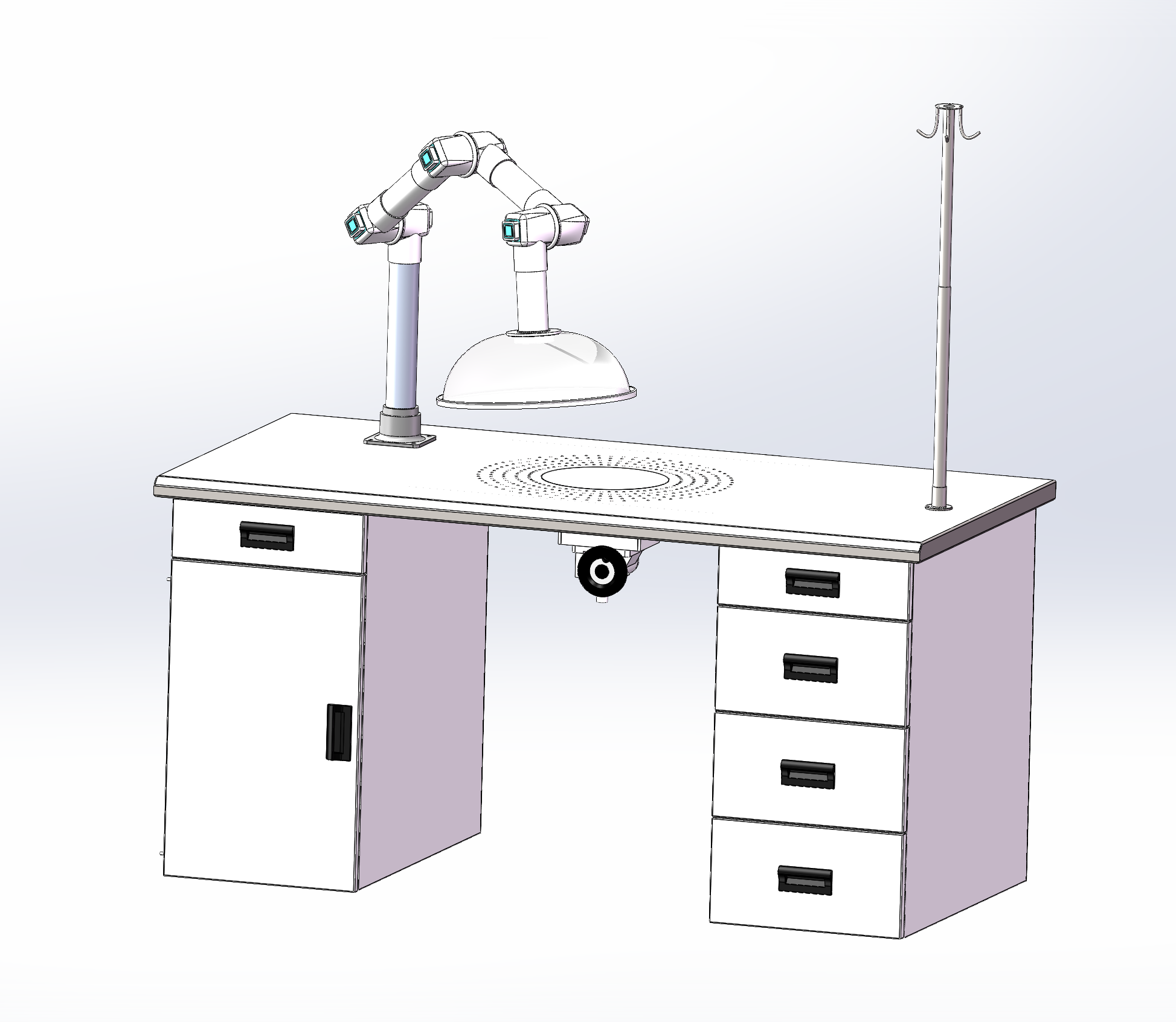
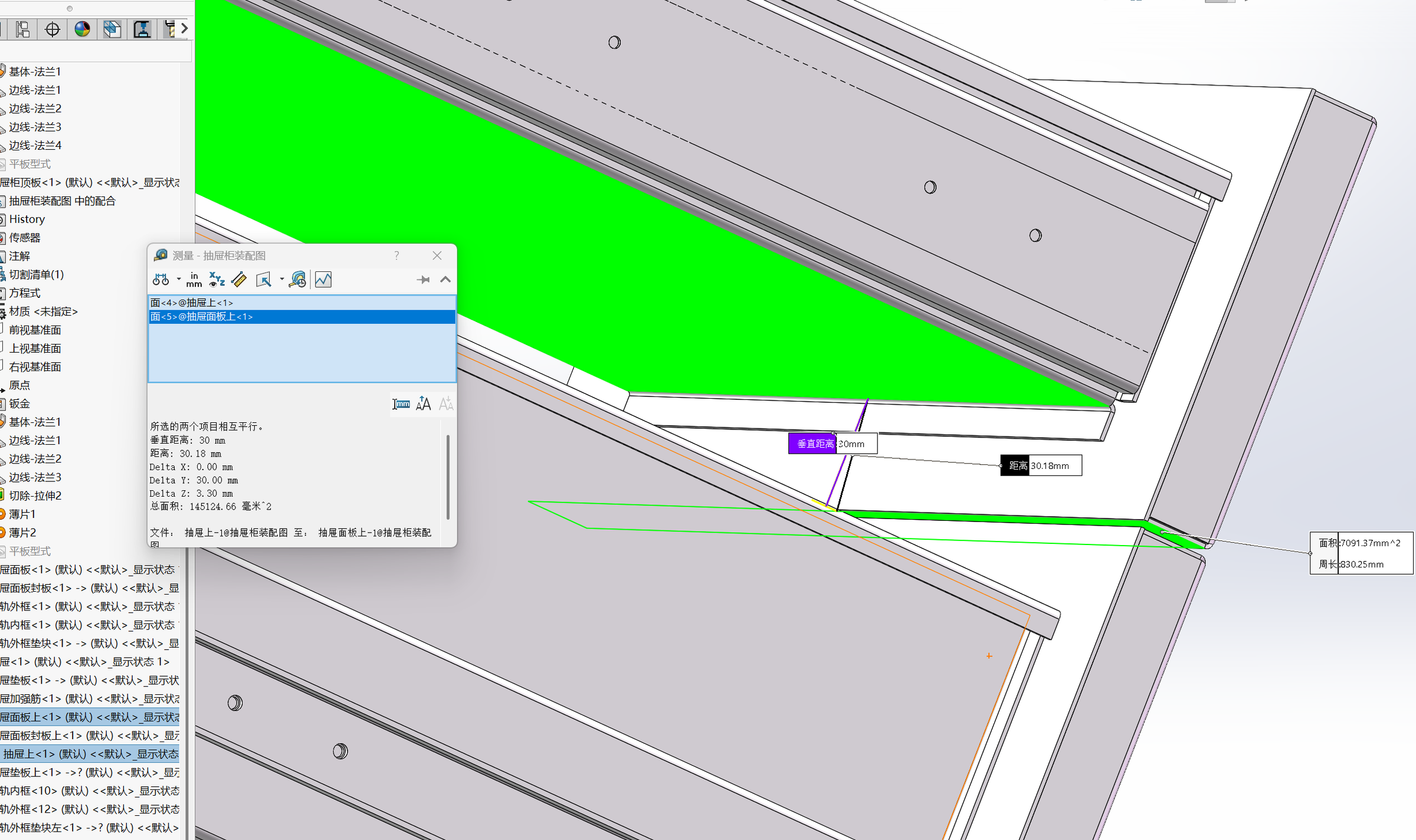
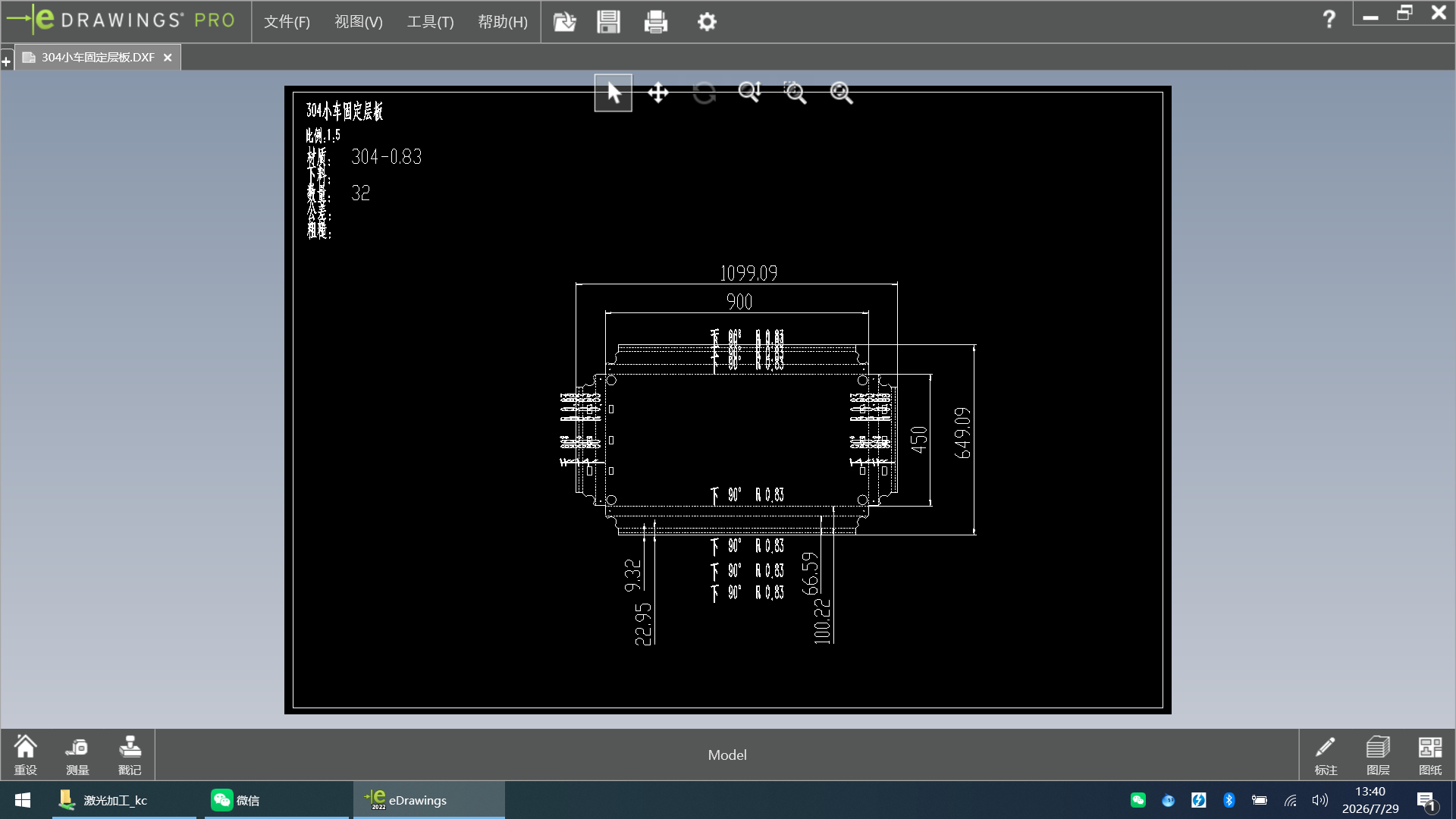
The final configuration integrated the working surface, storage modules, adjustable task lighting, extraction components and auxiliary equipment positions. The layout was reviewed so that the components could operate without obstructing the conservation area.
Once the engineering configuration was confirmed, the workstation entered manufacturing and assembly, followed by preparation for international shipment and delivery to Spain.
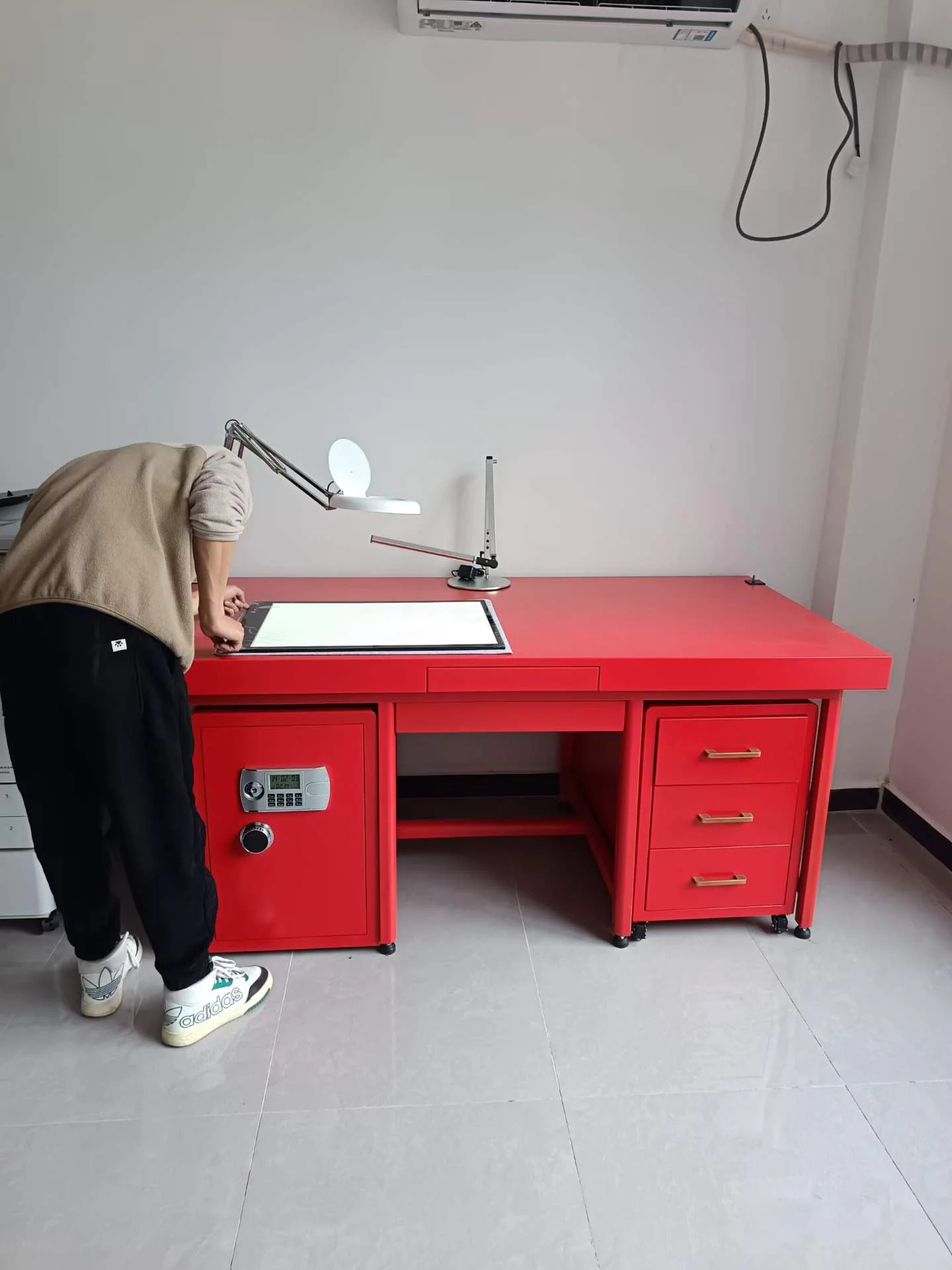
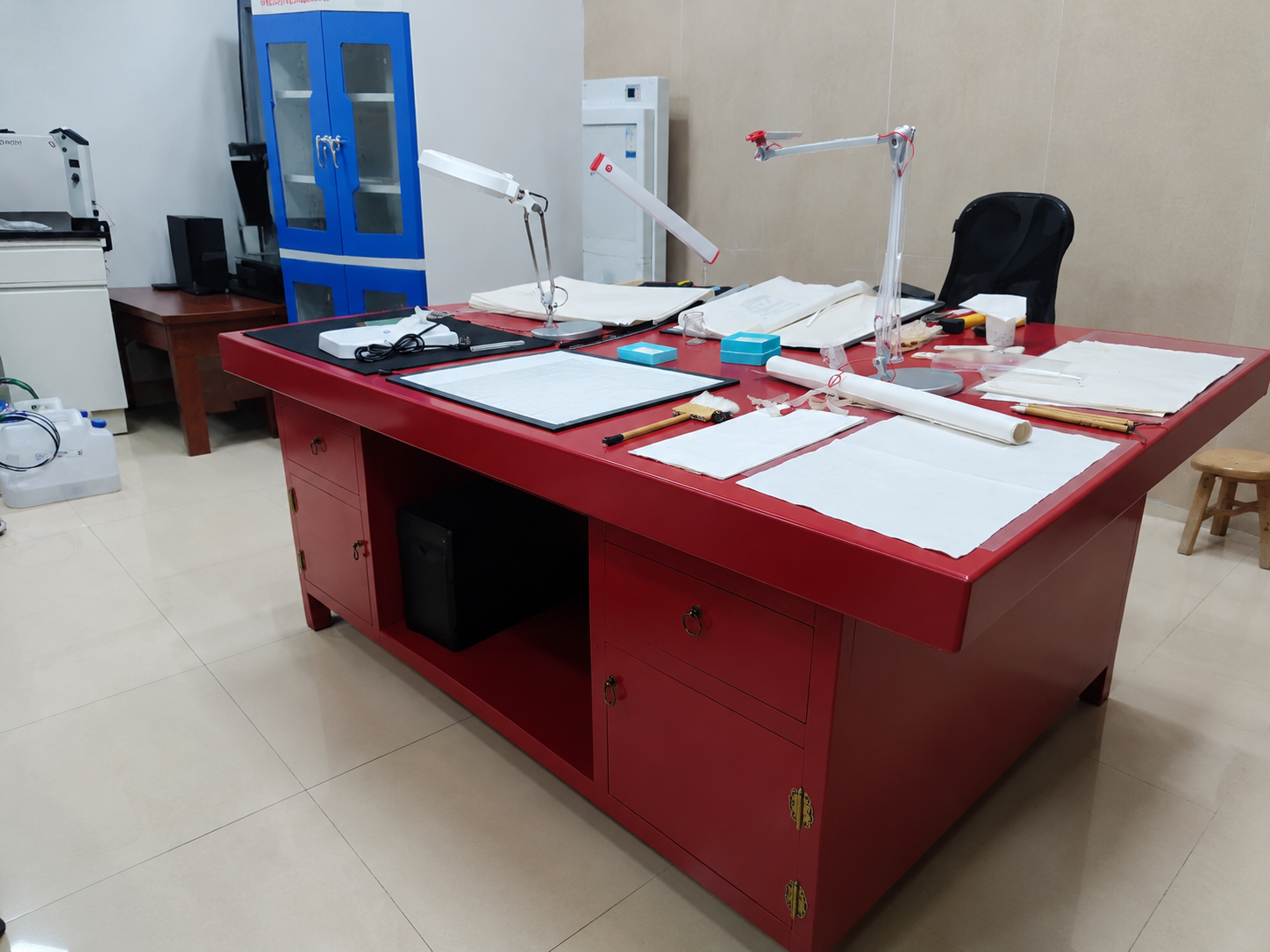
The workstation was successfully delivered to Spain and installed in the customer's conservation workspace. According to the supplied project feedback, the completed workstation met the expected operational requirements and integrated into the existing environment.
The project demonstrated that conservation equipment does not always need to follow a fixed configuration. By understanding the restoration process first, equipment can be designed around the actual workflow.
Different institutions may work with similar materials, yet their procedures, available space, equipment combinations and operator habits can vary significantly. Conservation solutions should therefore not begin with a fixed machine configuration.
Understand the conservation workflow first. Then engineer the environment around it.
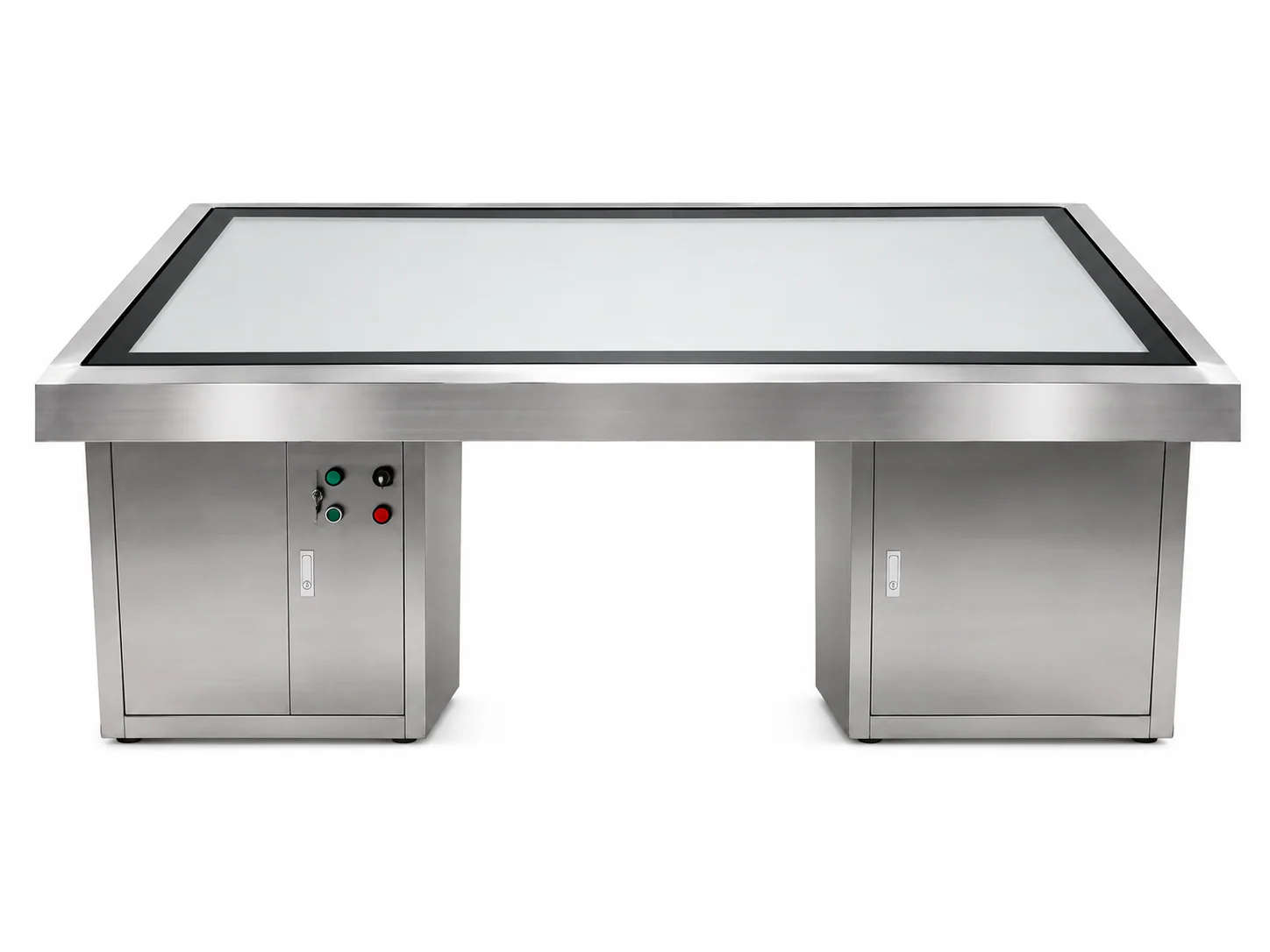
conservation workbench custom conservation workstation multifunction conservation workstation
workbench for paper and archive conservation workstation for conservation laboratories workbench for book conservation
paper conservation archive repair rare book restoration museum conservation laboratory
museums archives libraries conservation laboratories universities restoration institutions