
RH Stability
Humidity fluctuation can drive dimensional response, coating stress, corrosion, and material fatigue.
Preservation Solutions
Plan display-case microclimates from object sensitivity, exhibition duration, enclosure airtightness, gallery conditions, access, monitoring and maintenance needs before selecting a case or control device.
Preservation Challenges
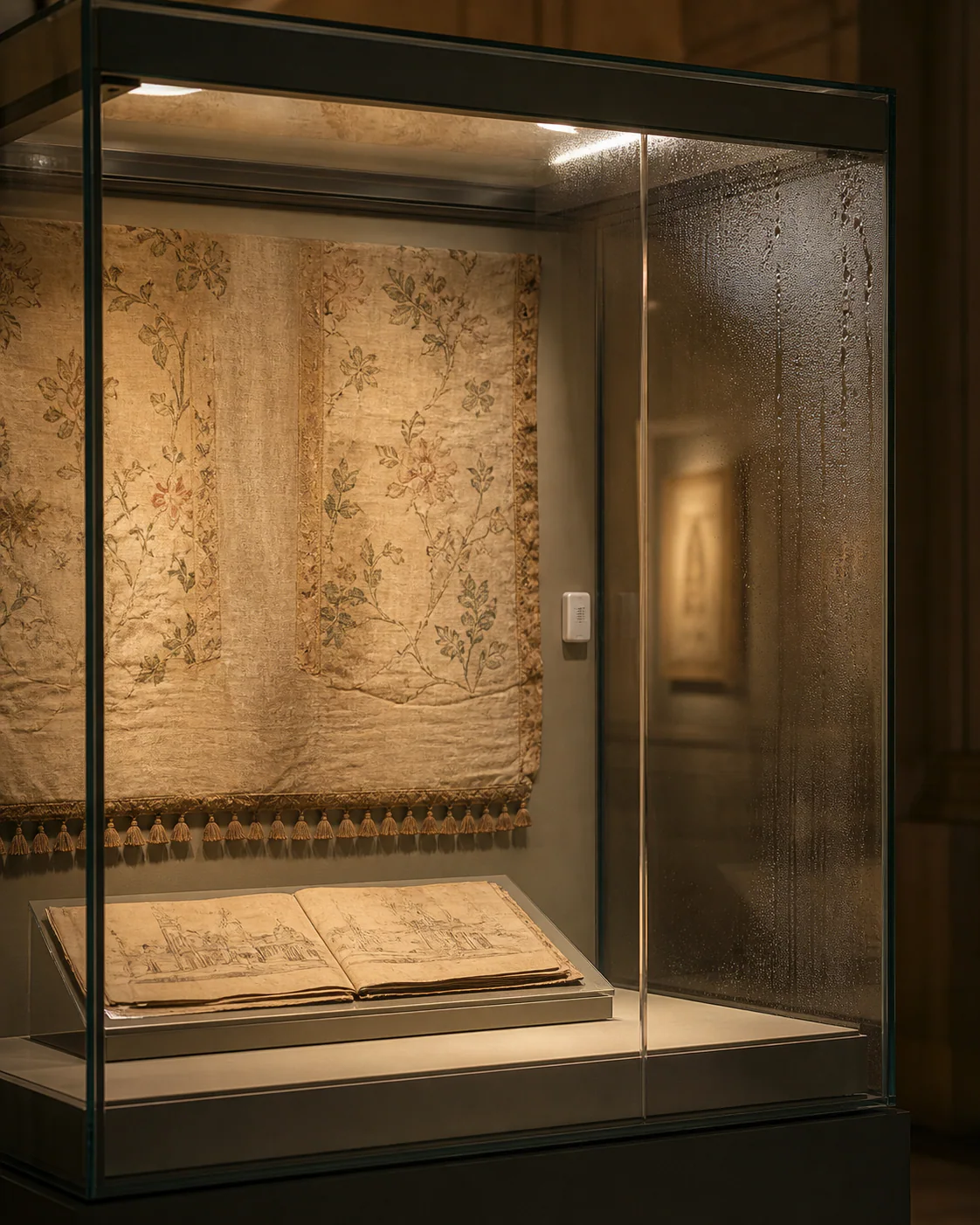
Humidity fluctuation can drive dimensional response, coating stress, corrosion, and material fatigue.
Selected objects may benefit from controlled oxygen management defined around material and exhibition needs.
Temperature and humidity gradients must be considered to reduce condensation and surface-damage risks.
A coordinated enclosure and control strategy supports stable, repeatable exhibition conditions.
Recommended Systems
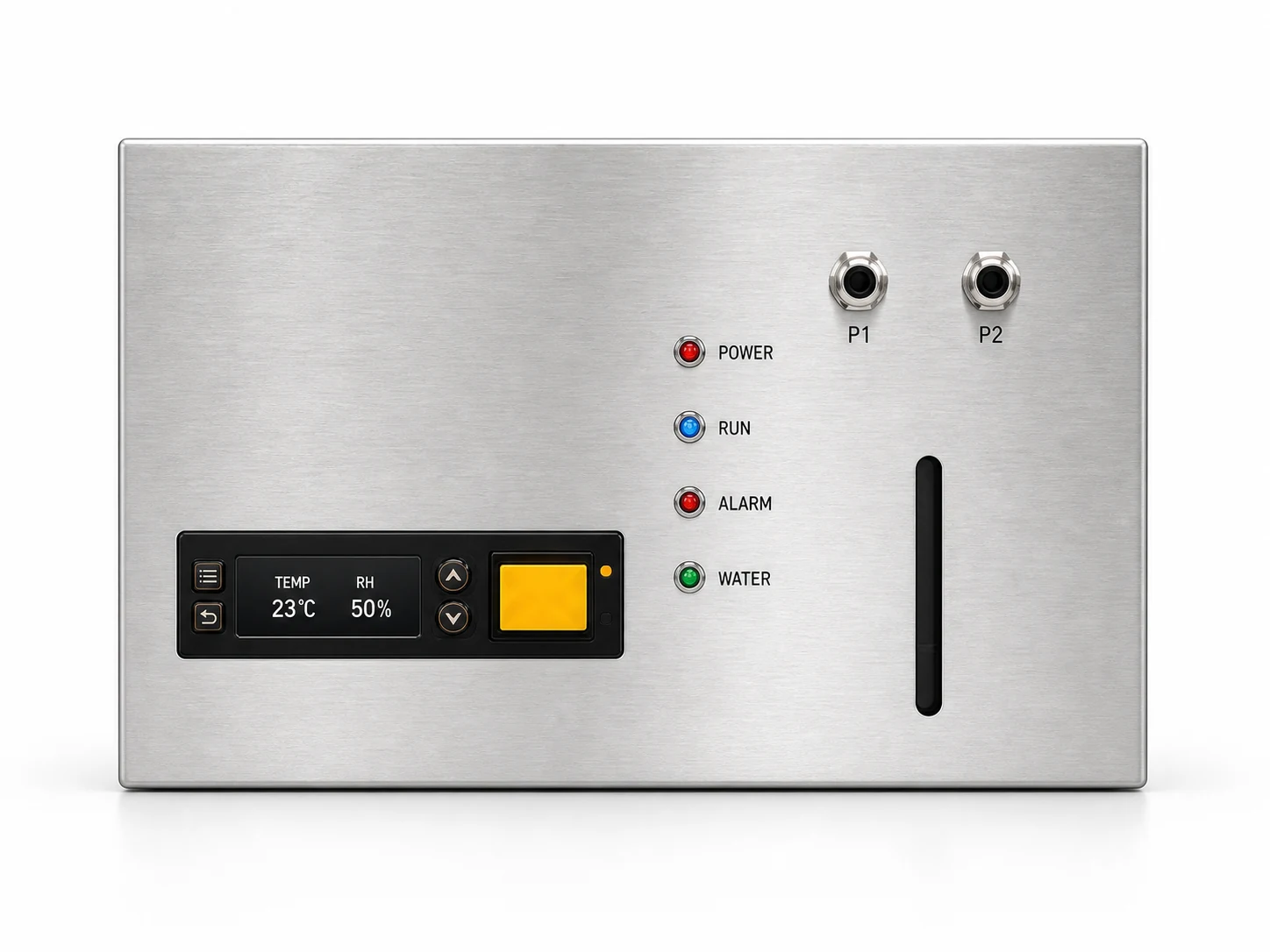
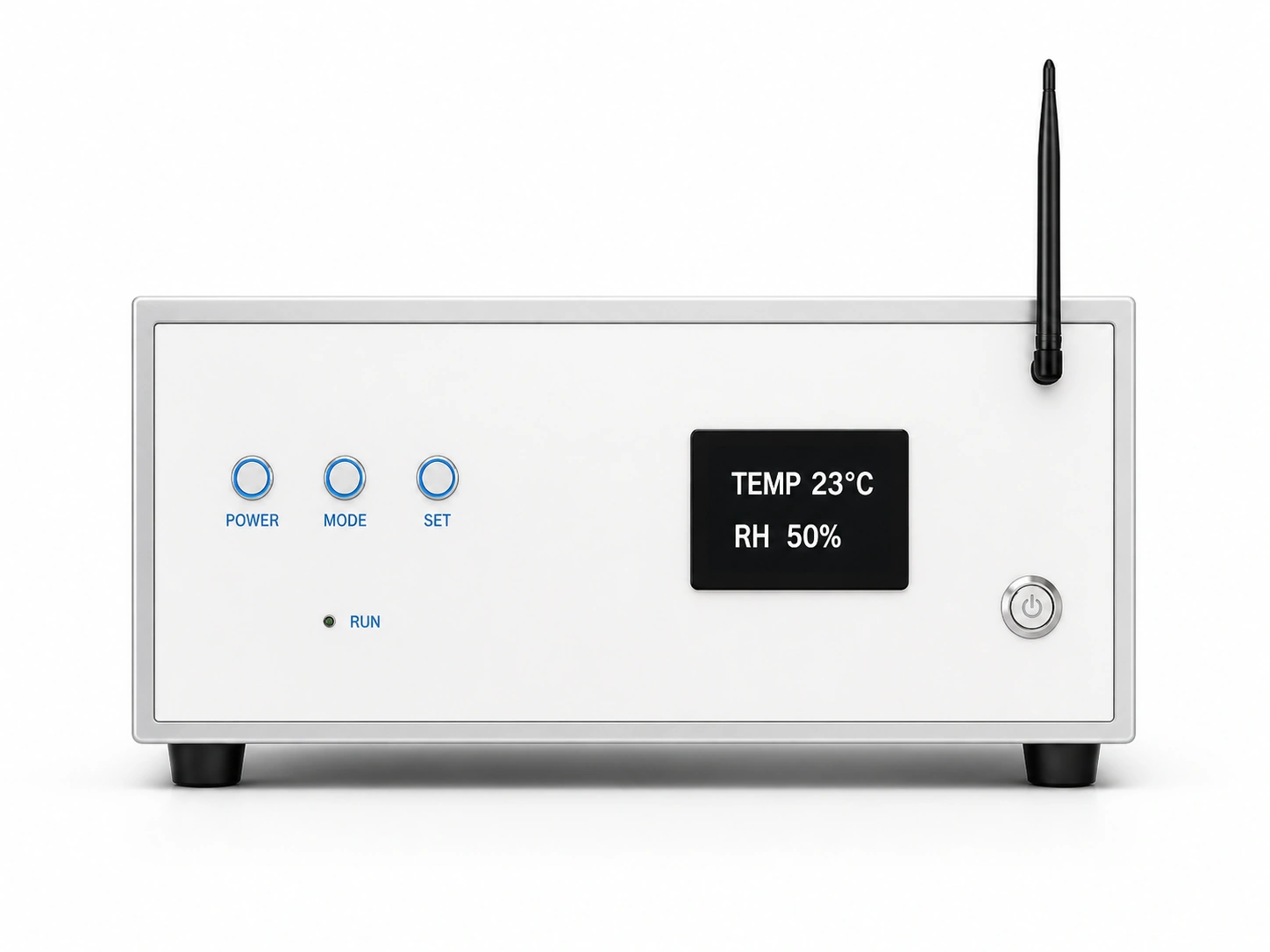
Provides controlled air treatment for display-case humidity and selected microclimate requirements.
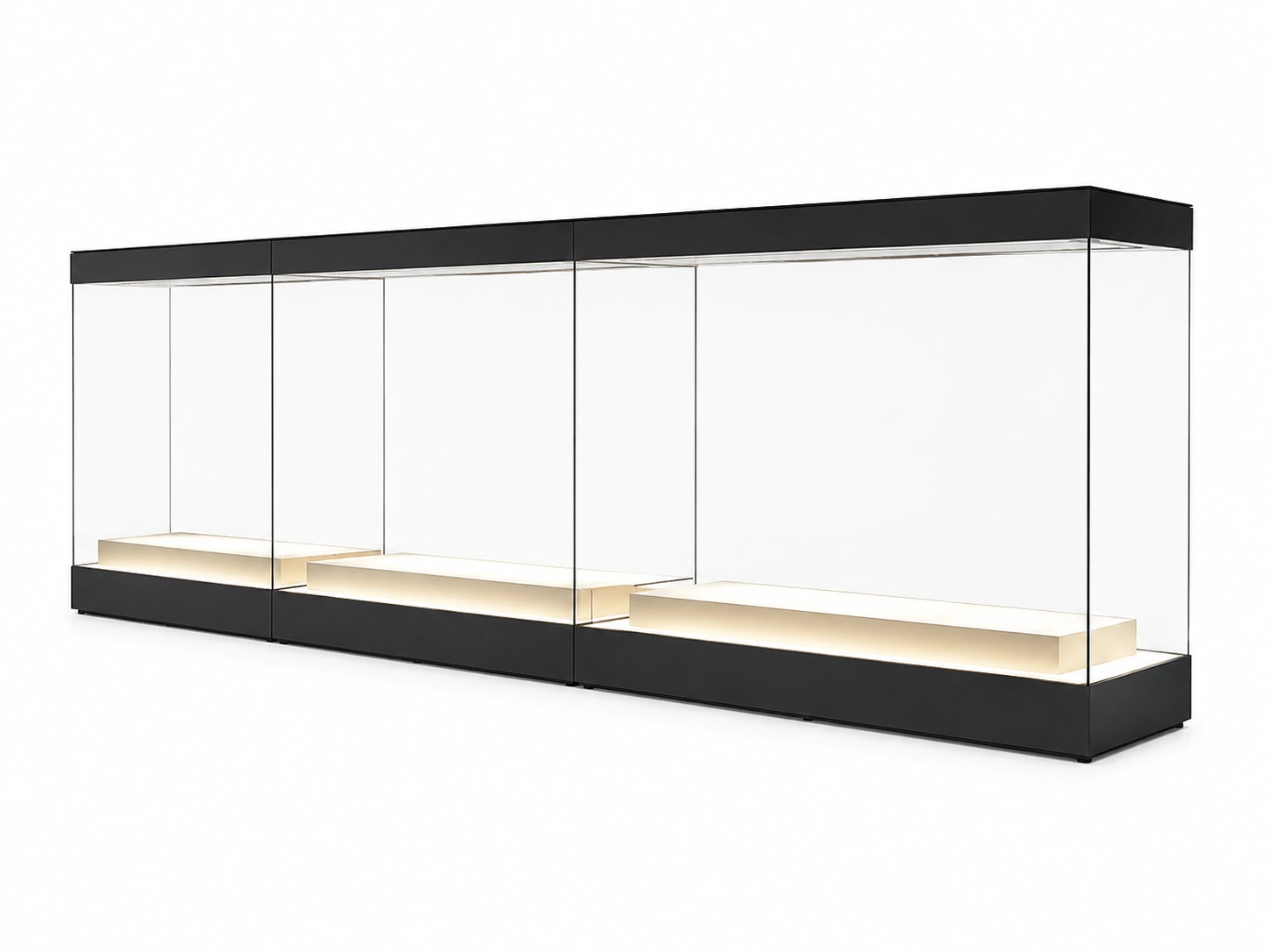
A high-sealing display enclosure designed around humidity, oxygen, pollution, and exhibition requirements.
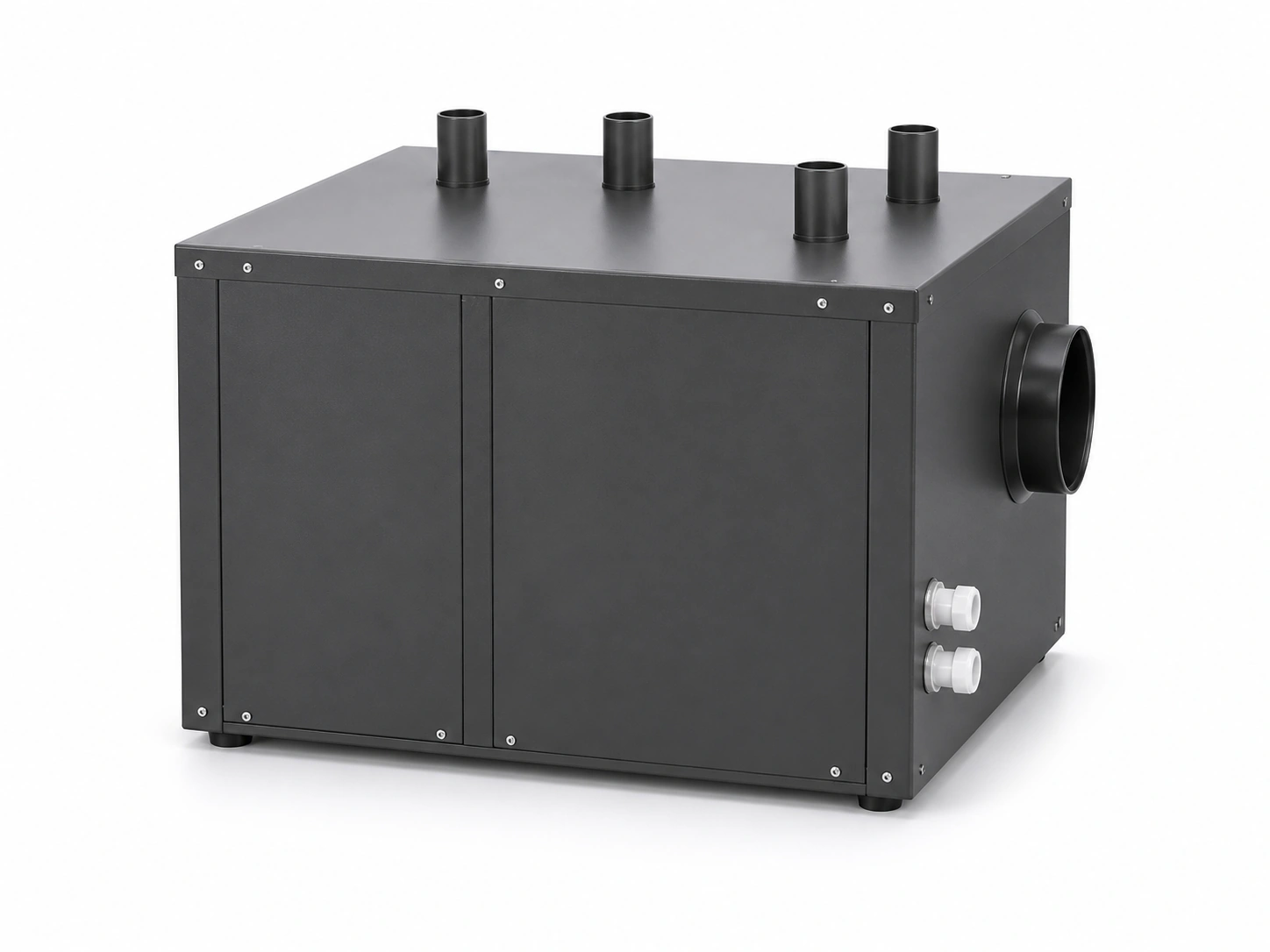
Monitoring, data storage, and remote-management capability planned around the selected system configuration.
System design that coordinates enclosure tightness, control equipment, monitoring, commissioning, and maintenance.
Typical Applications
Supporting exhibition environments that require stable, material-appropriate display conditions.
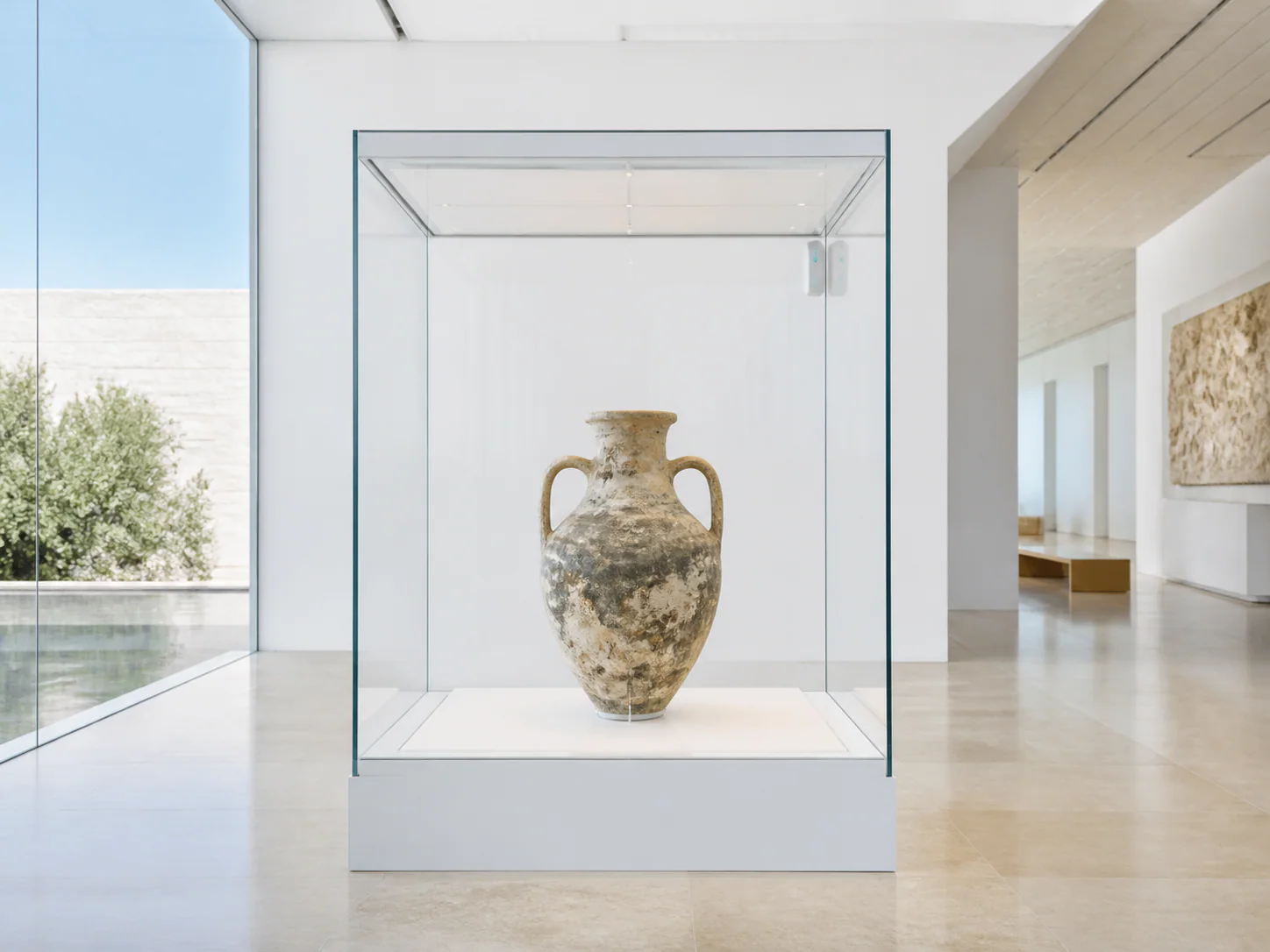
Permanent and rotating exhibitions requiring defined display-case microclimates.
Sensitive artworks displayed under controlled, material-appropriate conditions.
High-profile, travelling, or time-limited exhibitions with documented requirements.
Metal, organic, composite, and other objects sensitive to humidity, oxygen, or pollutants.
Our Approach
Review materials, risks, case form, exhibition duration, and gallery conditions.
Set project-specific humidity, temperature, oxygen, monitoring, and interface requirements.
Coordinate enclosure, generator configuration, controls, monitoring, and installation.
Define commissioning, data review, maintenance, documentation, and service scope.
Resources
Review enclosure, monitoring, access and gas-management factors before specifying a low-oxygen display case.
Read More →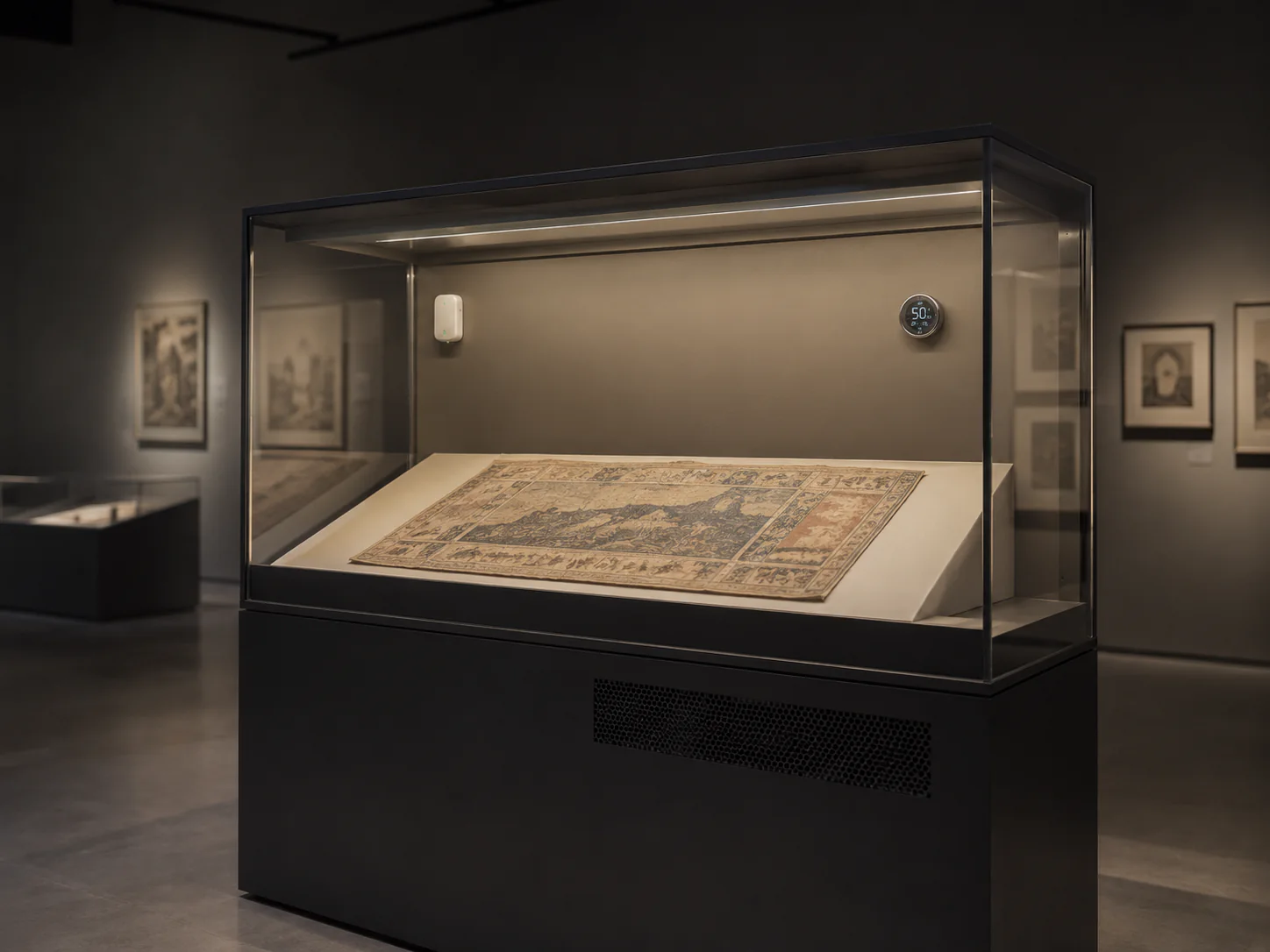
Understand display-case humidity planning, equipment selection and ongoing environmental review.
Read More →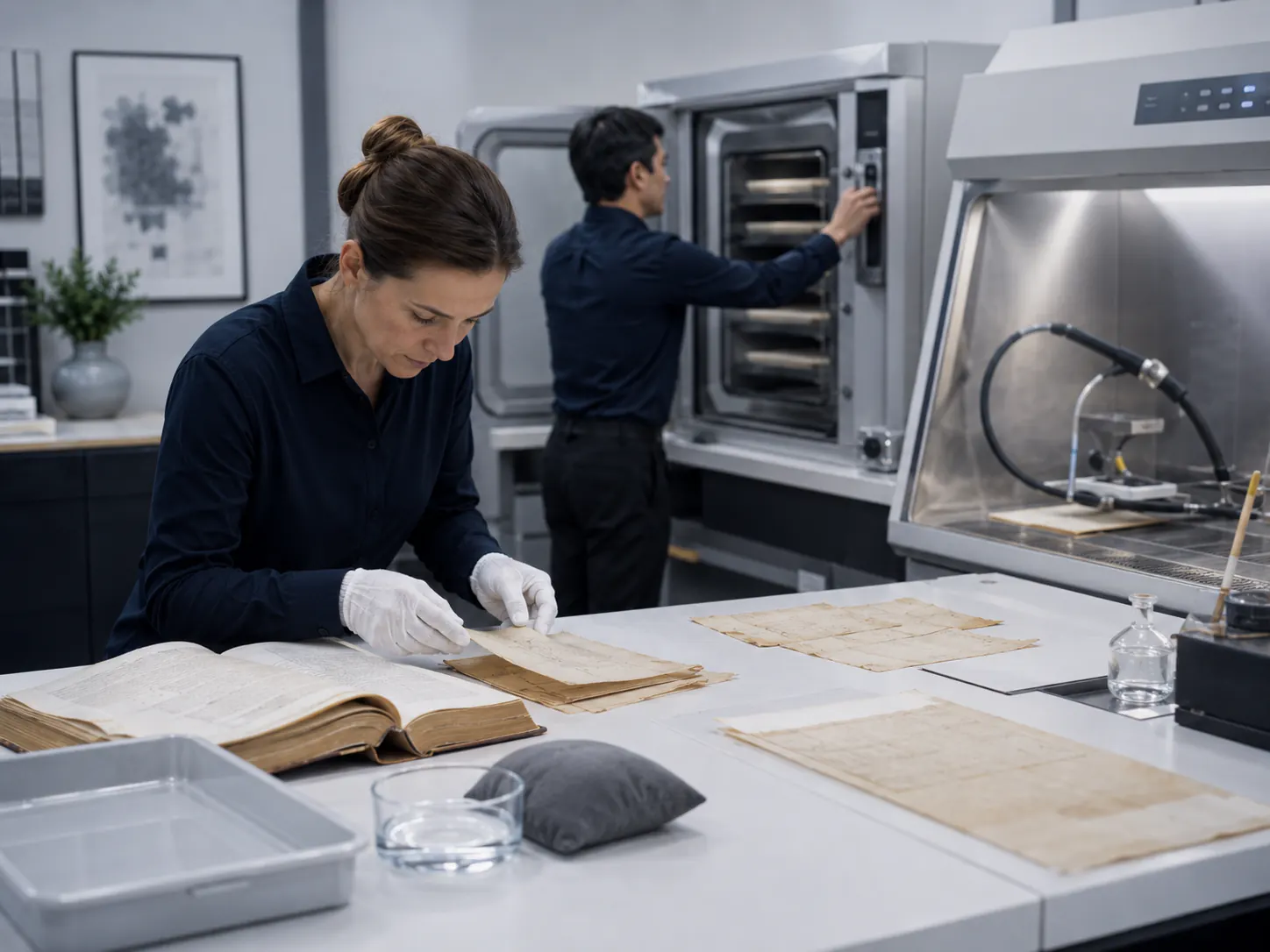
Explore confidential-project references and display-environment planning contexts.
Explore Cases →
Access available planning resources and request approved technical documentation.
Explore Downloads →
Common Questions
Passive control can suit a sufficiently airtight case with manageable loads and slow, predictable changes, using conditioned materials to buffer relative humidity. Active control is considered when the target range, leakage, visitor environment, exhibition duration, or internal moisture load requires continuous adjustment. The decision should follow object-risk review, case-volume and airtightness assessment, gallery-condition data, access frequency, maintenance capacity, and contingency planning rather than being based on case size alone.
Airtightness is evaluated as part of the complete enclosure, including joints, doors, glazing interfaces, cable penetrations, service connections, and access hardware. The assessment method and acceptance criteria should be agreed for the project and interpreted alongside case volume and the proposed control strategy. Visual inspection alone cannot establish performance. Testing before final commissioning helps identify leakage paths and determine whether passive buffering, active humidity control, or low-oxygen operation can be maintained as intended.
There is no single display-case RH target that is safe for every mixed collection. Selection begins with the most vulnerable materials, their condition and treatment history, likely dimensional or corrosion responses, exhibition duration, and the range achievable without creating new risks. Conservators may need to adjust object groupings or use local enclosures where requirements conflict. Targets, tolerances, sensor locations, alarms, and response procedures should be documented specifically for the exhibition and reviewed against measured gallery conditions.
A low-oxygen display case may be considered when a conservation assessment identifies a meaningful benefit for suitable objects and the institution can support an airtight enclosure, controlled gas management, monitoring, access procedures, and ongoing maintenance. It is not automatically appropriate for every metal, organic, or composite object. Material compatibility, exhibition goals, case leakage, visitor and staff safety, emergency arrangements, and the consequences of opening the case should all be resolved before the system is specified.
Often it can, but feasibility depends on enclosure leakage, internal volume, access frequency, airflow paths, available equipment space, power and service routes, sensor placement, and the visual requirements of the exhibition. The existing case should be surveyed and, where appropriate, tested before a control method is selected. A retrofit plan should also address installation access, condensate or heat management, commissioning, maintenance, and how the collection will be protected while work is carried out.
Project Support
Discuss the objects, display-case conditions, exhibition plan, and required interfaces with Sinoalta.