Surface Contamination & Corrosion
Soil, residues, corrosion products, and previous treatments can obscure surfaces and accelerate deterioration.
Object Conservation Solutions
Configure controlled laboratory workflows for the examination, cleaning, stabilization, and documentation of metal and ceramic artifacts. Systems are selected around material, surface condition, object scale, treatment method, extraction needs, and the intended conservation outcome.
Preservation Challenges
Balance selective cleaning, surface preservation, contamination control, object support, and repeatable laboratory practice around each artifact’s condition.
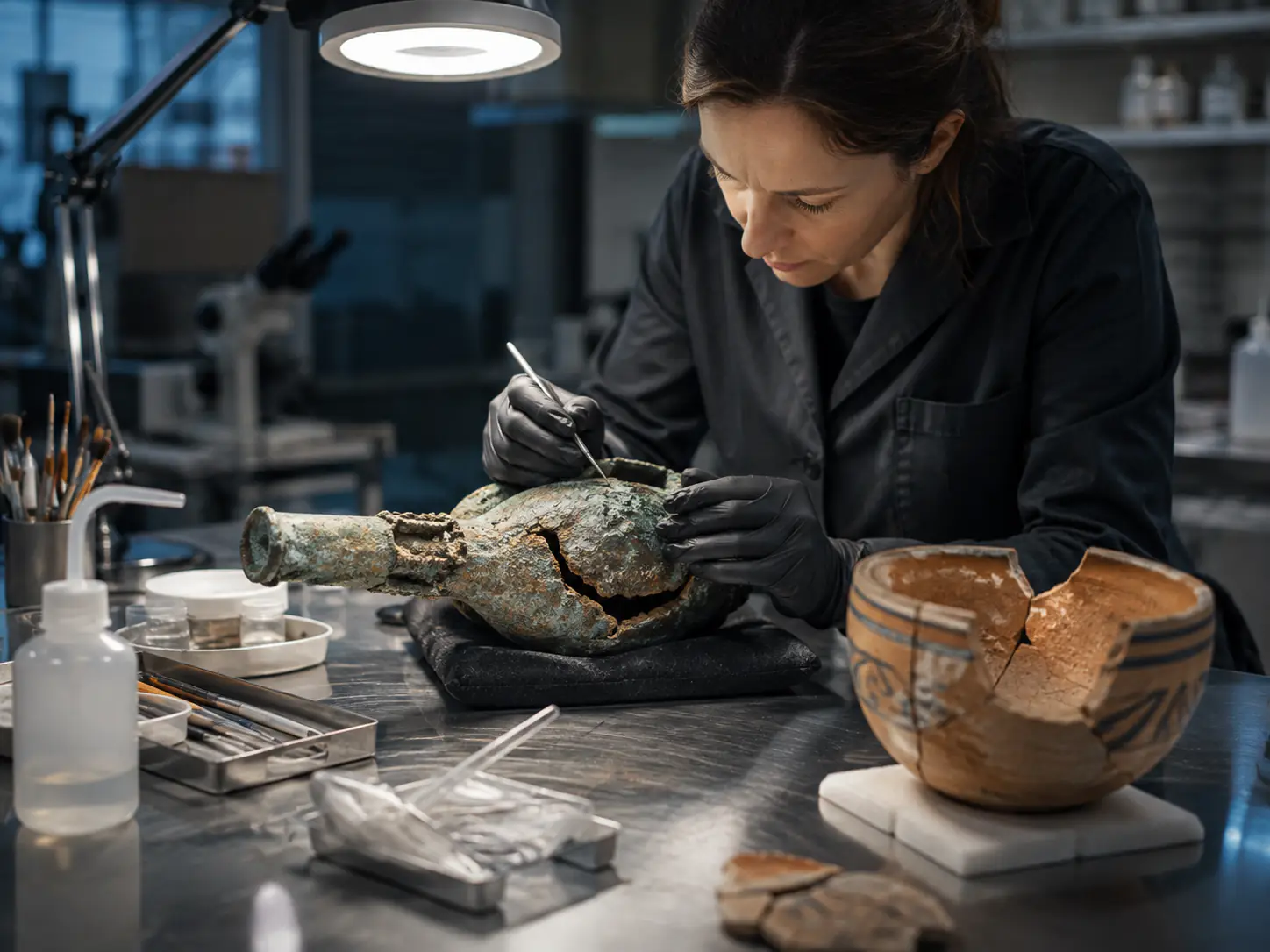
Soil, residues, corrosion products, and previous treatments can obscure surfaces and accelerate deterioration.
Cleaning must remove selected deposits while protecting patina, tool marks, coatings, joins, and fragile surfaces.
Stabilization and consolidation require repeatable settings, careful handling, and complete treatment records.
Extraction, cleaning, treatment, utilities, documentation, and safety controls must function as one workflow.
Recommended Systems
Coordinate extraction, cleaning, object support, treatment surfaces, utilities, and documentation within a controlled conservation laboratory.
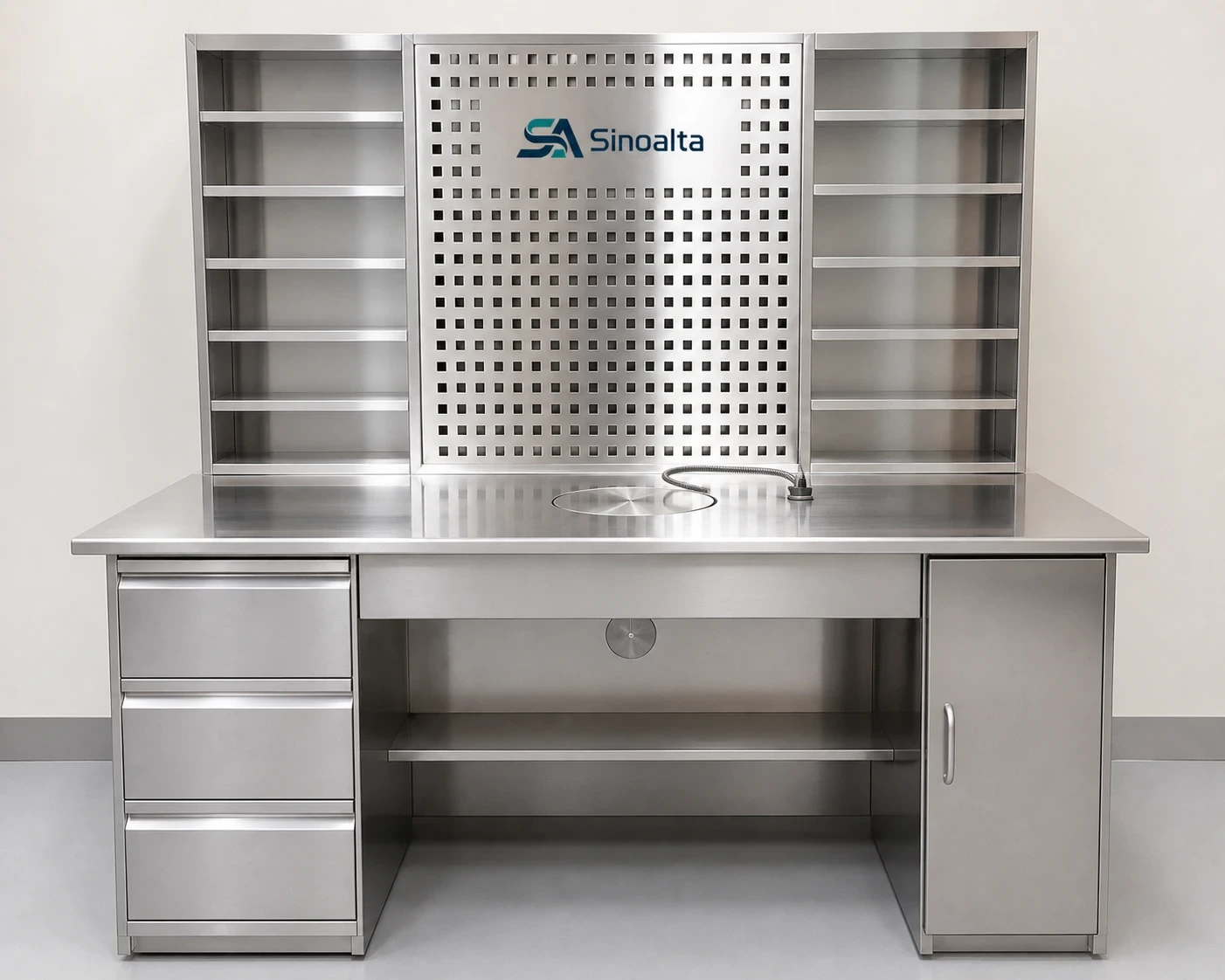
Captures treatment dust close to the work area while supporting examination, cleaning, and controlled hand treatment.
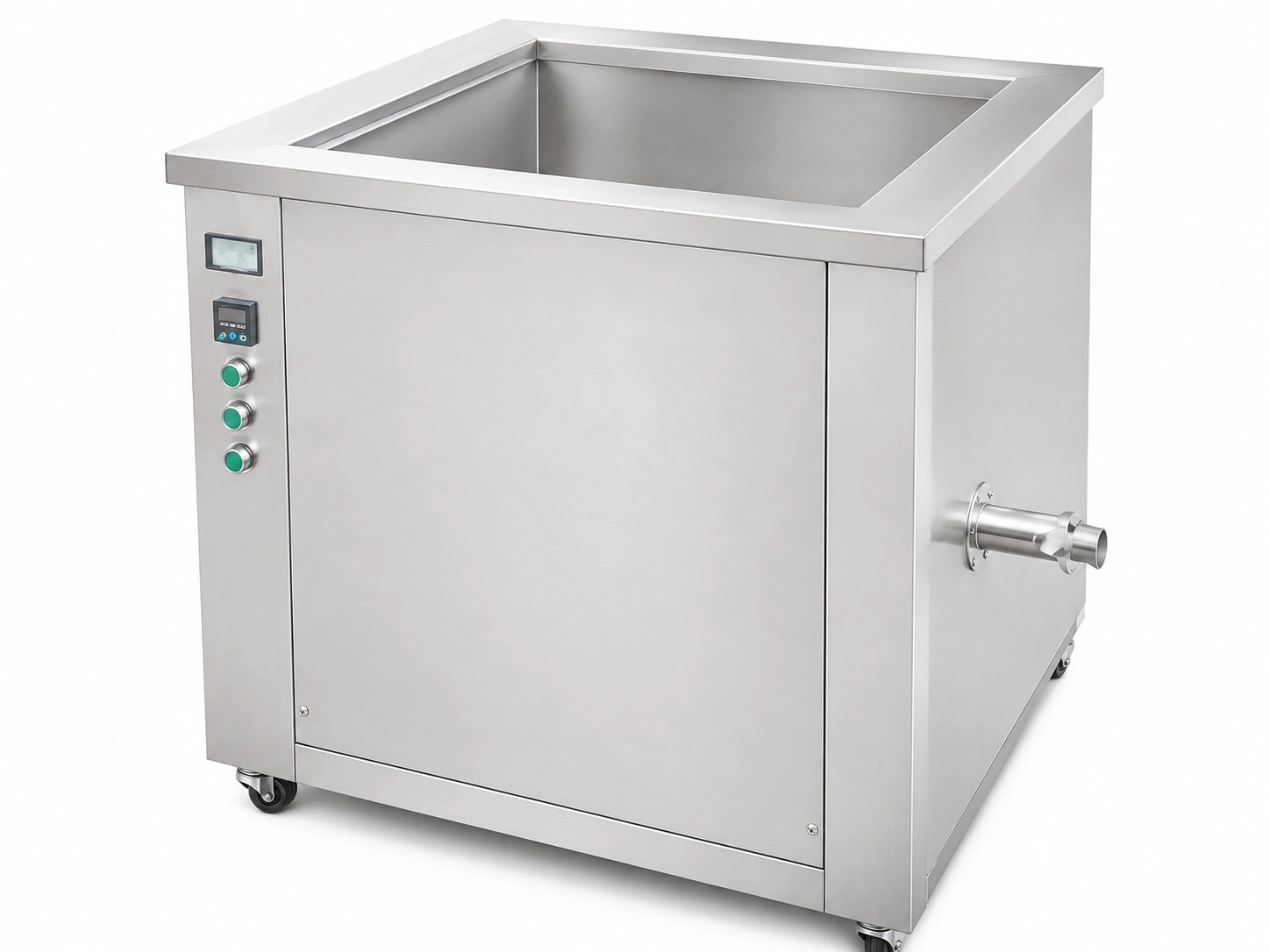
Controlled ultrasonic cleaning support for suitable metal and ceramic artifacts after material and condition assessment.
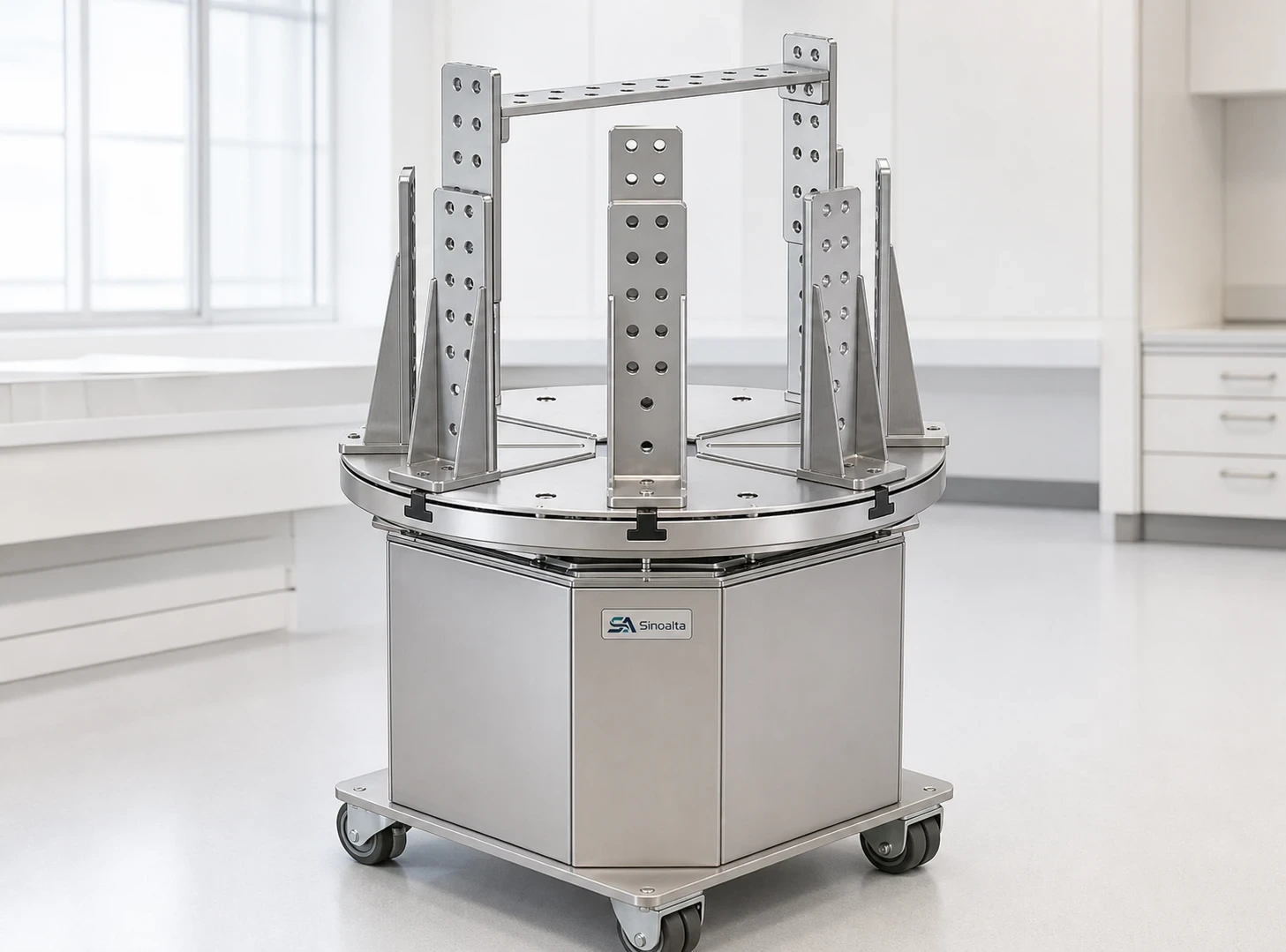
A dedicated platform for planned metal artifact reshaping, stabilization, examination, and mechanical treatment.
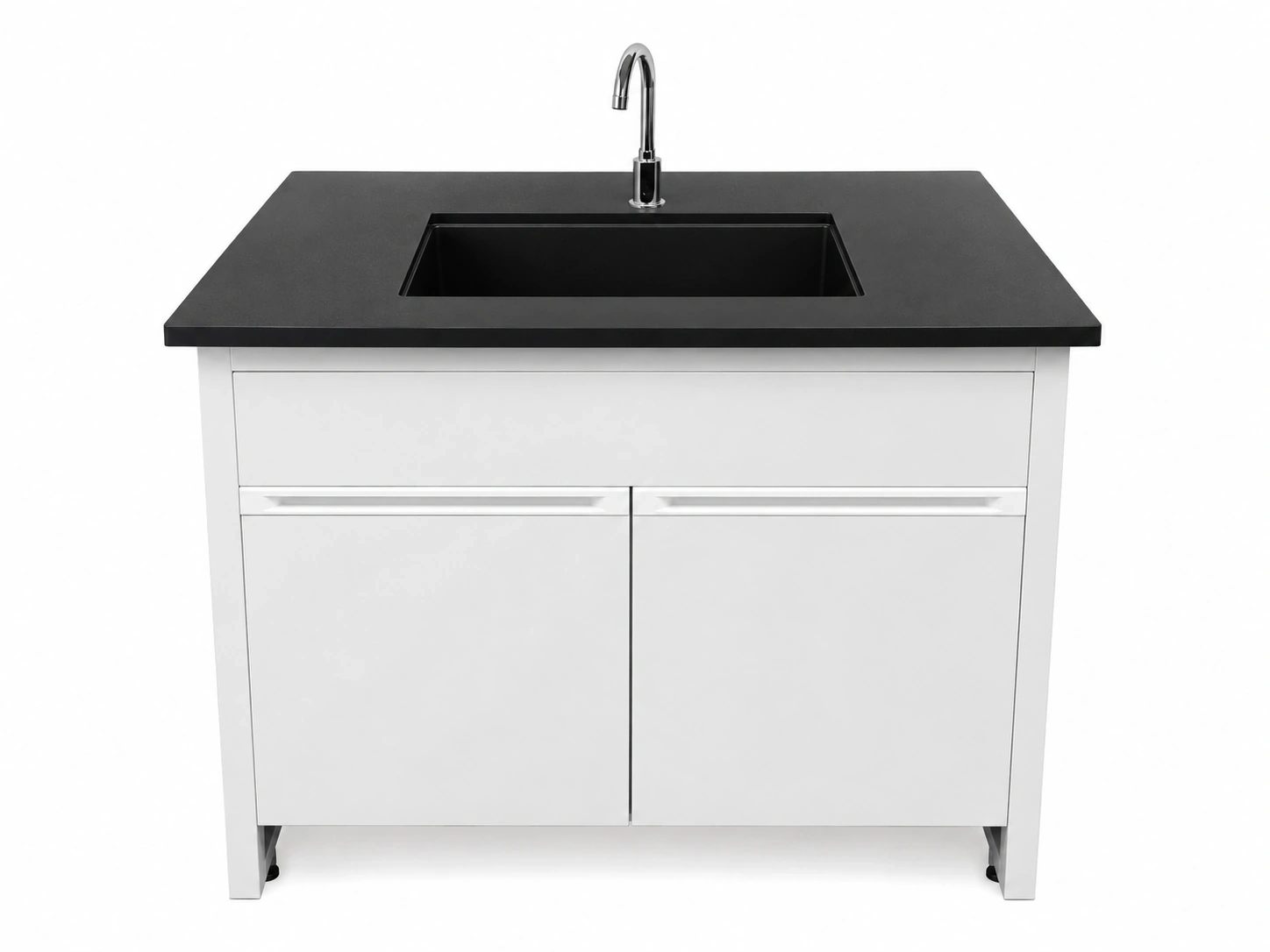
Modular side and central benches supporting coordinated cleaning, examination, treatment, and documentation areas.
Typical Applications
Supporting specialists and institutions responsible for the laboratory care of metal, ceramic, and mixed-material collections.
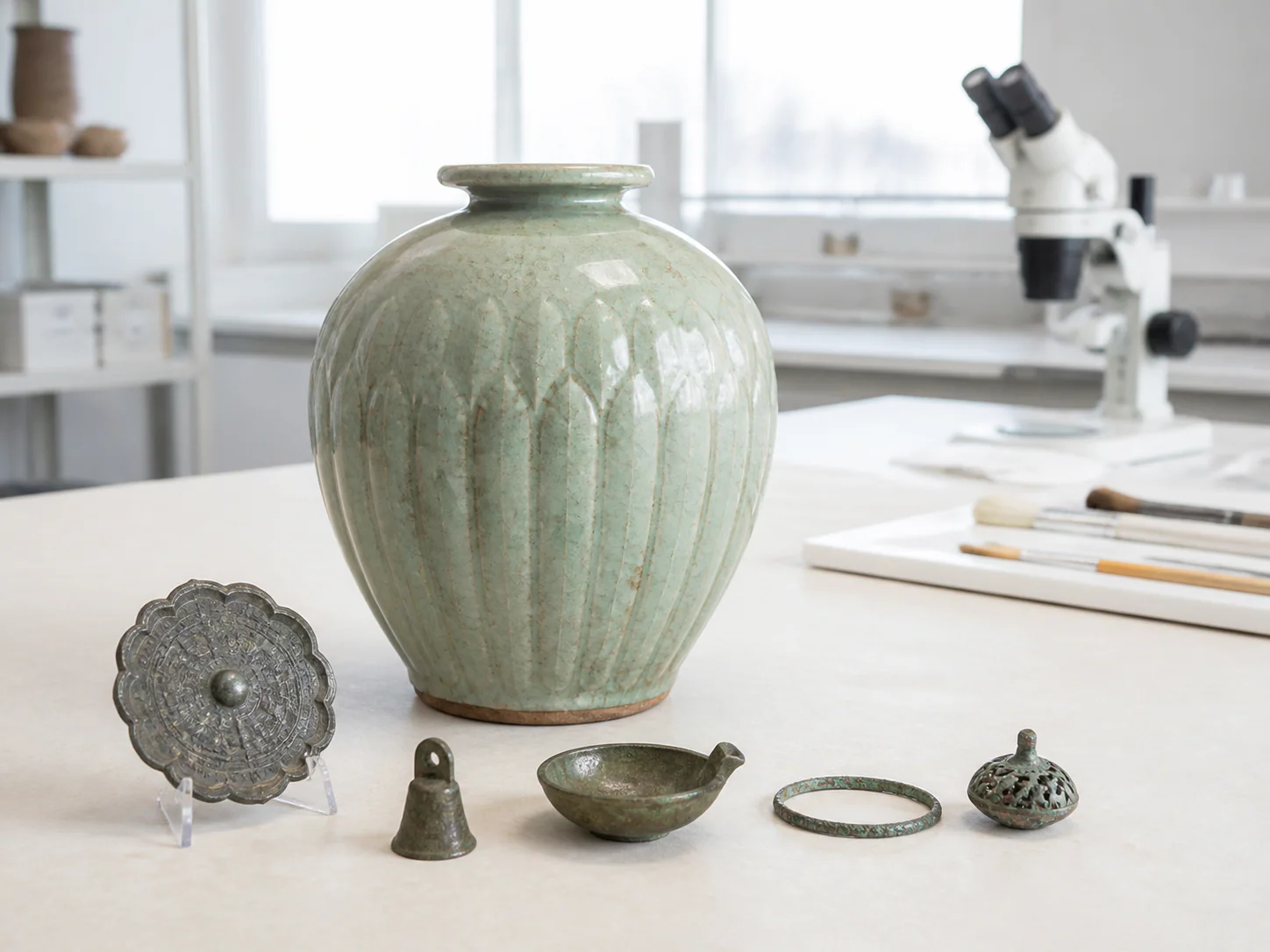
Collection laboratories preserving metal, ceramic, and mixed-material artifacts.
Controlled laboratory assessment, cleaning, stabilization, and documentation of collection objects.
Professional teams carrying out planned treatment for institutional and heritage projects.
Specialist spaces focused on individual objects, material research, and treatment.
Our Process
Review material, condition, corrosion, contamination, prior treatment, risks, and conservation goals.
Select cleaning, stabilization, extraction, reshaping, and documentation methods.
Plan workstations, cleaning equipment, utilities, storage, ventilation, and safe circulation.
Test, document, review, and refine the process against the intended conservation outcome.
Resources & Case Studies
Explore conservation planning for surface cleaning and stabilization.
Explore Case Studies →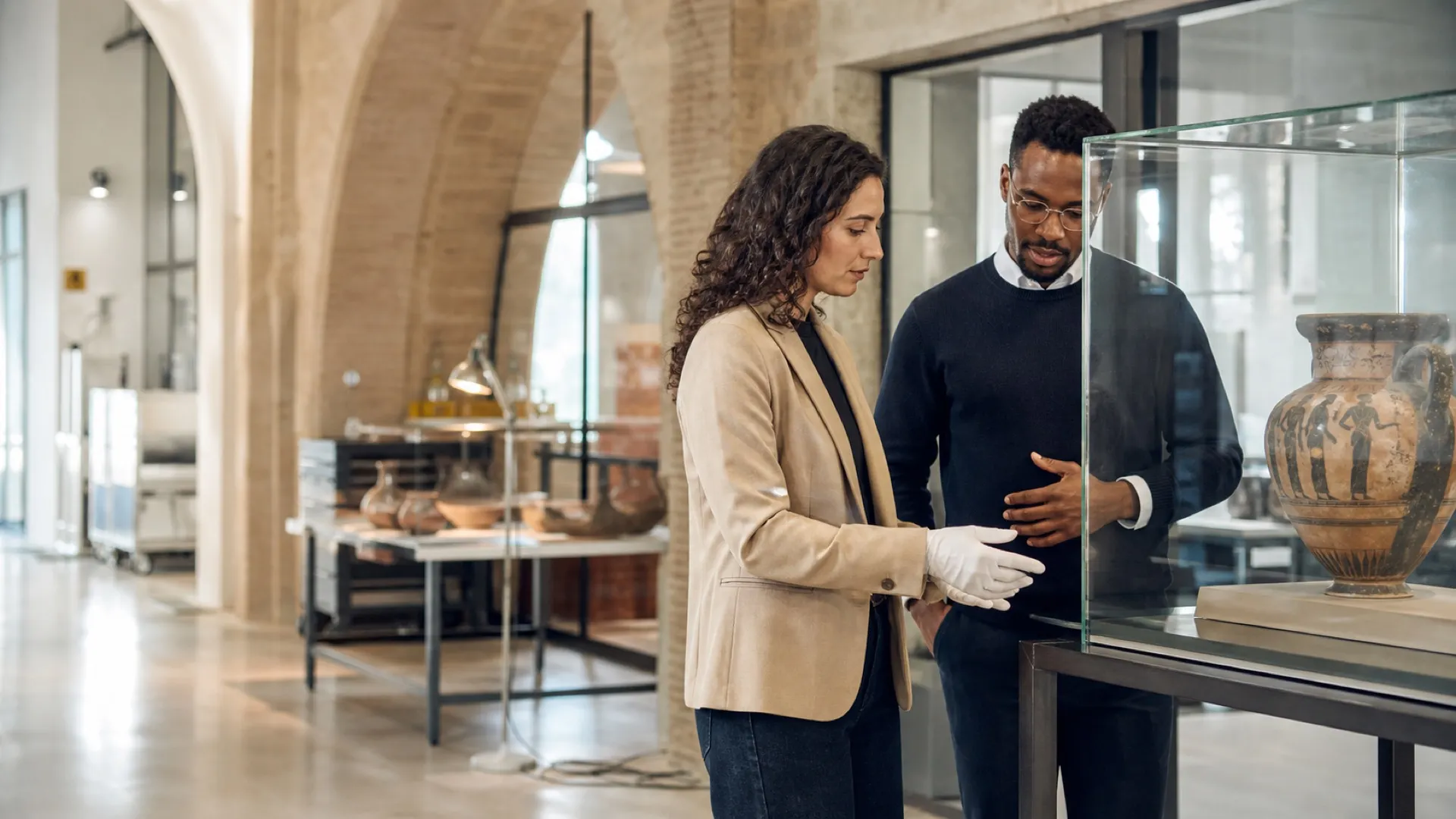
Selection considerations for sensitive historical surfaces.
Explore Guides →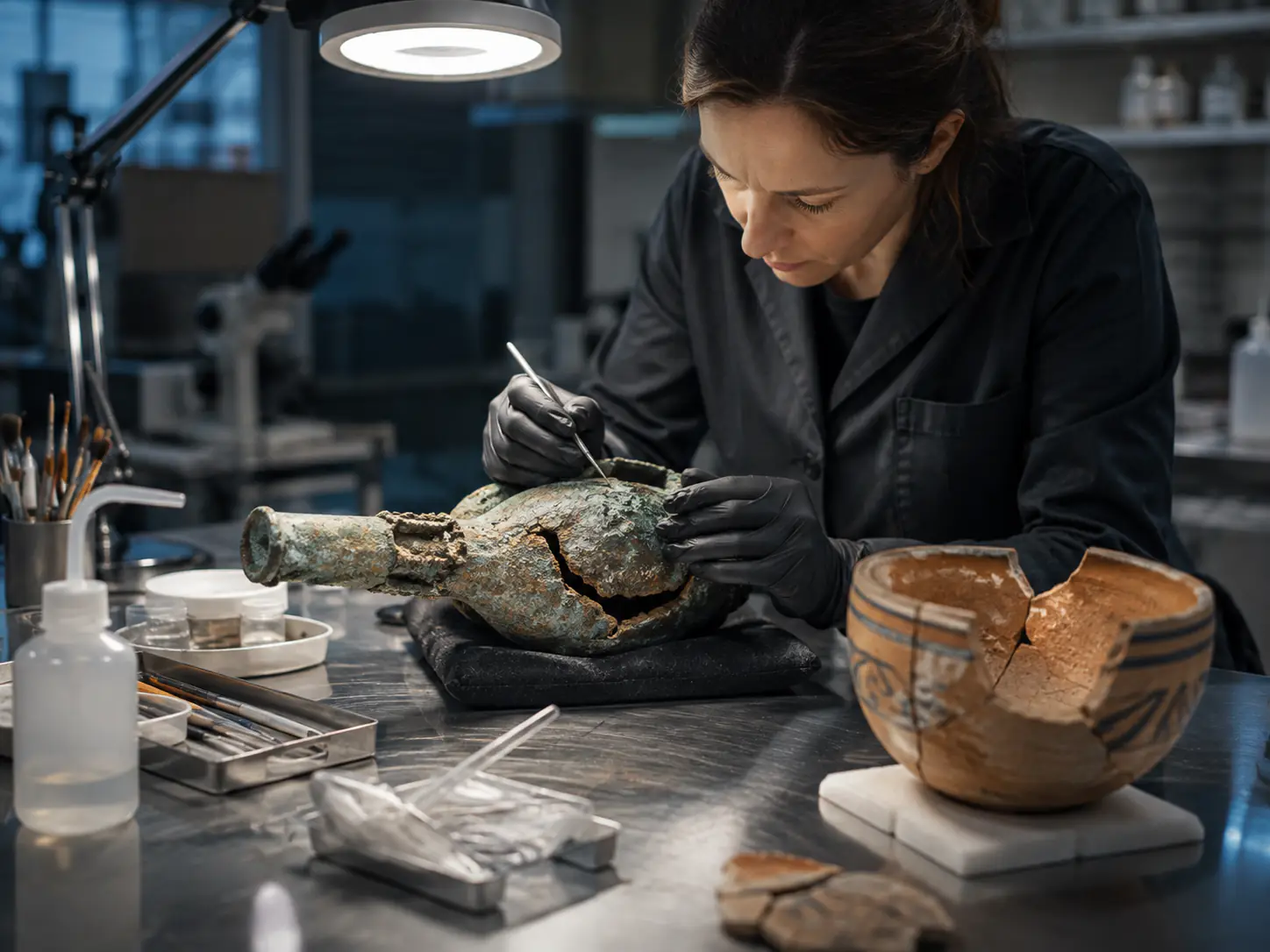
A structured workflow for suitable cleaning and stabilization methods.
Explore Guides →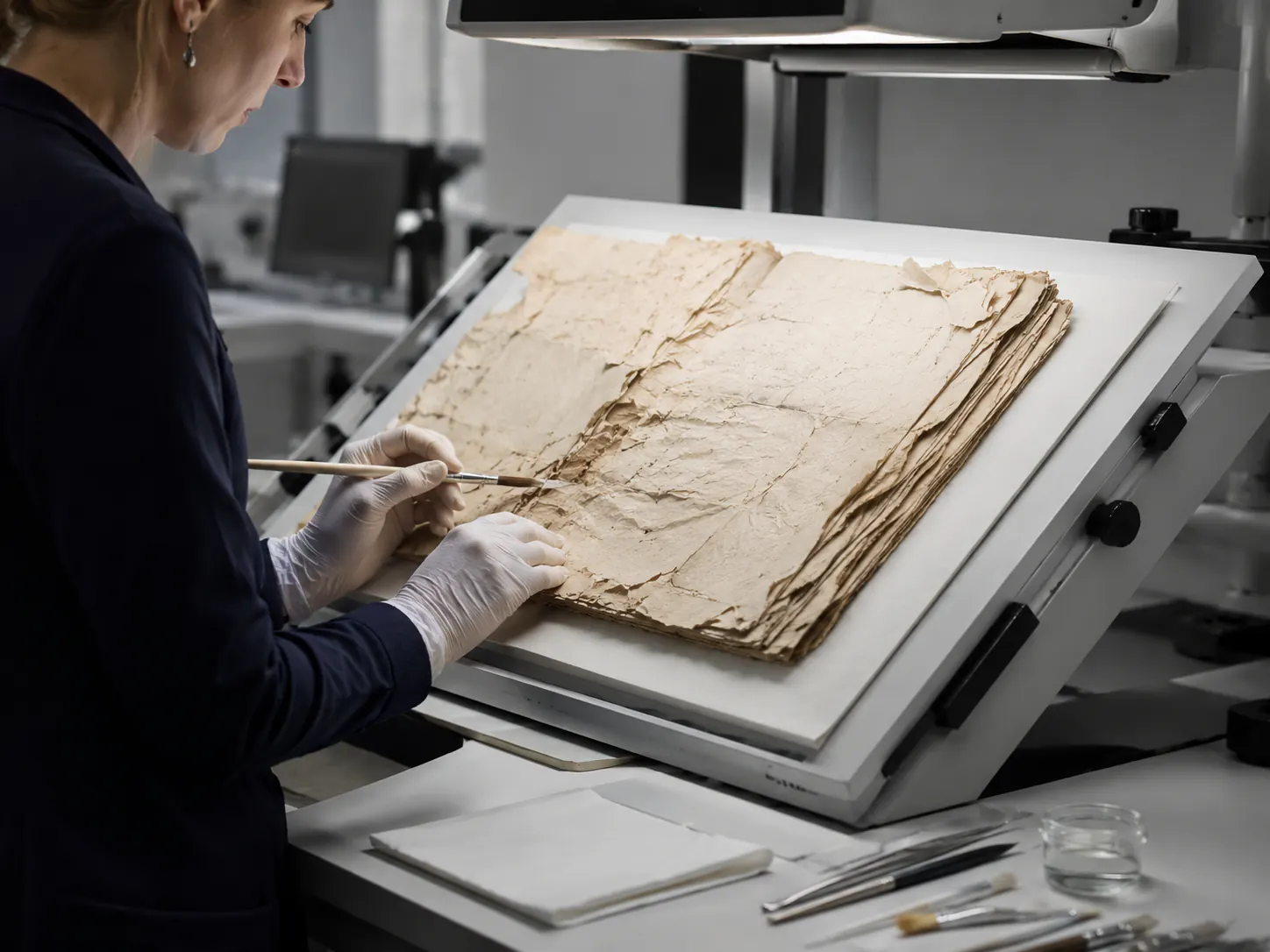
Review equipment, utilities, zoning, extraction, storage, and documentation needs.
Explore Downloads →
Common Questions
Metal and ceramic artifacts require different condition assessment, cleaning, stabilization, joining, and environmental decisions. Metals may present active corrosion, plated surfaces, patina, or incompatible components; ceramics may have porous bodies, glazes, salts, cracks, old joins, or fills. Mixed-material objects need additional caution. A shared laboratory can support both groups, but treatment tools, extraction, supports, solutions, and documentation should be selected for the individual object rather than standardized across materials.
Ultrasonic cleaning is appropriate only for objects whose material, construction, surface, and condition can tolerate the selected cleaning action and liquid environment. Conservators should assess corrosion, cracks, joins, coatings, inlays, patina, previous repairs, and hidden cavities, then test a controlled approach. It may be unsuitable for fragile, composite, porous, unstable, or historically coated objects. The system supports a treatment decision; it does not replace object-specific examination.
Patina and stable corrosion are protected by defining the treatment objective before cleaning and distinguishing significant surfaces from deposits selected for removal. Examination, magnification, testing, controlled tools, secure object support, localized extraction, and frequent review help limit unintended loss. Cleaning should stop when the agreed conservation outcome is reached. A visually bright surface is not automatically desirable, and aggressive treatment should not be used simply to make an artifact appear new.
Extraction and ventilation must be based on the materials being removed, treatment tools, particle or vapor hazards, object size, work duration, room layout, and applicable workplace controls. Local capture can help contain dust near the treatment area, while some processes may require separate ventilation or a different controlled space. Equipment selection should follow a project risk assessment; a general conservation workstation should not be assumed suitable for every chemical or hazardous-material procedure.
Workstations for large or heavy artifacts should be planned around verified dimensions and weight, stable support, lifting and transfer routes, conservator reach, tool access, extraction position, utilities, documentation, and safe circulation. Modular benches or dedicated supports may be preferable when objects exceed a standard work surface. Configuration should also protect fragile projections and allow treatment without repeated repositioning. Structural capacity and handling procedures require project-specific confirmation before installation or use.
Ready to Start Your Project?
Share the objects, condition, treatment methods, laboratory space, utilities, and project goals to configure the appropriate workflow.