
Material Stability
Acidic paper, brittle supports, sensitive media, bindings, coatings, and earlier repairs influence handling, access, and treatment priorities.
Collection Preservation Solutions
Plan an integrated archive conservation program for rare books, records, manuscripts, and mixed documentary collections. We connect collection assessment, preventive care, treatment priorities, protective packaging, storage, access, and emergency readiness around institutional needs.
Preservation Challenges
Build a document preservation plan that balances material condition, significance, access, resources, and interacting risks across the collection.
Acidic paper, brittle supports, sensitive media, bindings, coatings, and earlier repairs influence handling, access, and treatment priorities.
Dust, mold evidence, pests, water exposure, poor enclosures, and handling damage require coordinated assessment before specialist intervention.
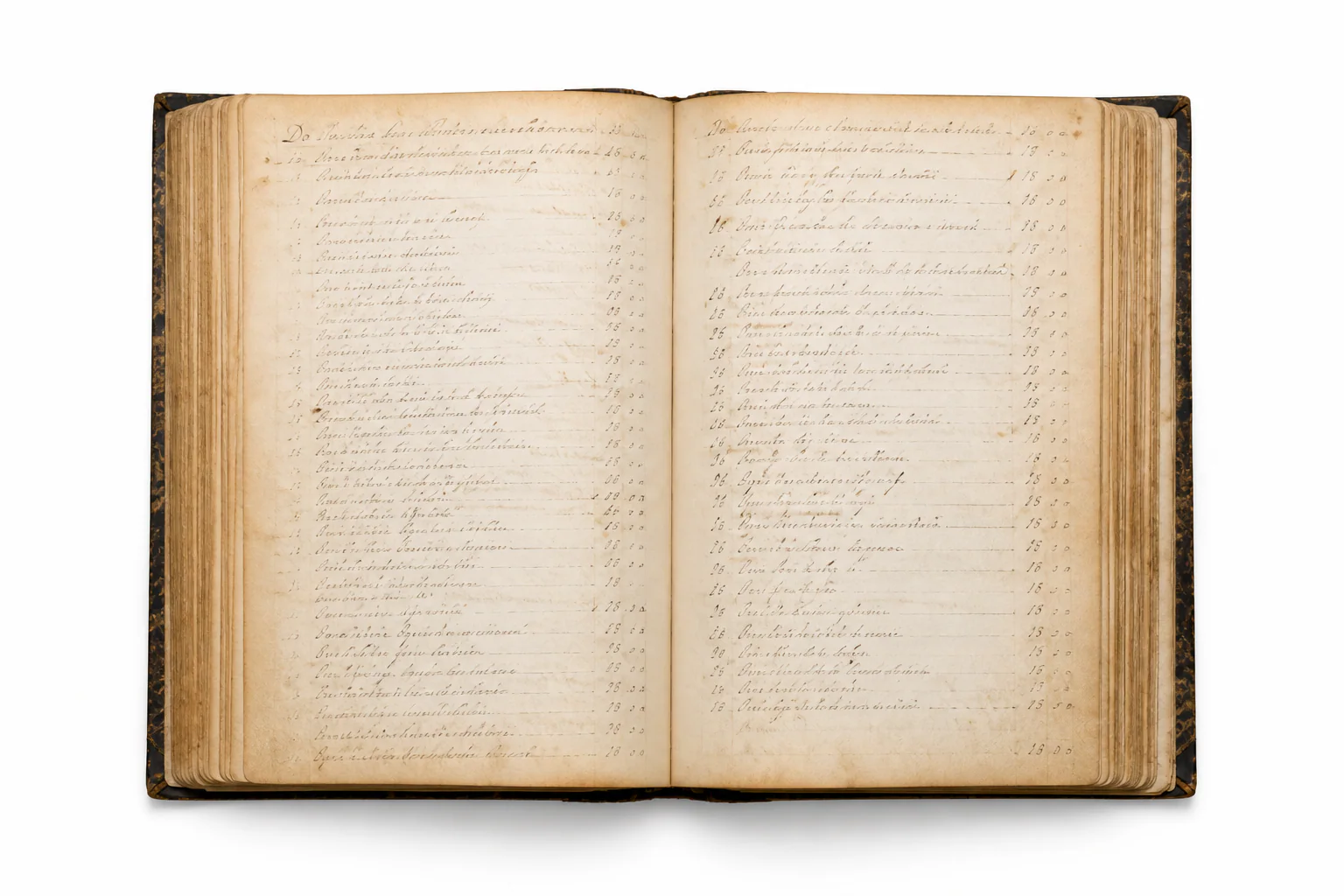
Condition, significance, use, scale, and material compatibility determine whether items need stabilization, specialist treatment, or improved housing.
Surveying, triage, treatment referrals, digitization, packaging, storage, and emergency readiness must work as one documented program.
Recommended Systems
Connect appropriate systems to distinct stages of a collection-level preservation workflow, with specialist methods assessed on their dedicated solution pages.
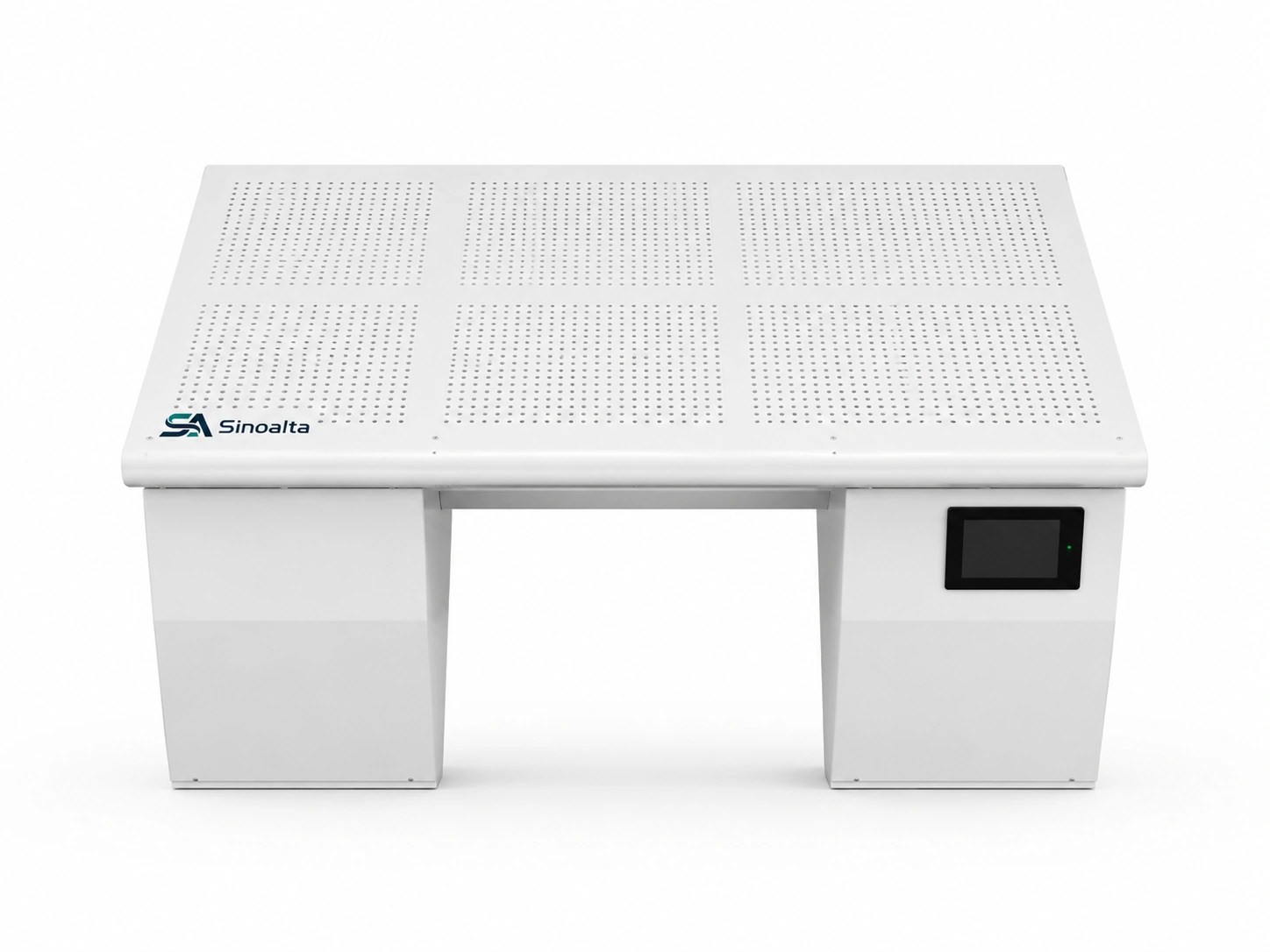
Controlled extraction and work support for manual surface cleaning of suitable books and documents.
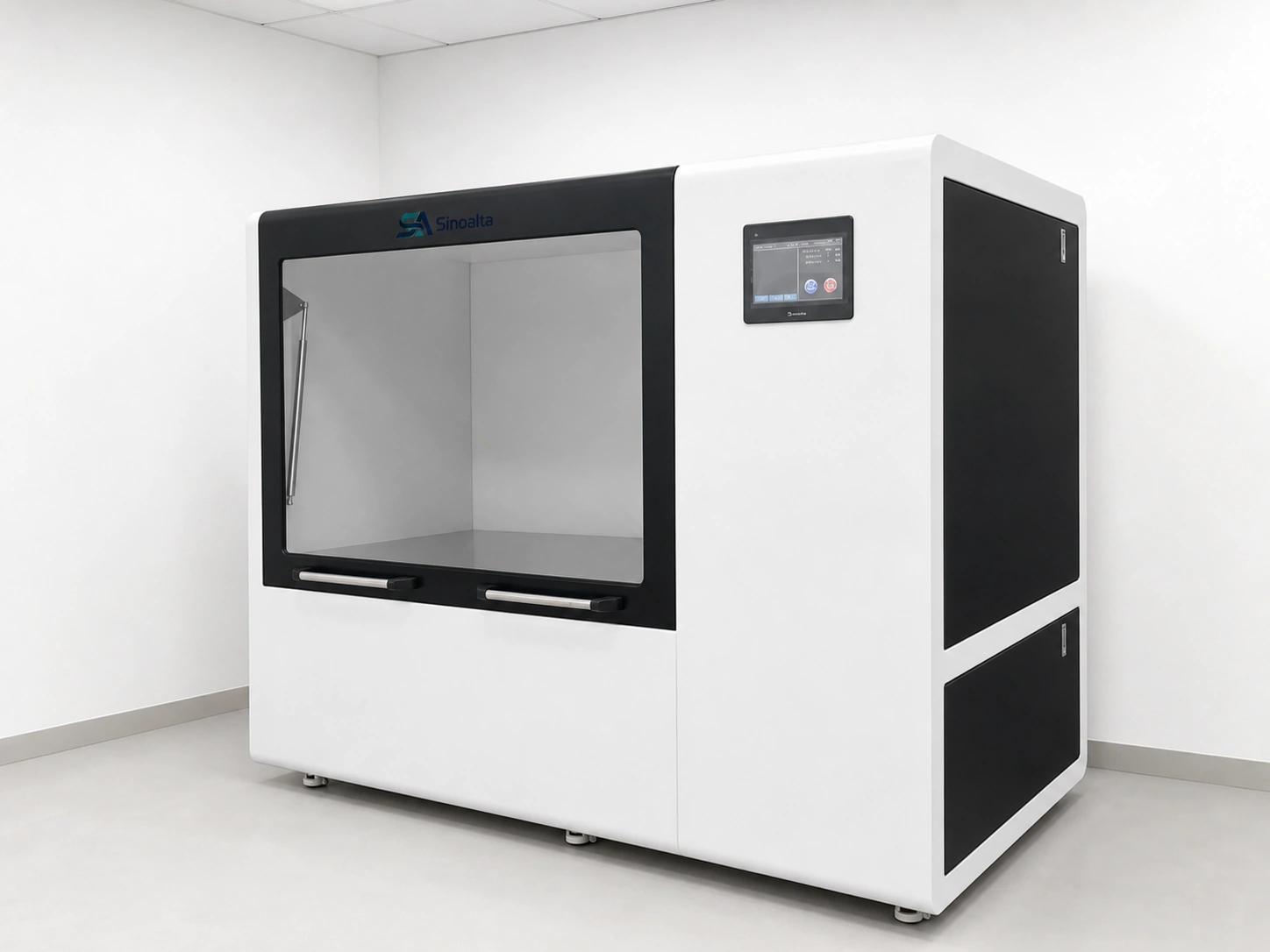
Automated spray treatment for suitable paper collections following material and media assessment.
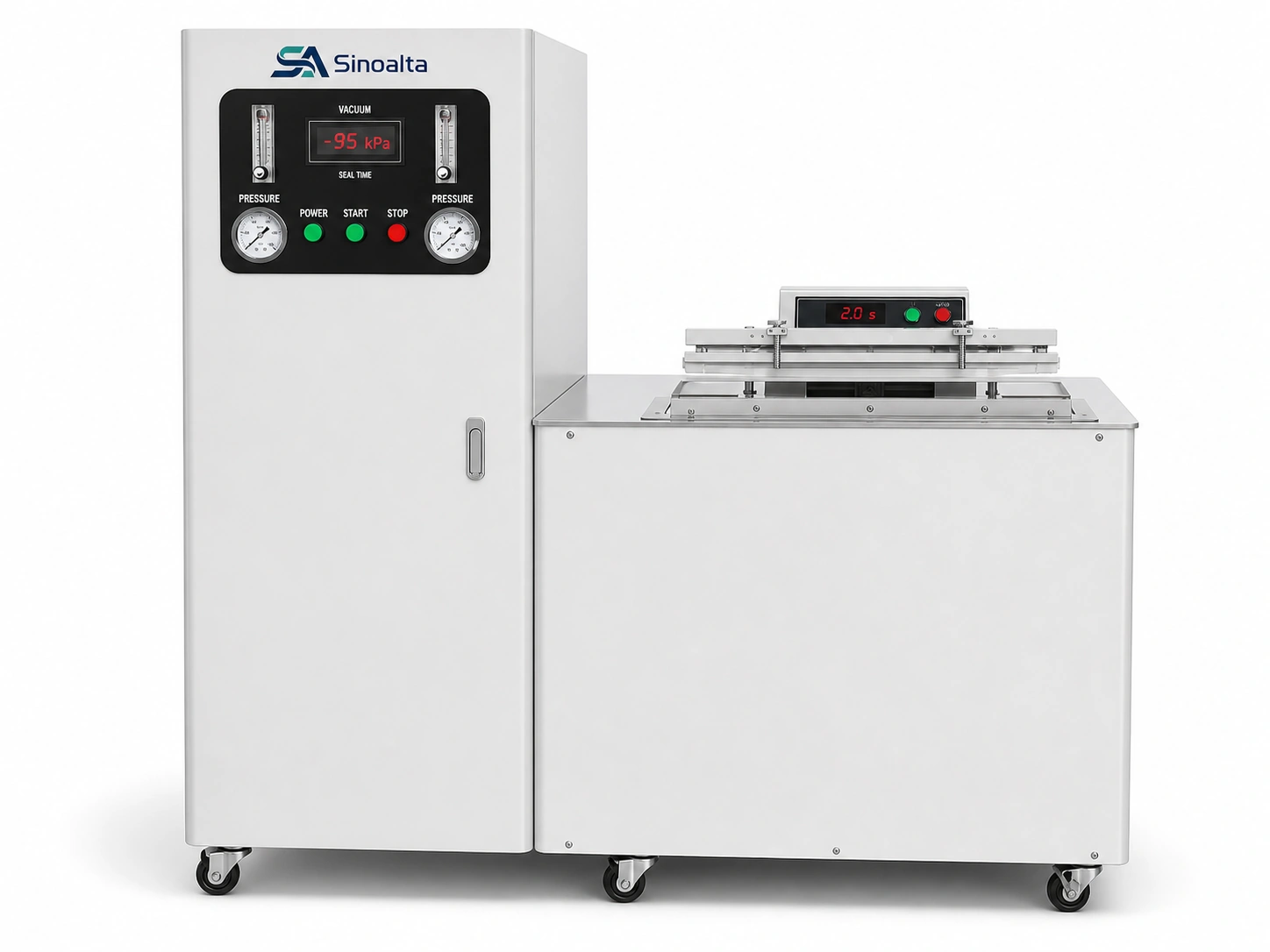
Protective packaging support for selected archival materials and long-term collection-care workflows.
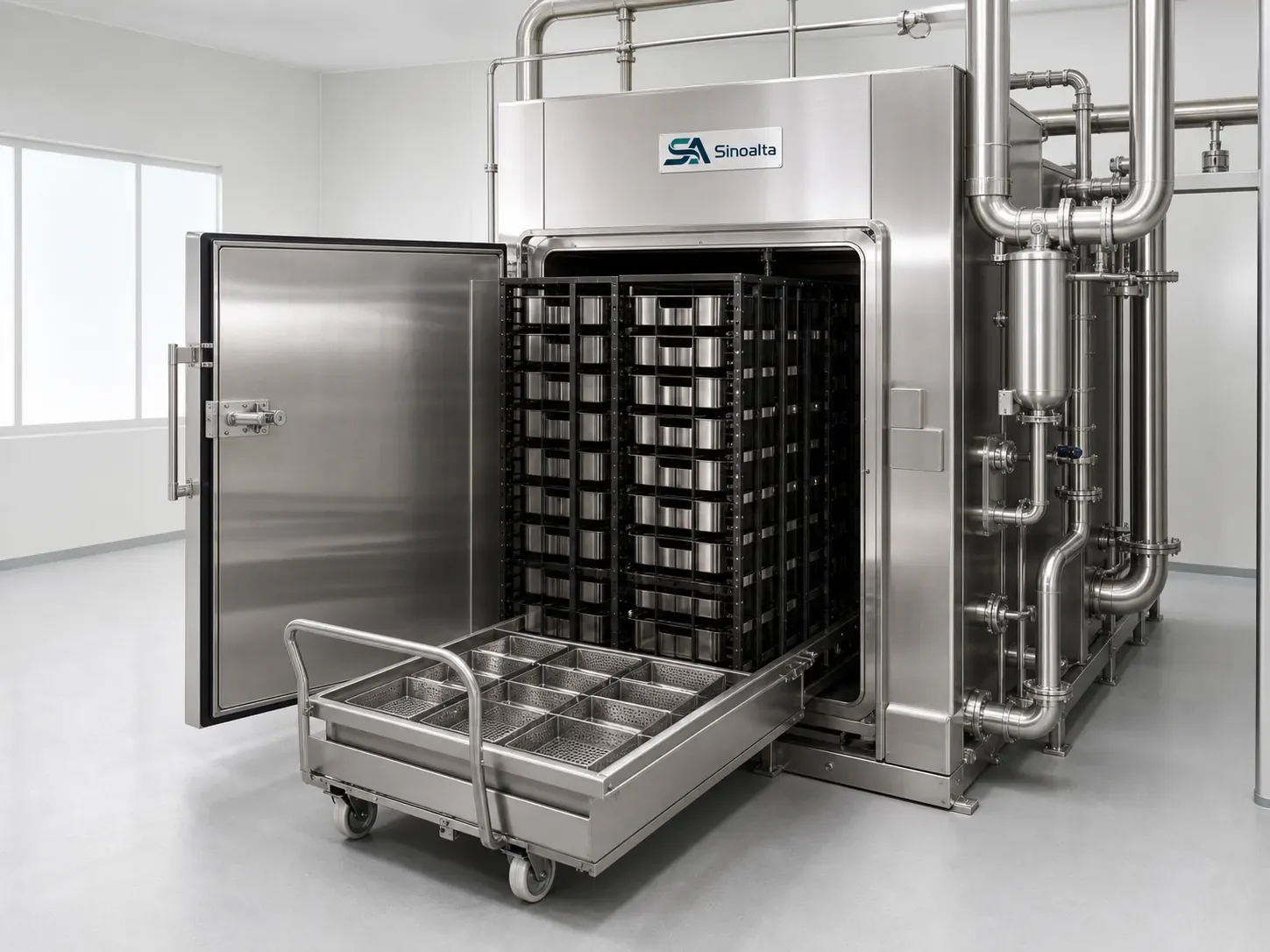
Controlled freeze drying for suitable frozen materials within a documented emergency-recovery pathway.
Typical Applications
Across institutions that protect paper-based collections and sustain long-term access.
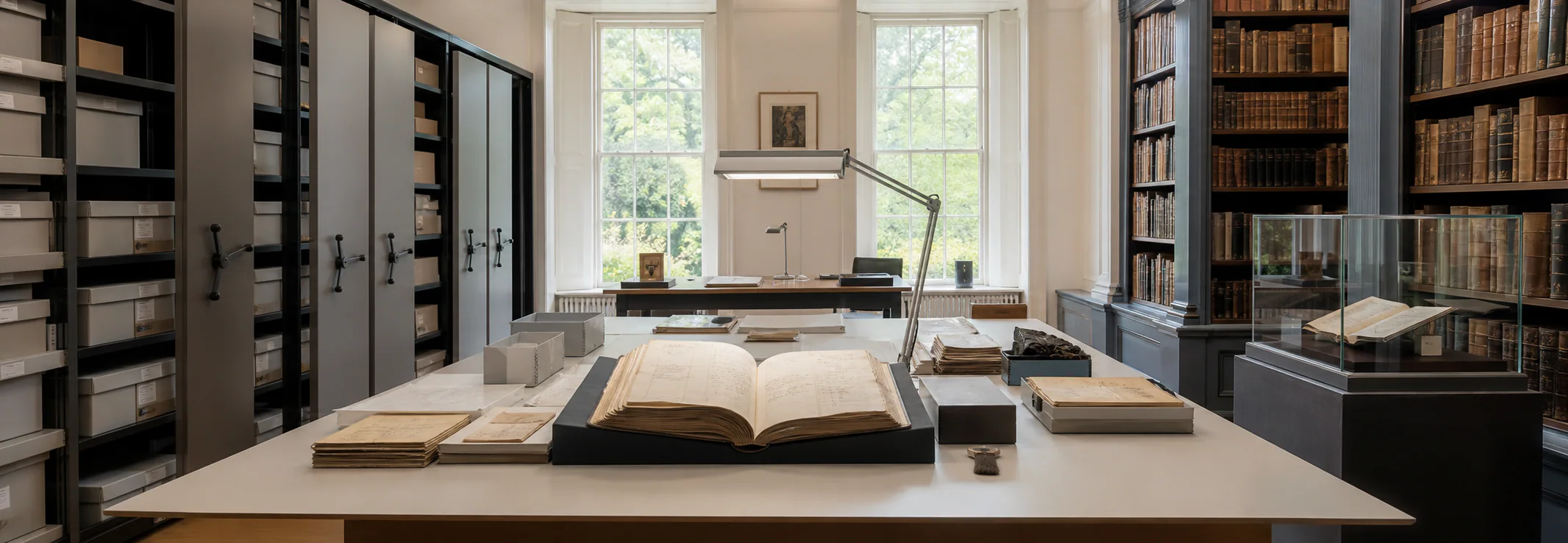
Government, institutional, corporate, and historical records requiring long-term access.
Rare books, local-history materials, circulating collections, and documentary holdings.
Research collections, manuscripts, maps, works on paper, and specialist archives.
Paper artifacts, exhibition materials, archives, and mixed documentary collections.
Business, legal, technical, and institutional records requiring managed preservation.
Our Process
Assess paper types, inks, bindings, contamination, damage, environment, and priorities.
Sequence cleaning, treatment, digitization, packaging, recovery, storage, and access.
Select suitable systems, configurations, capacity, interfaces, and documentation requirements.
Complete packaging, storage, records, monitoring, and future collection-care planning.
Resources
Compare mass, spray and immersion routes for acidic paper, books and archival collections.
Explore Solution →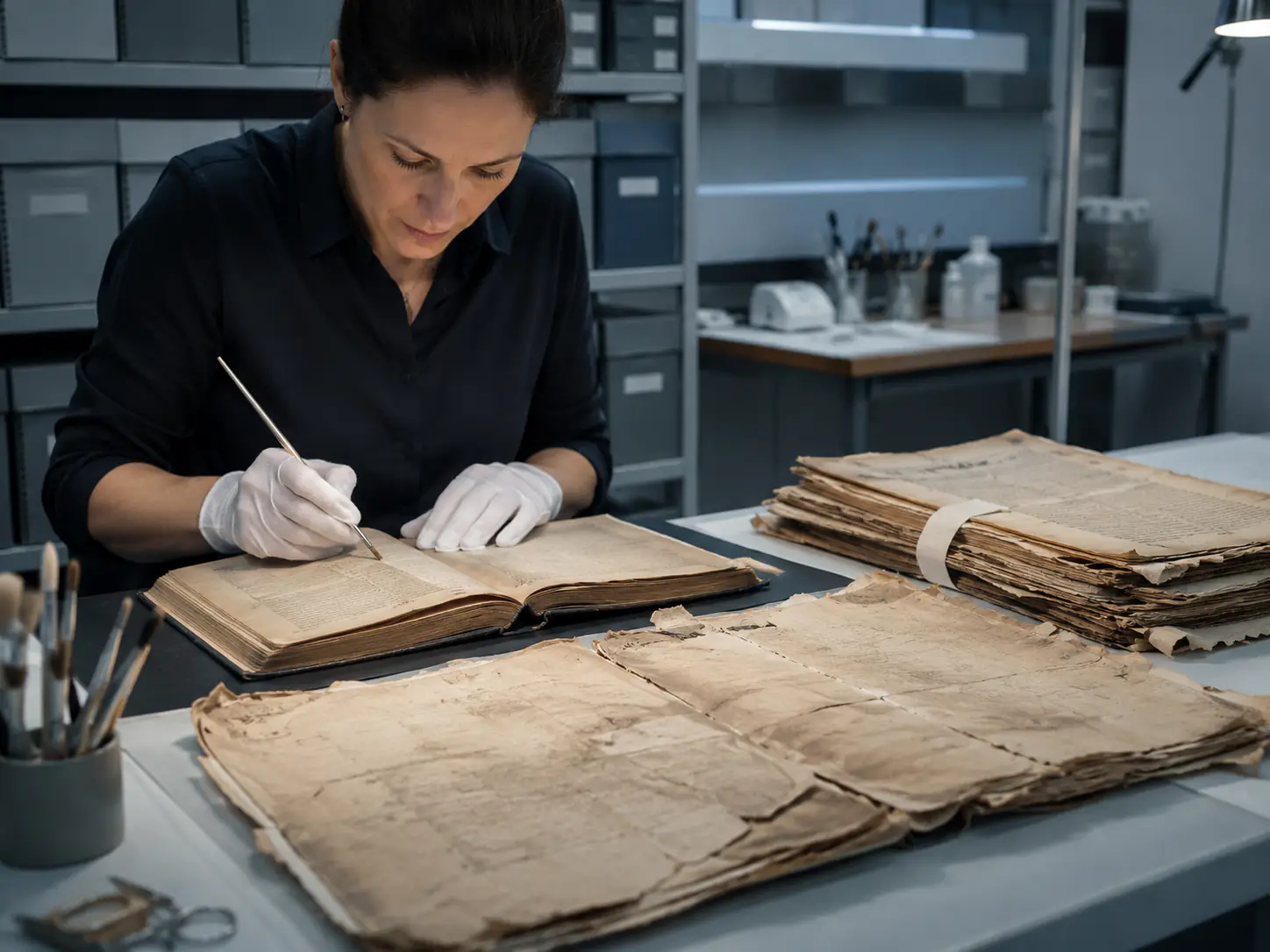
Plan triage, freezing, drying and documentation for water-damaged archives and books.
Explore Solution →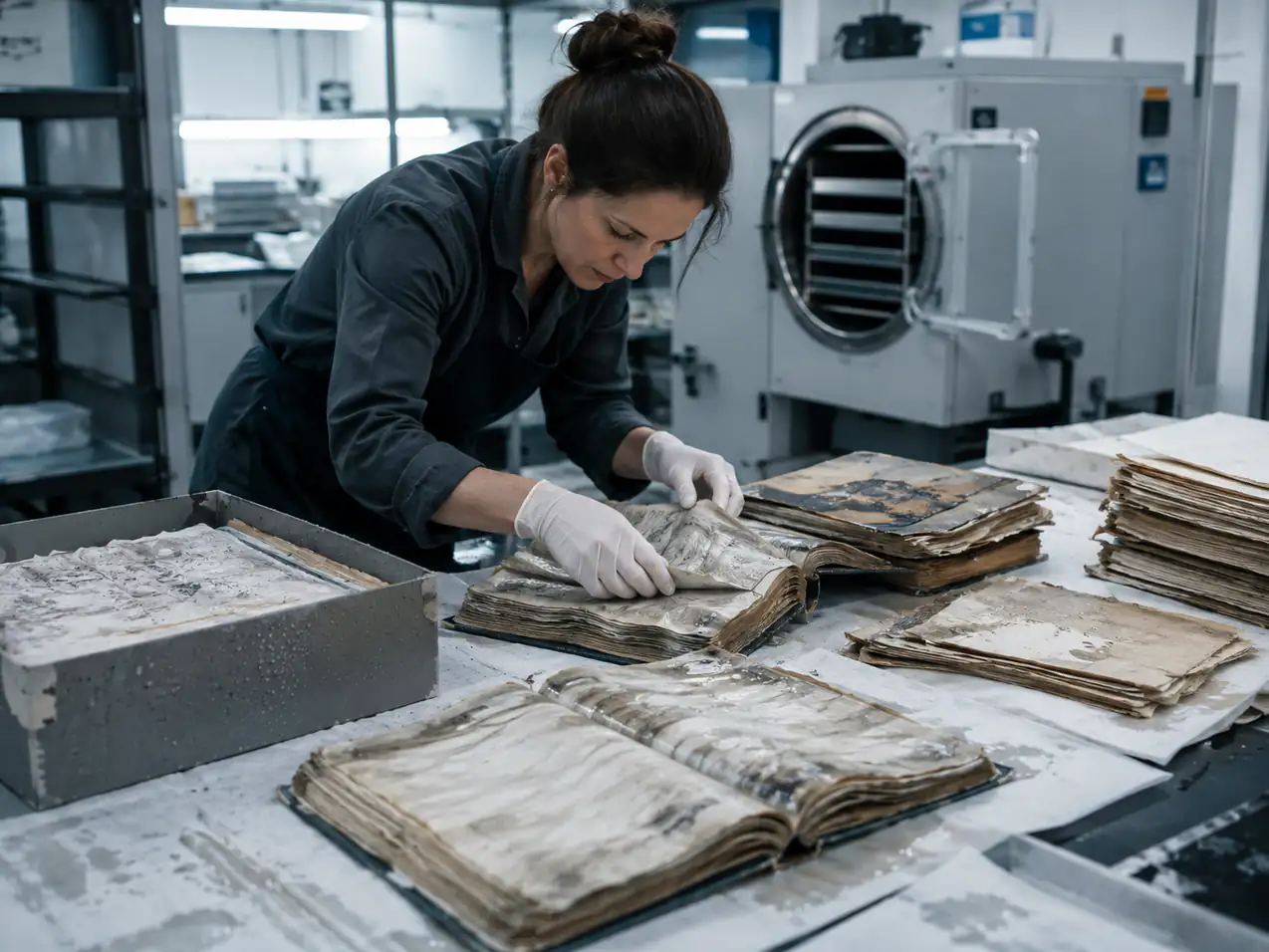
Review collection housing, storage and handling considerations for long-term care.
Explore Guides →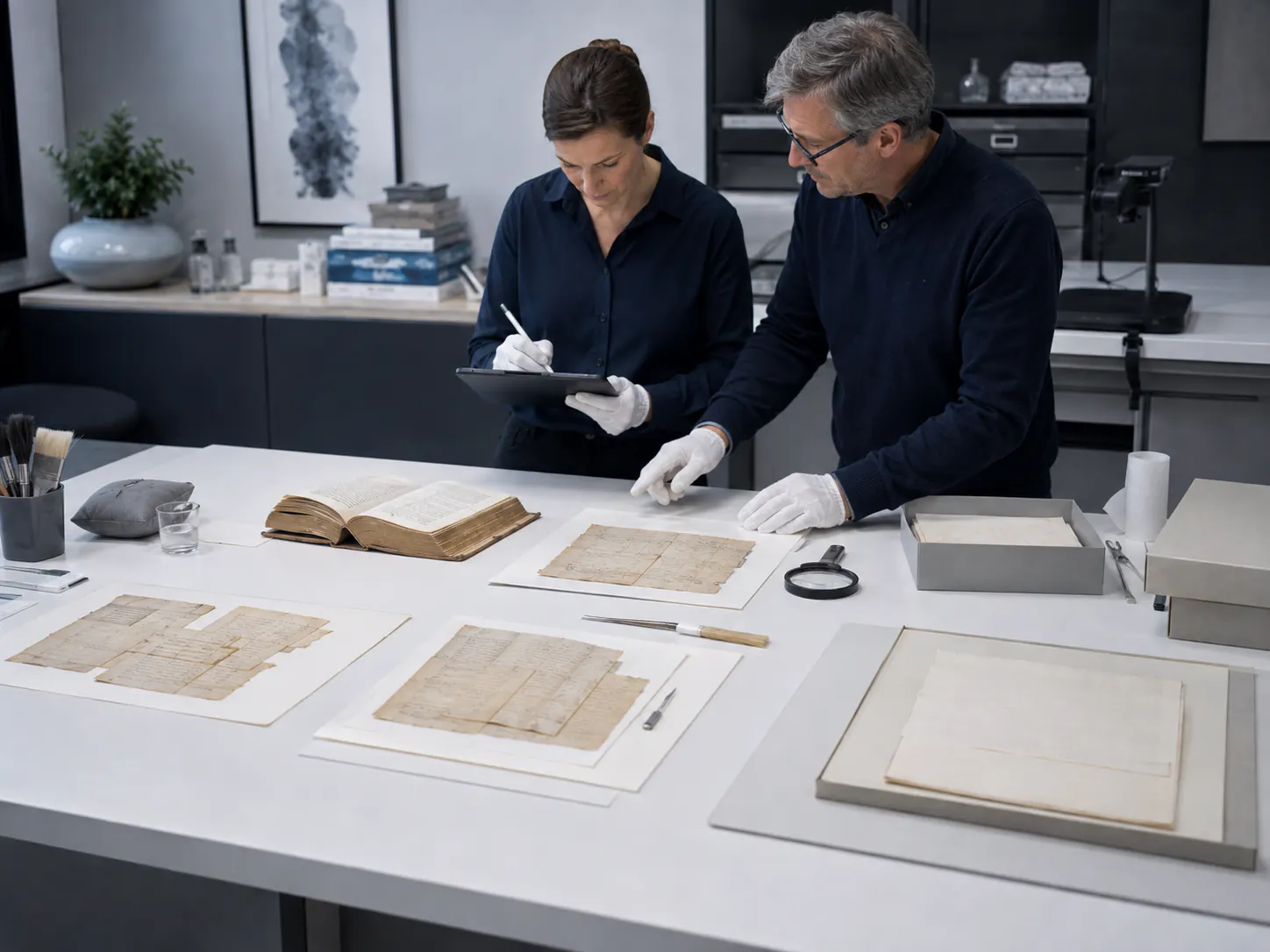
View published equipment and factory content, with more workflow topics in preparation.
Watch Videos →
FAQs
An archive conservation program coordinates assessment, priorities, preventive care, treatment referrals, housing, storage, access, and emergency readiness. Its scope depends on collection types, condition, significance, use, available facilities, staffing, and budget. It does not mean applying one treatment to every item. Specialist needs such as paper deacidification, mold remediation, or water-damage recovery should be assessed separately and connected to the overall document preservation plan.
Prioritize work through a collection survey that considers active deterioration, handling risk, significance, demand, treatment feasibility, and the consequences of delay. Stabilization and safe access usually come before cosmetic improvement. Digitization can reduce handling but does not preserve the physical object by itself. Items requiring deacidification, contamination control, or water recovery should move into the relevant specialist workflow after compatibility and safety screening.
Mixed collections are assessed by material group, format, condition, housing, environment, use, and shared risk rather than as a single paper category. Books, loose records, coated papers, photographs, adhesives, and composite objects can respond differently to moisture, cleaning, and treatment. A representative survey identifies priorities and exceptions; conservators should then examine sensitive or high-value items individually before any batch process is selected.
Yes, many archive preservation systems can be integrated after reviewing the room, utilities, ventilation, environmental conditions, object movement, safety controls, staffing, and expected throughput. The equipment should support the institution’s existing collection-care workflow rather than create disconnected treatment steps. Where the building cannot safely accommodate a specialist process, the plan may use phased upgrades, a dedicated treatment zone, or referral to an external conservation provider.
Capacity planning starts with collection volume, formats, condition groups, treatment priorities, annual intake, staffing, available space, utilities, quality-control steps, and project deadlines. Throughput should be based on the complete workflow—including assessment, preparation, treatment, drying or packaging, documentation, and movement—not only equipment cycle time. Share representative object dimensions and known exceptions so systems can be configured without assuming that every item follows the same route.
Collection Preservation
Share the collection profile, risks, treatment volume, existing facilities, and long-term goals to define the right preservation pathway.


