Embrittlement
Paper becomes fragile and prone to breaking.
Paper & Book Treatment Systems
Compare mass, spray, and immersion deacidification workflows for acidic paper, books, documents, and archival collections.
The Challenge
Acidic paper may become discolored, weak, and brittle over time. A deacidification project begins with condition, material, and media assessment because treatment can slow acid-driven deterioration but cannot reverse existing physical damage.
Paper becomes fragile and prone to breaking.
Yellowing and staining reduce readability and value.
Advanced degradation can lead to permanent information loss.
When This Solution Is Needed
Our Recommended Deacidification Workflow
Review paper, media, bindings, condition, and treatment objectives before testing.
Choose mass, spray, or immersion deacidification according to material compatibility and workflow.
Document, surface clean, test, and prepare suitable items for controlled treatment.
Apply the selected deacidification process under a documented project protocol.
Include rinsing only when the chosen aqueous treatment and material assessment require it.
Dry or condition materials appropriately, then document and verify the agreed treatment outcome.
Recommended Equipment
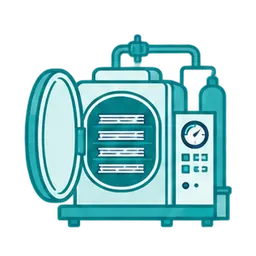
Batch-processing equipment for controlled deacidification of compatible loose sheets and folios.
View system →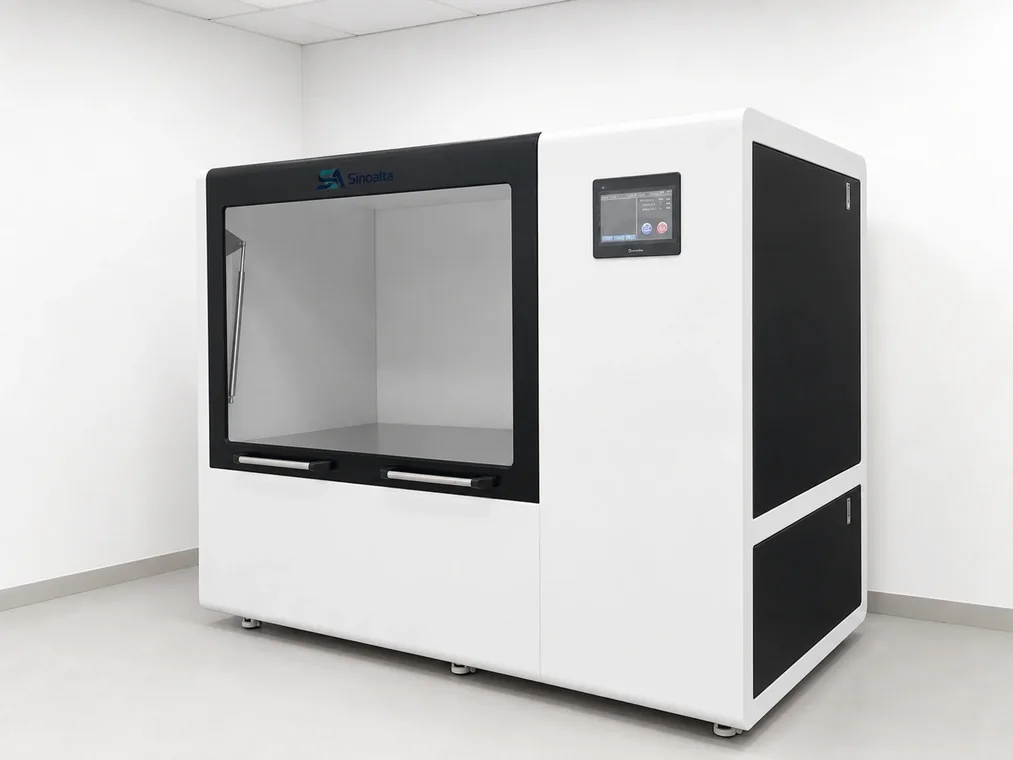
A contained workstation supporting targeted spray deacidification and operator-controlled application.
View workstation →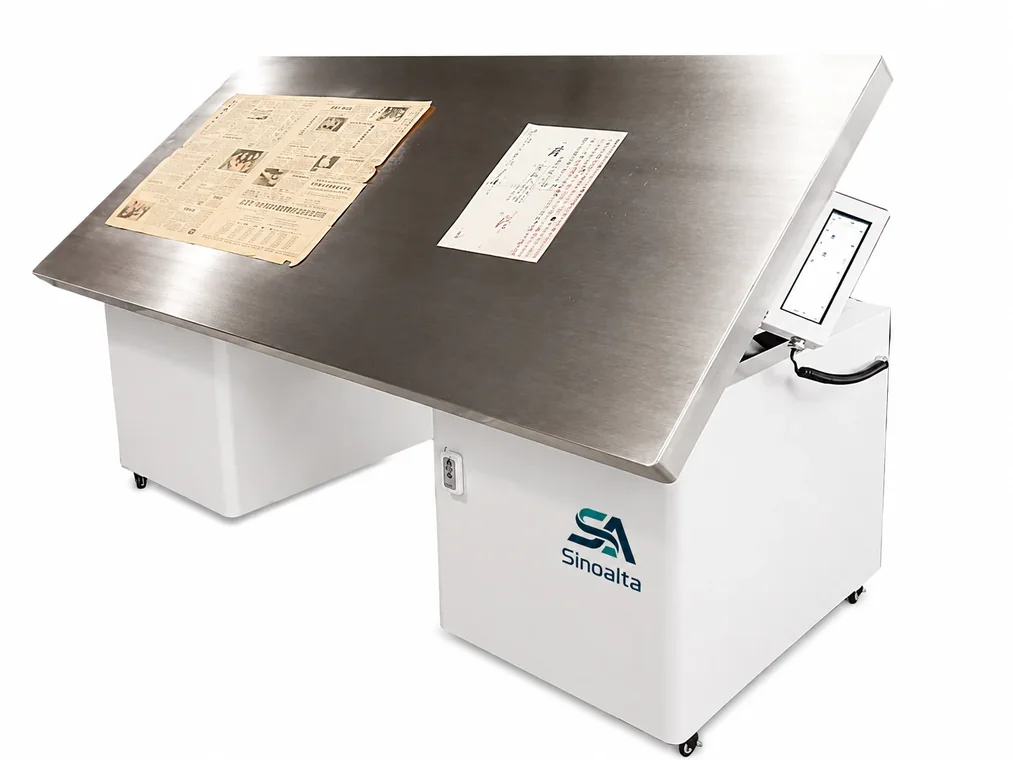
Equipment for immersion deacidification of compatible bound books and paper materials.
View system →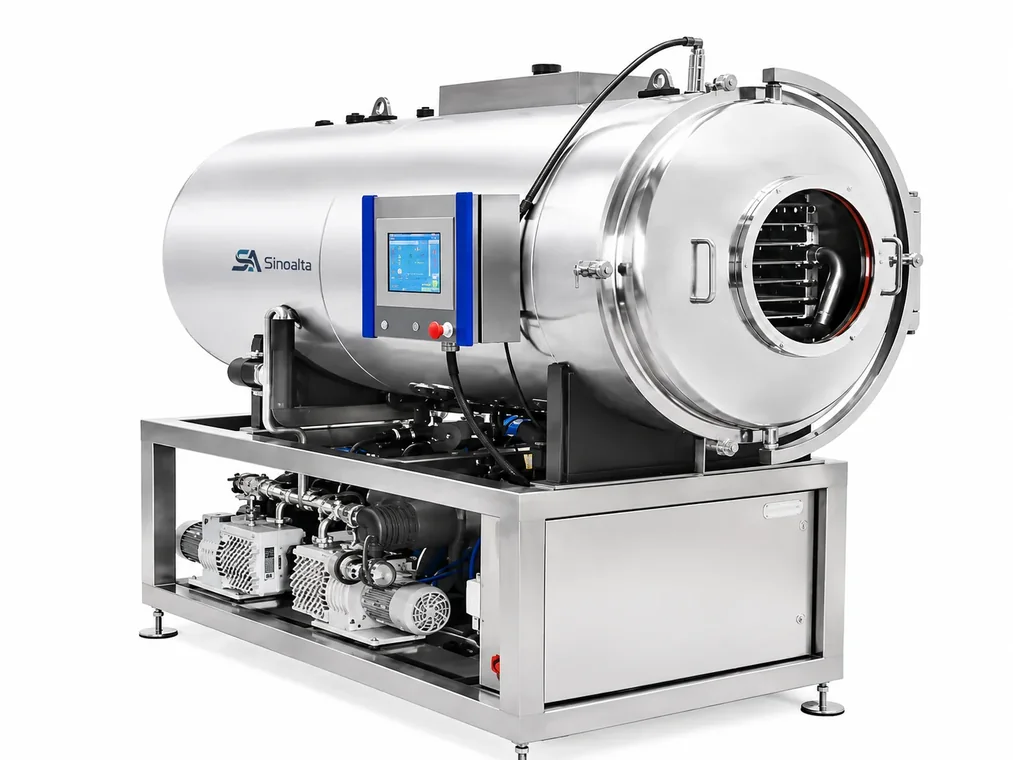
Suitable Collections
 Historic Books & Bound Volumes
 Manuscripts & Documents
 Paper Ephemera & Records
 Maps & Drawings
 Newspapers & Newsprint
 Loose Sheets & Folios
Common Applications
 Library & Archive Preservation
 Mass Deacidification Projects
 Collection Stabilization
 At-Risk Collection Recovery
 Preventive Conservation Programs
Technical Resource
Technical GuideReview selection, testing, preparation, workflow capacity, and verification considerations for mass deacidification projects.
Read guide →
Project Support
Share the collection format, condition, media, treatment volume, and workflow requirements so the appropriate deacidification approach and equipment can be reviewed.