Product Positioning
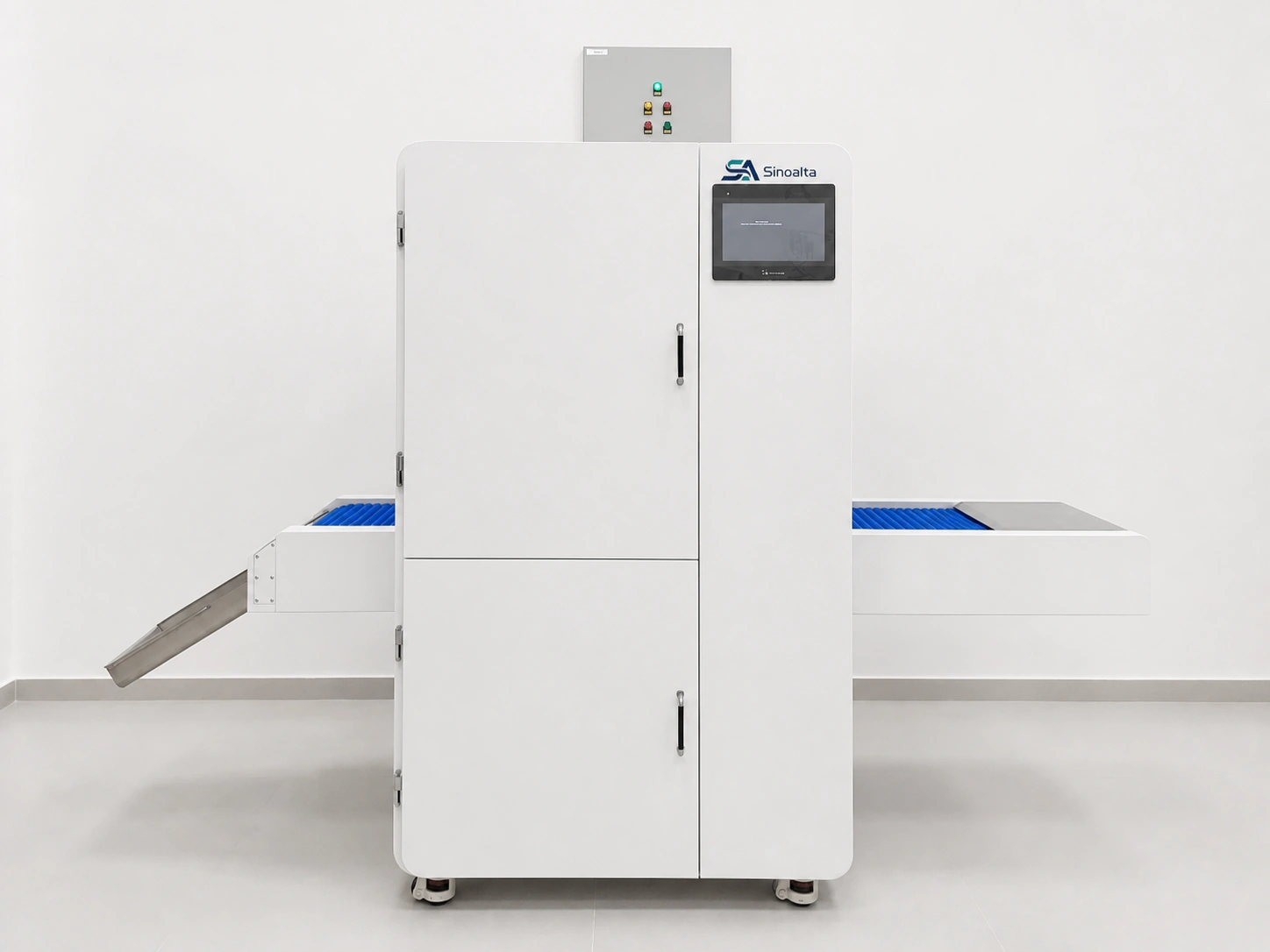
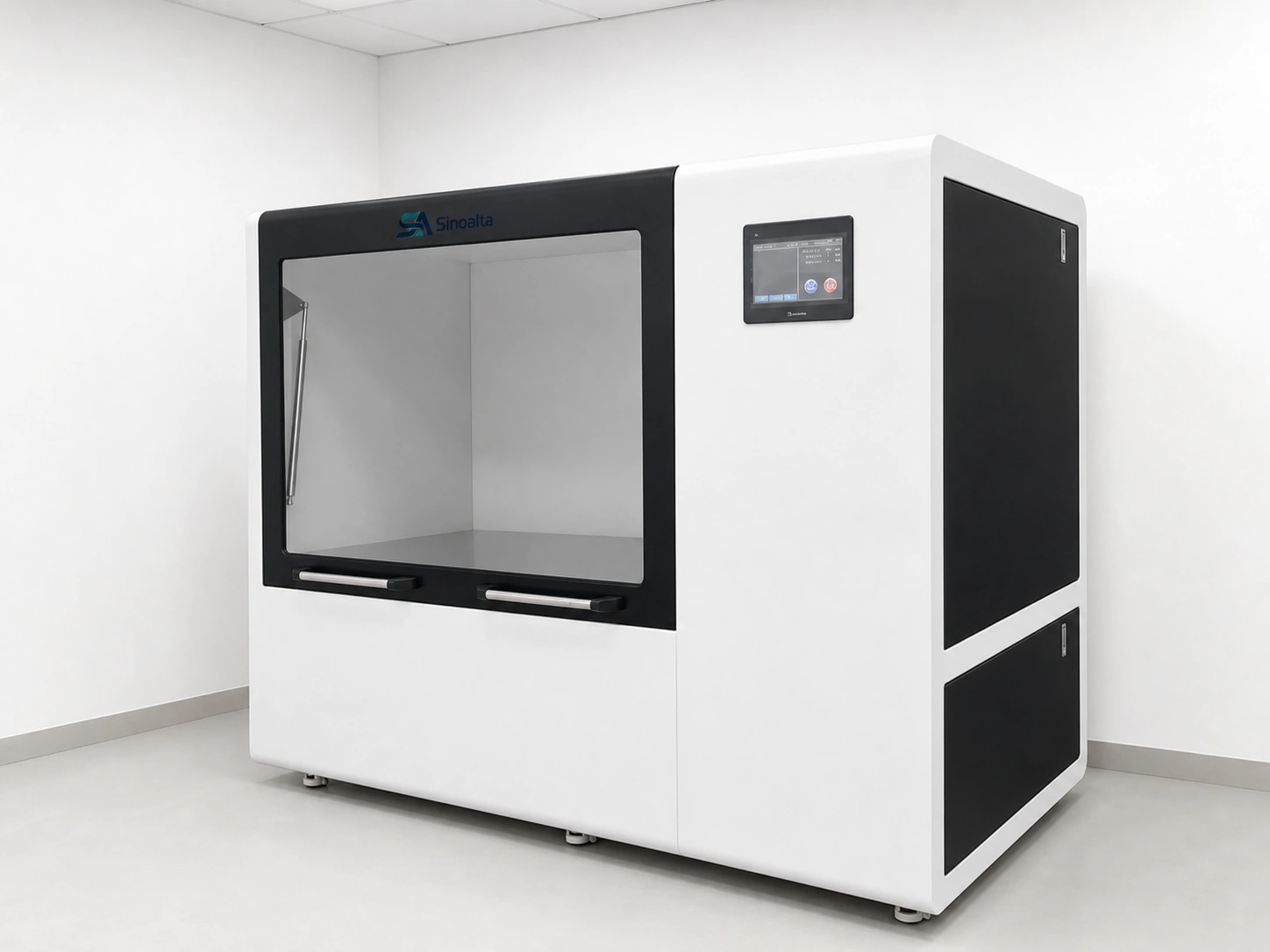
For institutions planning repeatable, continuous-feed spray deacidification of compatible paper materials at defined throughput. Unlike the manual spray workbench, this system is oriented to sequential sheet transport and automated application rather than individual tabletop handling. Selection should consider collection condition, paper formats, target workload, staffing, process flow and the requirements for pre-treatment sorting and post-treatment verification.
I. Product Name and Functional Overview
Original Chinese product name: Fully Automatic Spray Deacidification Machine
Product type: Continuous-feed spray-type paper deacidification equipment.
Main use: Planned treatment runs for assessed paper documents, including compatible archives, rare books, paintings and calligraphy, books, newspapers and periodicals.
The system automates sheet conveying and in-line spraying for workflows that would otherwise rely on repeated manual application. Before processing, materials should be examined and sorted for condition, format, media stability, previous repairs and compatibility with the selected deacidification solution. Items needing individual handling or a different treatment route should be separated from the automated batch.
An adsorption conveyor supports paper positioning during transport, while controlled spraying, negative-pressure adsorption and the triple-filter-element design support the operating process. Configuration and acceptance criteria should be defined around the intended materials and workload. Treatment results remain dependent on material compatibility, solution selection, operating settings and documented post-treatment checks.
II. Product Functions and Features
- Uses in-line spraying for sequential treatment of assessed acidified paper.
- Supports controlled, repeatable processing within a defined batch workflow.
- Applicable to compatible archives, books, rare books, paintings and calligraphy, newspapers and periodicals.
- An adsorption conveyor belt supports paper positioning during transport through the system.
- Uses controlled intelligent spraying for application during the conveying stage.
- Includes negative-pressure adsorption as part of the operating process.
- A triple-filter-element design supports management of volatile deacidification solution.
- The specified operating configuration requires 1 operator per machine.
III. Technical Parameters
Item / Parameter
- Operator: 1 person/machine
- Deacidification efficiency: Up to 600 sheets/hour based on A4 format
IV. Applicable Materials
- Archive sheets assessed as compatible with conveying and spray treatment;
- Rare-book paper selected for the defined batch process;
- Compatible paintings and calligraphy requiring spray deacidification;
- Book and documentary paper prepared for sequential sheet handling;
- Newspapers and periodicals that meet the workflow's condition and format criteria;
- Other acidified paper approved through pre-treatment assessment and testing.
Selection Questions
Which collections fit a continuous-feed spray workflow? The system is intended for assessed paper materials that can be sorted, positioned and conveyed in sequence. Fragile, distorted, attached or otherwise incompatible items should be separated for individual evaluation or another treatment route.
What should a pilot process verify? Confirm material compatibility, paper transport, spray settings and the planned post-treatment checks using representative materials approved for testing. The stated A4 throughput is a specification reference, not a guaranteed result for every format or condition.
What information is needed for configuration? Define paper formats, target workload, staffing, intake sorting, treatment solution, operating sequence, ventilation and filter-management arrangements. These inputs determine whether an automated line is preferable to manual spray handling and how it fits the wider deacidification workflow.