
Field Stabilization
Finds may be at risk from physical damage, drying, salts, crystallization, and rapid environmental change.
Field Conservation Solutions
Protect excavated finds during their most vulnerable transition with on-site assessment, temporary stabilization, mobile laboratory workflows, documentation, protective packing, and planned transfer to a permanent conservation facility.
Preservation Challenges
Plan safe stabilization, initial treatment, documentation, packing, and transfer under changing field conditions.
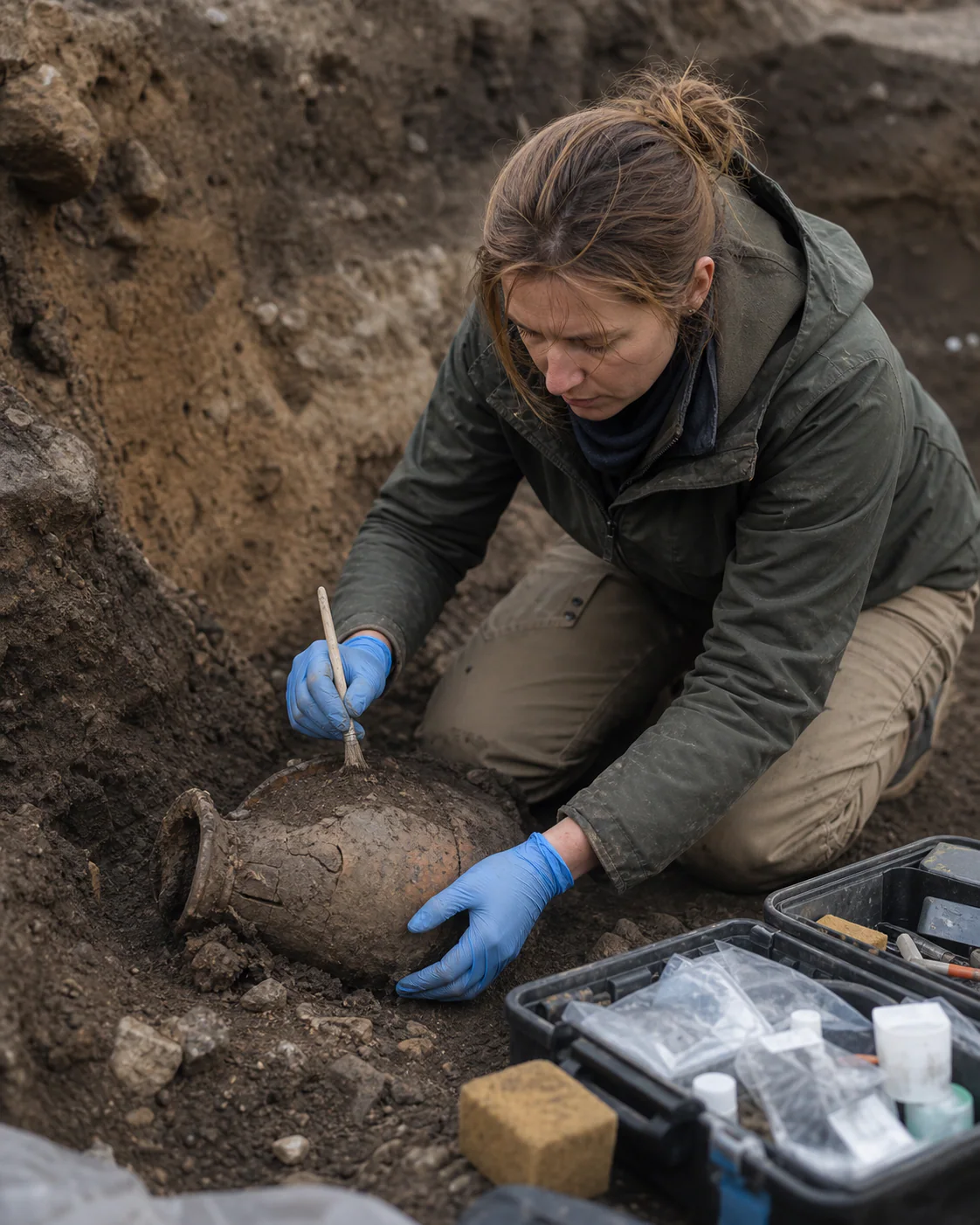
Finds may be at risk from physical damage, drying, salts, crystallization, and rapid environmental change.
Packing and handling must protect fragile materials from shock, abrasion, vibration, and contamination in transit.
Soil, concretions, deposits, and corrosion require controlled initial cleaning without damaging original surfaces.
Remote sites need dependable equipment, clean work zones, utilities, environmental protection, and documentation capability.
Recommended Systems
Configure practical field-conservation workspaces for finds triage, temporary stabilization, recording, packing, and handover to the receiving laboratory.
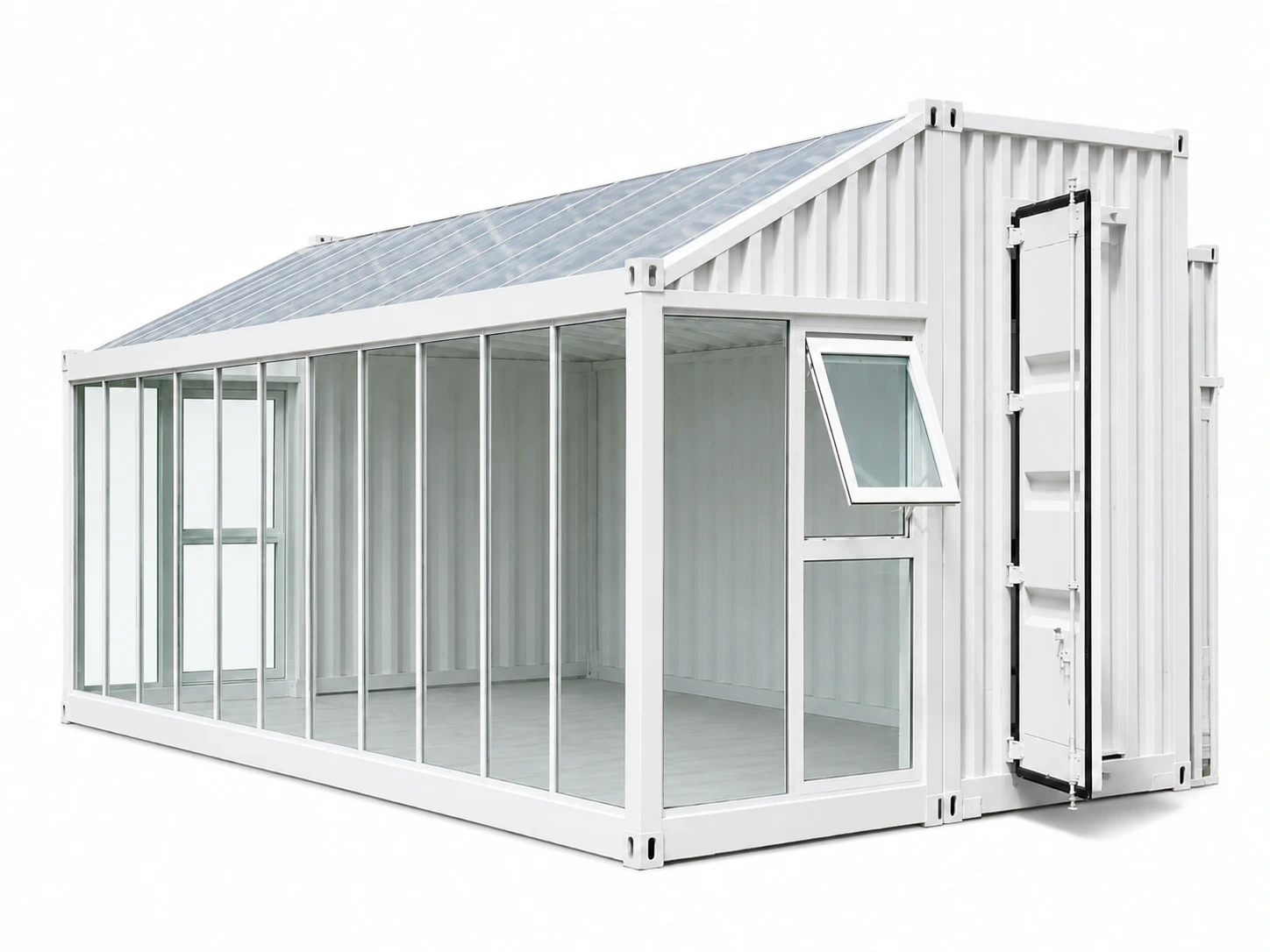
A mobile laboratory platform supporting on-site assessment, stabilization, treatment, documentation, and field operations.
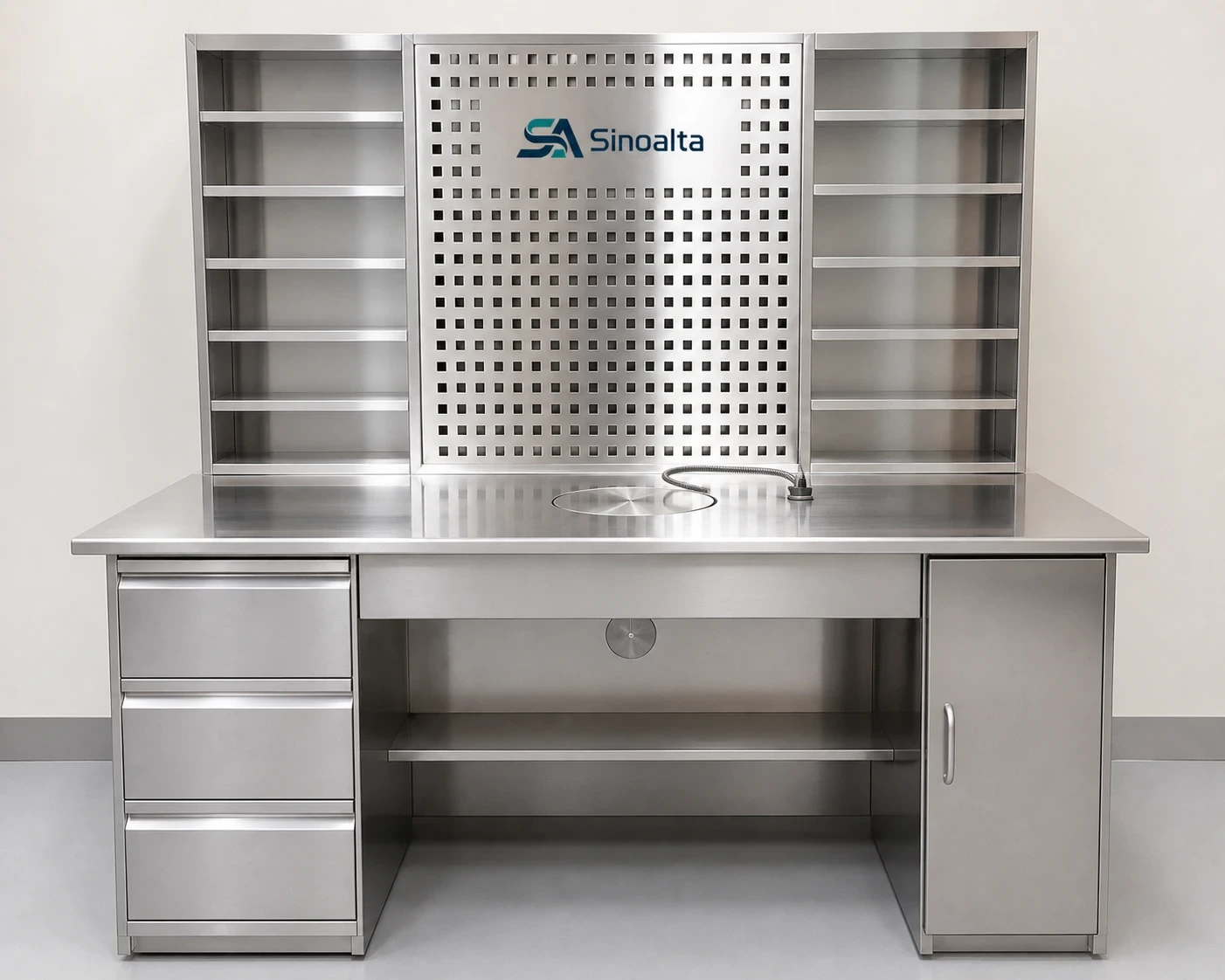
Localized dust extraction and a controlled work surface support careful cleaning of suitable archaeological finds.
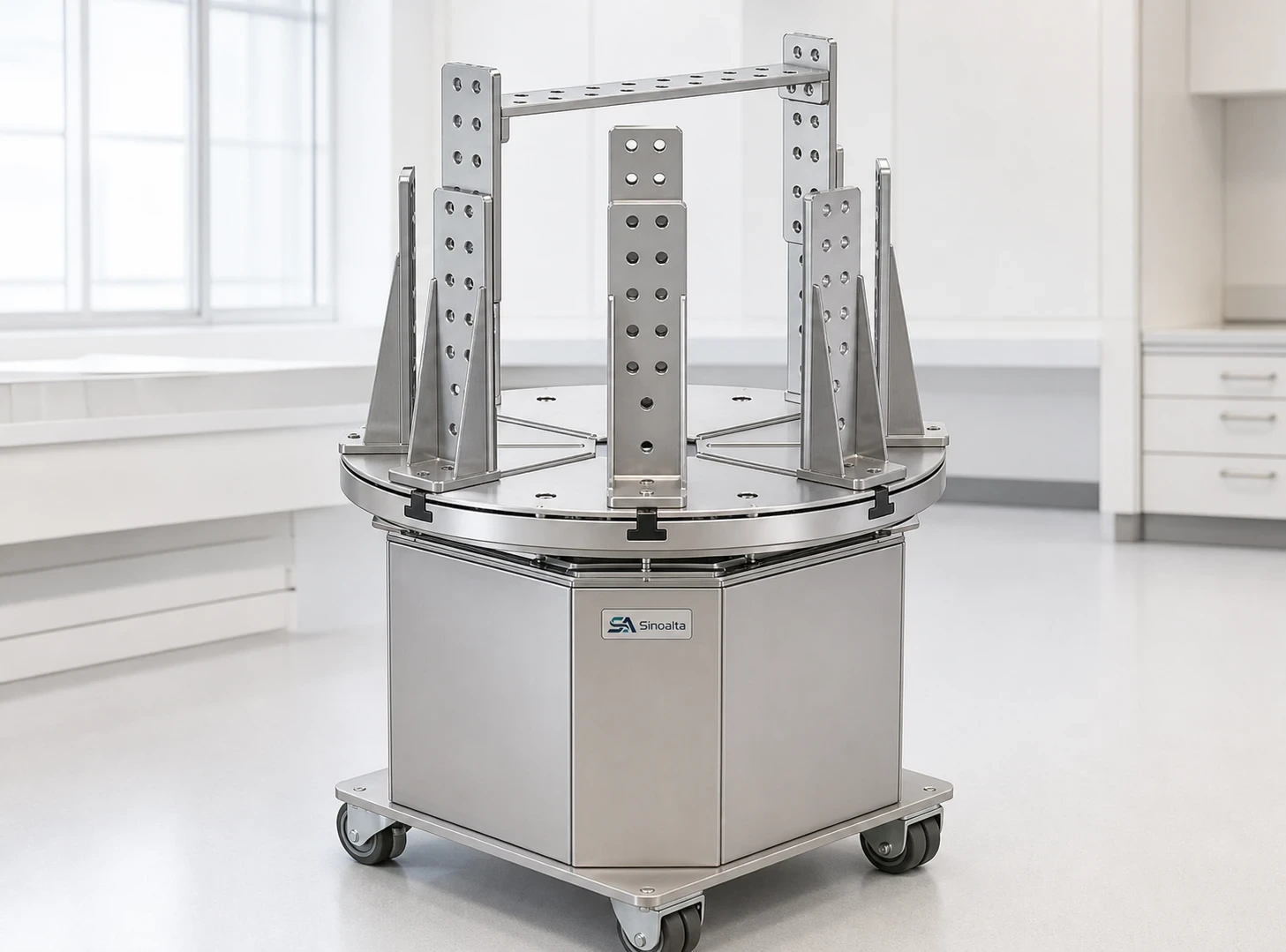
Supports controlled follow-up work on excavated metal finds when a receiving or base laboratory is part of the field-to-laboratory plan.
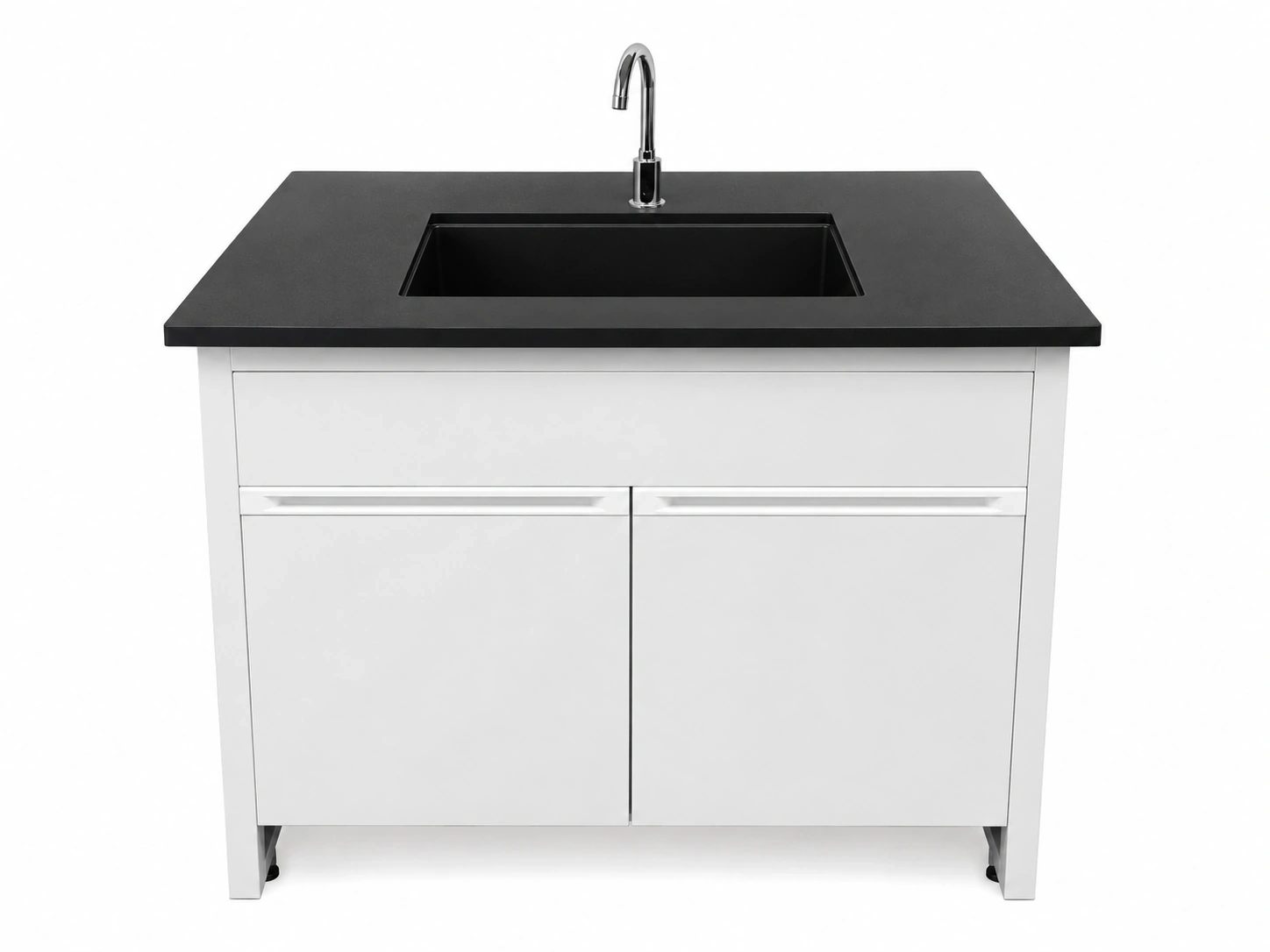
Modular benches establish clean assessment, documentation, and packing zones in temporary or base laboratories supporting excavation teams.
Typical Applications
Supporting teams working from excavation sites through temporary field laboratories and final transfer.
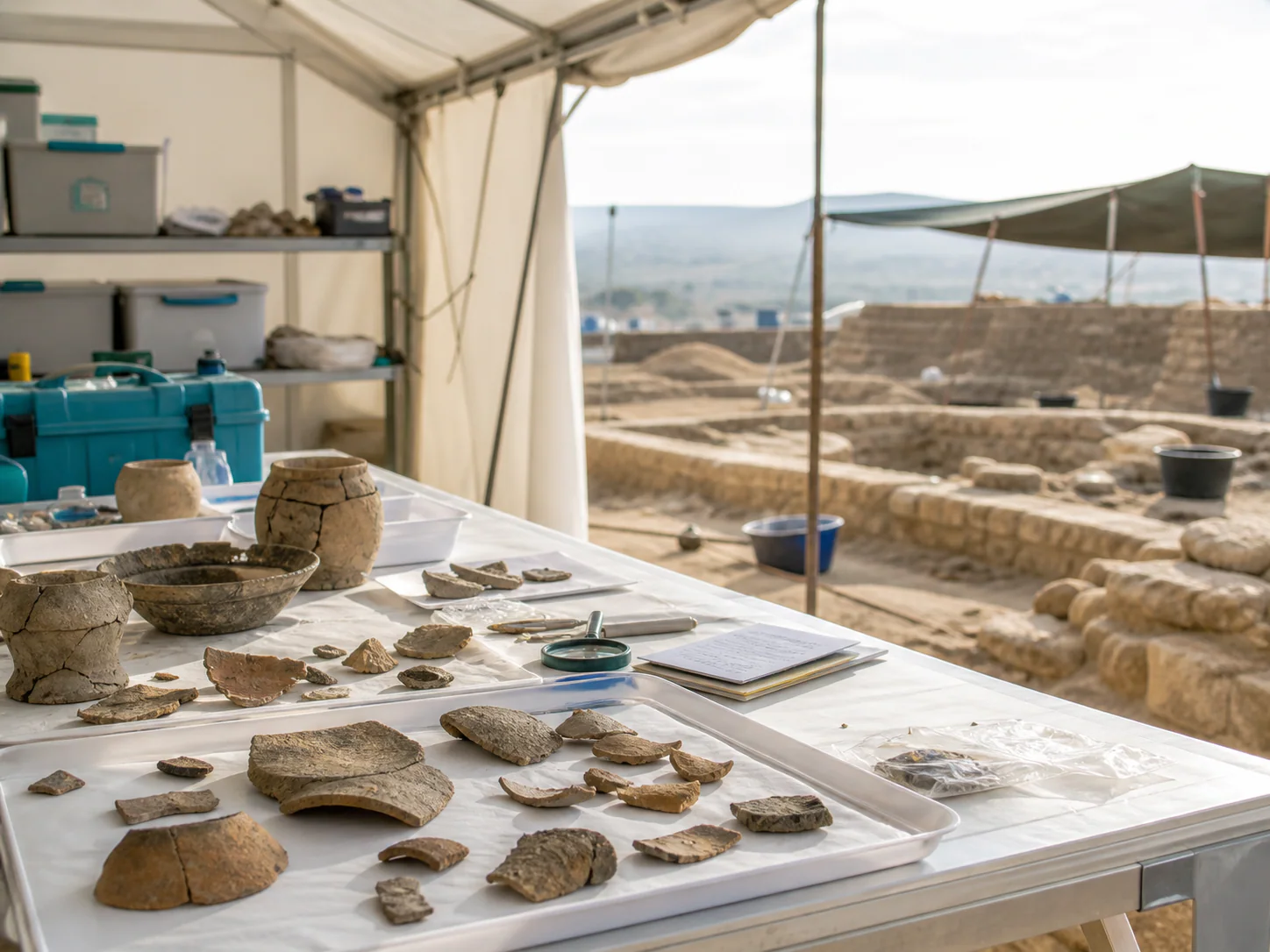
Rapid stabilization and protection of finds at excavation locations.
Reliable field workstations, mobile capability, and conservation supplies.
Controlled temporary spaces for assessment, initial treatment, and analysis.
Coordinated stabilization, documentation, packing, and safe transfer operations.
Our Process
Assess context, material, condition, immediate risks, documentation needs, and next steps.
Clean carefully, stabilize fragile areas, and manage the immediate environment.
Package with suitable materials, labels, supports, and complete documentation.
Transfer safely and provide records for subsequent laboratory conservation.
Fieldwork Resources
Explore approaches to finds triage, temporary stabilization, documentation, and laboratory handover.
Explore Case Studies →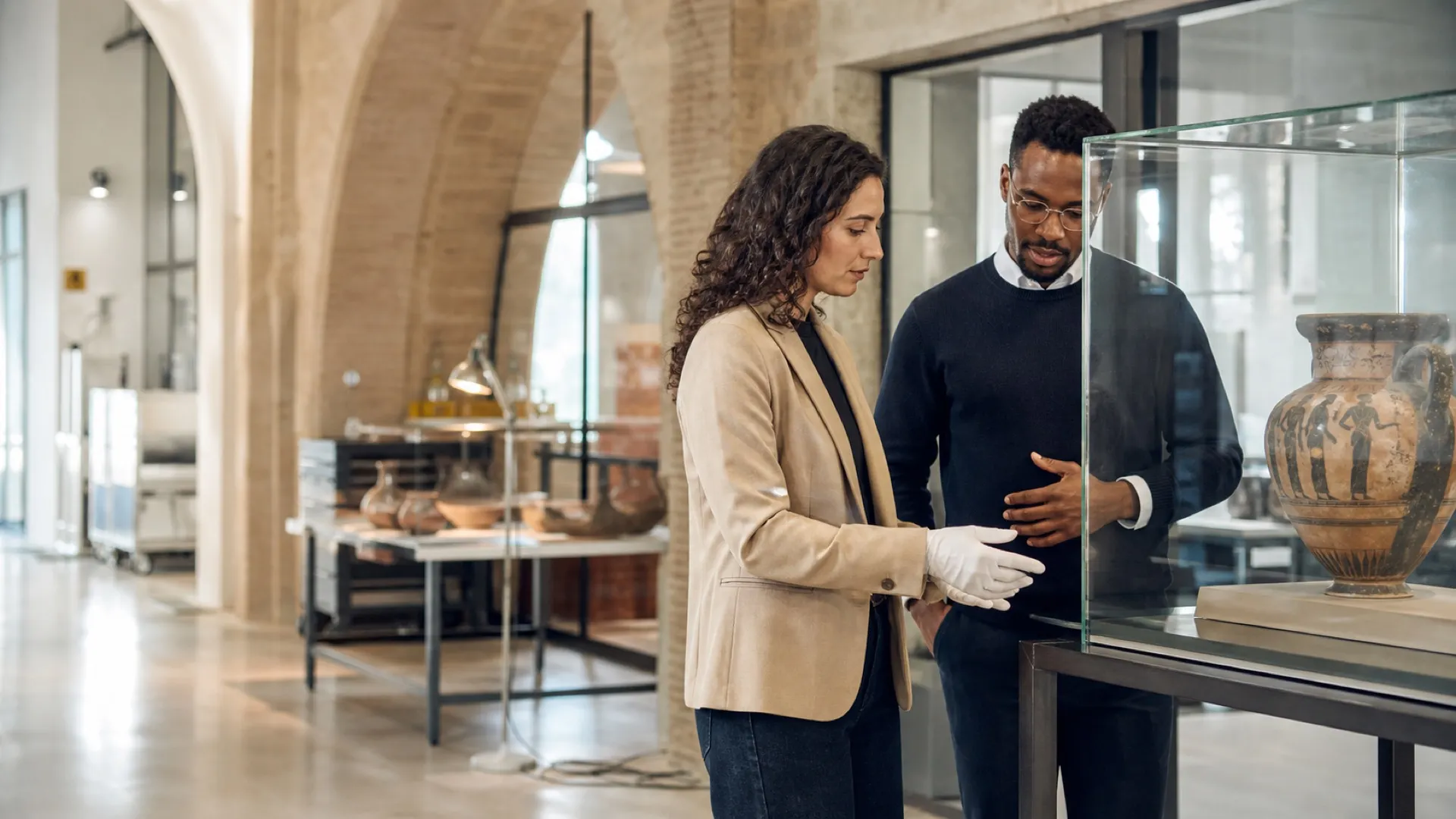
Review decisions that connect excavation, assessment, temporary support, and safe movement.
Explore Guides →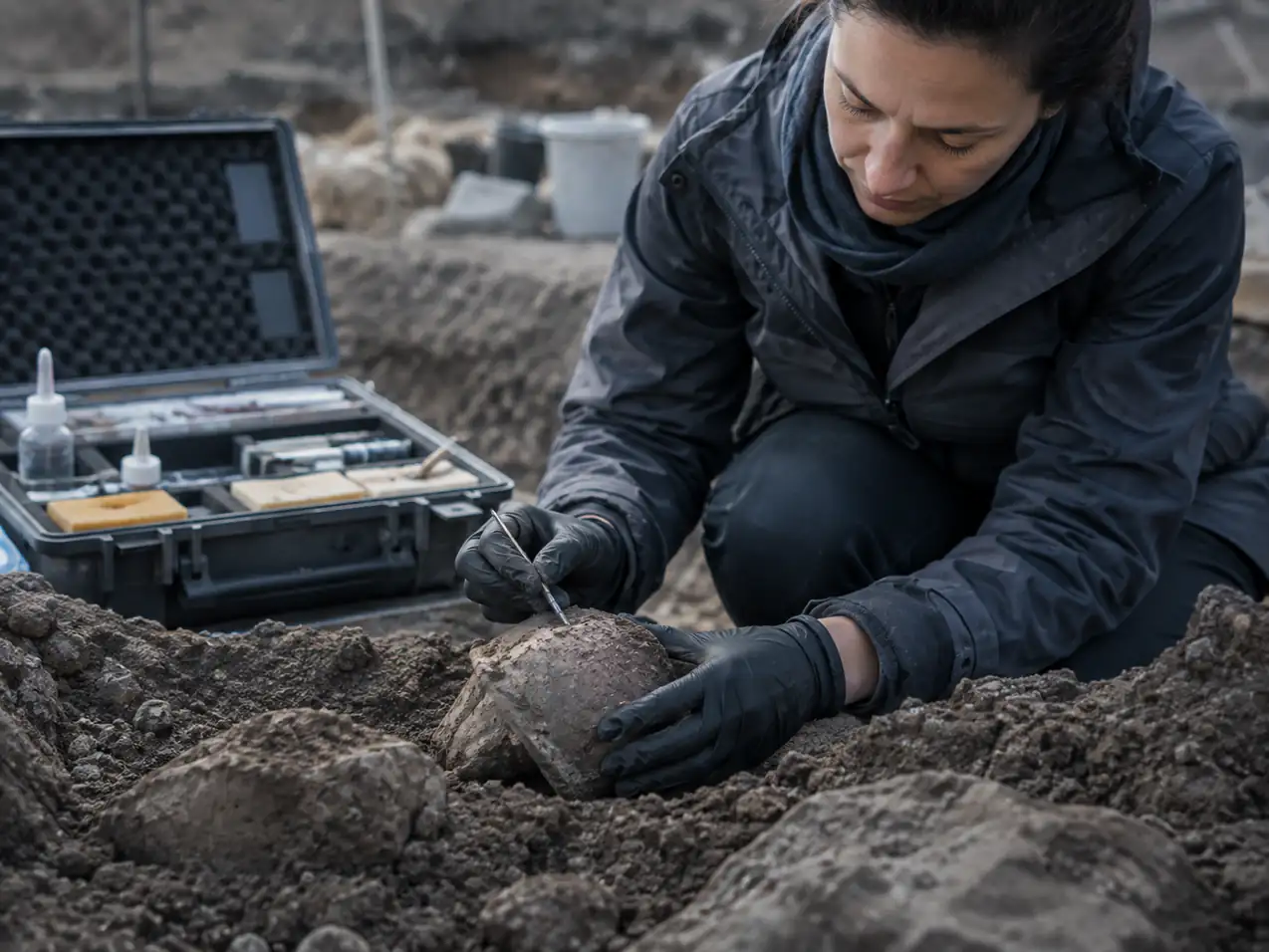
Plan supports, separation, labels, handling routes, and environmental precautions before transport.
Explore Guides →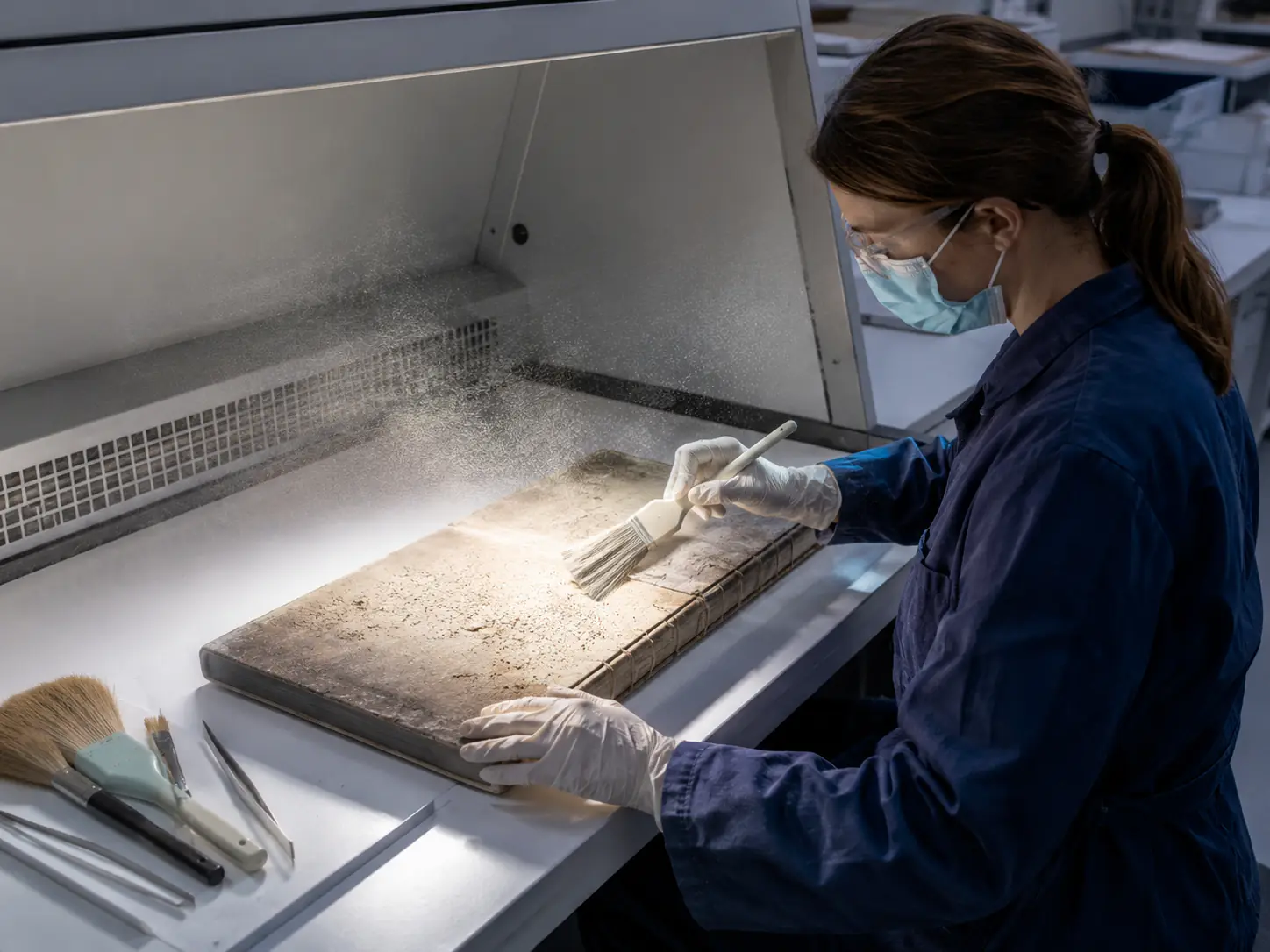
Review workspace zones, utilities, supplies, documentation, temporary storage, and transfer needs.
Explore Downloads →
Common Questions
Record the find and its context before unnecessary cleaning or movement, then assess its material, condition, moisture state, structural weakness, salts, and environmental exposure. Provide temporary support and a stable holding environment appropriate to the find. Intervention should remain minimal until a conservator defines the next step. Objects that are wet, friable, composite, actively corroding, or losing surface material require specialist review before routine packing or transport.
Temporary stabilization should prevent rapid drying, salt movement, collapse, abrasion, and loss of detached material. The approach may include rigid supports, inert interleaving, sealed or ventilated containment, and condition monitoring, depending on the find. Materials with different moisture needs should not share one packing method. Definitive desalination, consolidation, or cleaning normally belongs in a suitably equipped conservation laboratory after assessment.
A mobile laboratory should match the site, finds, team, and expected treatment scope. Planning typically covers clean and dirty work zones, examination lighting, safe work surfaces, storage, documentation, water and power, ventilation or local extraction, waste handling, and environmental protection. It is not a substitute for every permanent-laboratory treatment; its primary role is triage, on-site stabilization, recording, and preparation for safe transfer.
Each find should be identified, supported against movement, separated from abrasive materials, and packed for its weight, fragility, moisture needs, and route. Document condition, orientation, packing layers, handling instructions, and custody before departure. Monitoring may be appropriate where temperature, relative humidity, shock, or vibration presents a meaningful risk. Transport packing is temporary and should be reviewed promptly at the receiving laboratory.
Irreversible cleaning, desalination, consolidation, adhesive repair, coating removal, and attempts to reshape or separate components should generally wait until material identification and condition assessment are complete. Field teams can protect evidence through documentation, minimal handling, temporary support, and controlled holding conditions. Urgent intervention may be justified when active deterioration threatens immediate loss, but it should follow a conservator-approved plan and be recorded for the receiving laboratory.
Field Conservation Project
Share the site, materials, field conditions, utilities, timeline, packing needs, and transfer plan.