Product Positioning
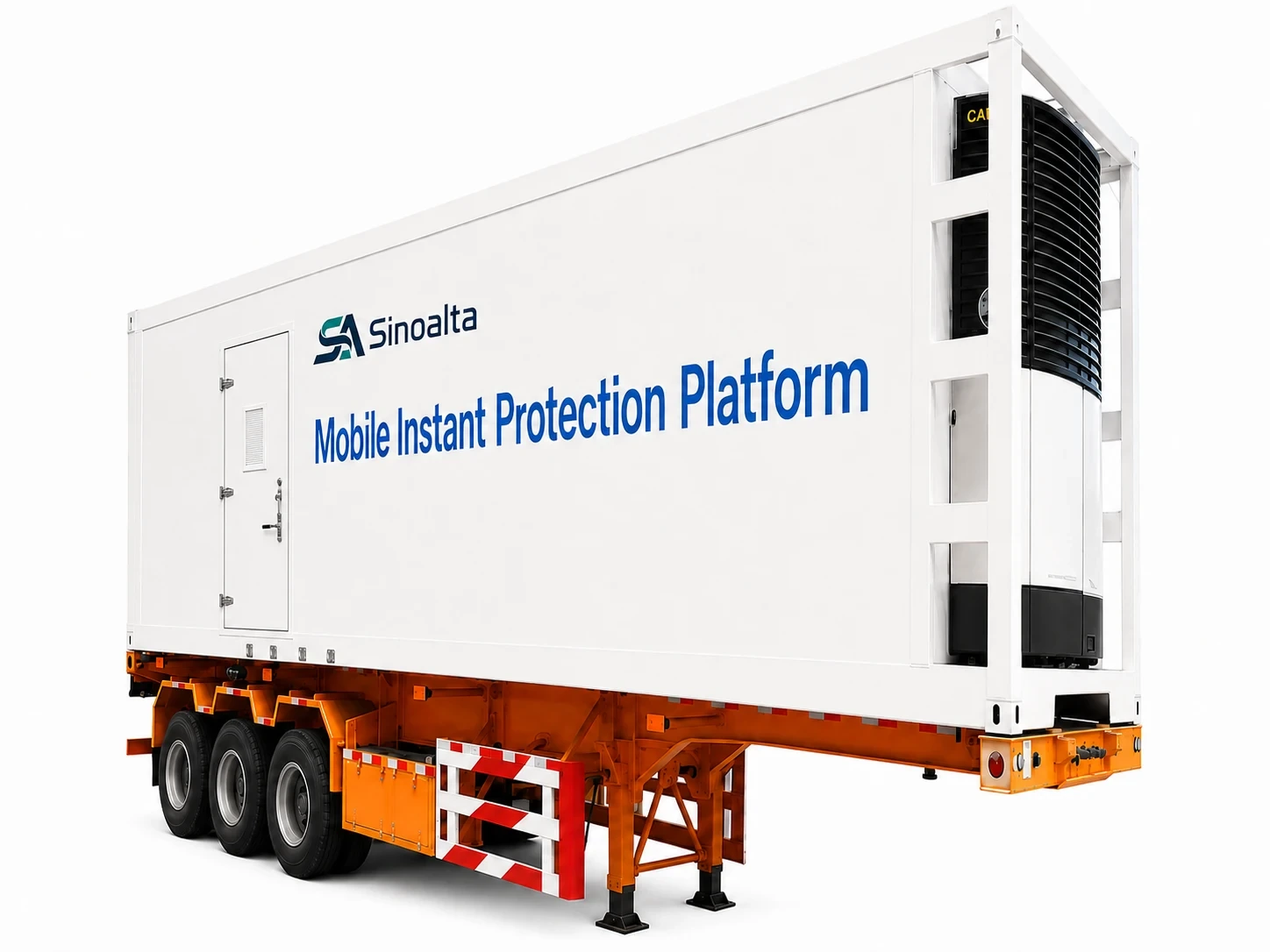
Designed for archaeological excavation, field survey and on-site conservation. The mobile laboratory provides immediate stabilization, preliminary cleaning, field analysis and controlled-environment support for newly excavated objects.
Low-oxygen protection, temperature and humidity control, cleaning, research, temporary storage and personnel-support modules can be combined around the site and object types.
Product Overview
Newly excavated objects may deteriorate rapidly when oxygen, temperature, humidity, light, microorganisms and harmful gases change after removal from the burial environment. This system introduces mobile controlled conditions and on-site conservation modules as early as possible.
It supports a continuous workflow from excavation and cleaning through field analysis, interim protection and temporary storage, with optional personnel welfare and safety modules.
On-Site Stabilization Factors
- Oxygen concentration
- Temperature
- Relative humidity
- Light exposure
- Microorganisms
- Harmful gases
Field Conservation Functions
Immediate Protection
Provides controlled space for excavated objects that require oxygen, temperature, humidity or other environmental control.
Cleaning & Preliminary Treatment
A designated work area supports cleaning and basic stabilization before transfer to a fixed laboratory.
Field Analysis & Research
Observation, documentation and project-specific analytical work can be carried out on site.
Temporary Protection & Storage
Controlled interim storage bridges the workflow between excavation and the permanent conservation facility.
Controlled Environment Support
| Control factor | Primary role |
|---|---|
| Oxygen concentration | Immediate stabilization for excavated objects requiring low-oxygen protection |
| Temperature | Reduces the effect of rapid temperature change on sensitive objects |
| Relative humidity | Reduces deterioration risk caused by rapid moisture change |
| Light | Provides controlled illumination for light-sensitive materials |
| Microorganisms | Supports field workflows intended to reduce microorganism-related risks |
| Harmful gases | Controls or reduces harmful-gas exposure according to project conditions |
Modular Laboratory Structure
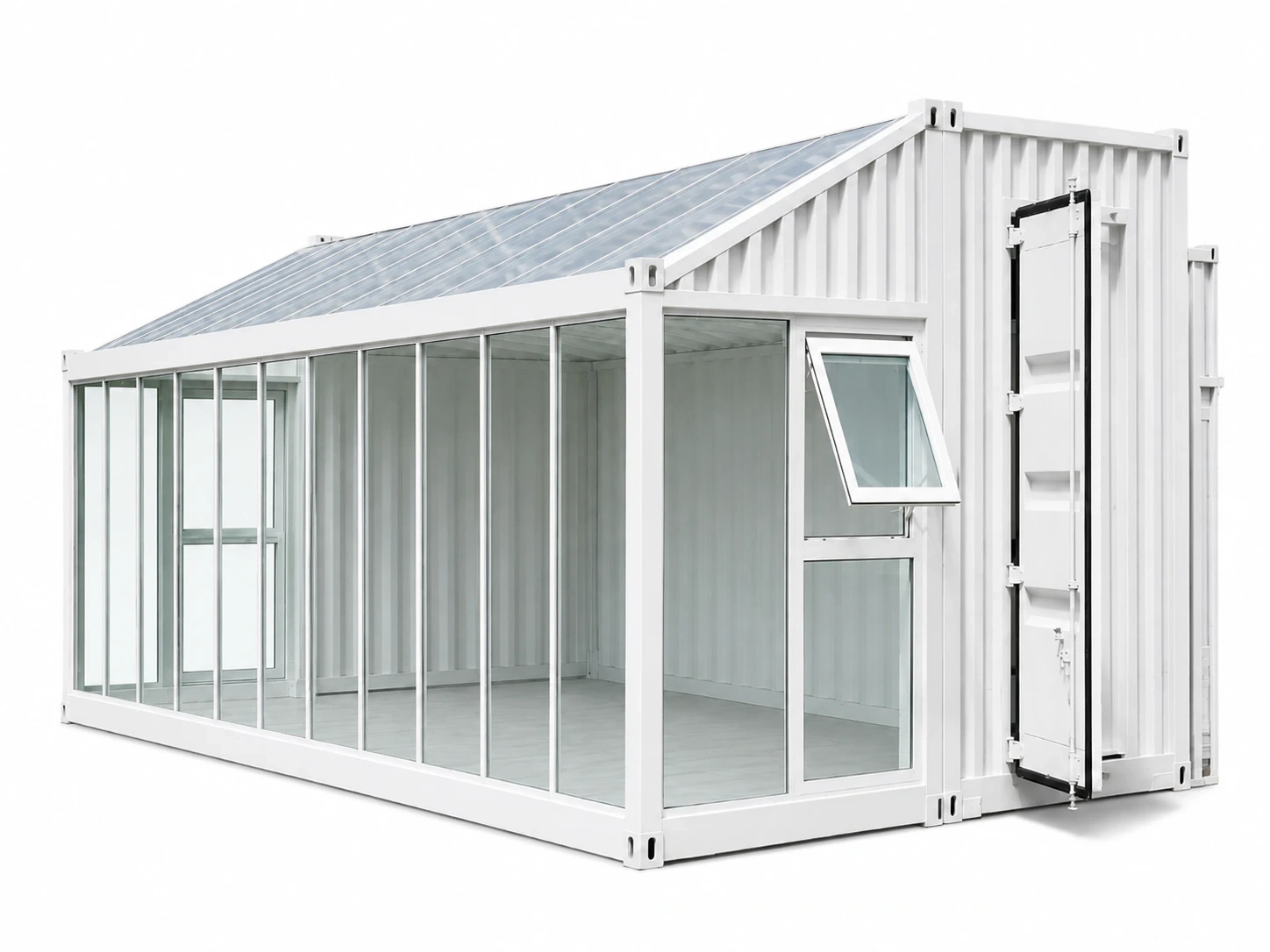
The mobile laboratory can be configured in modules according to the archaeological site, object types and project workflow, including:
- Immediate low-oxygen protection module
- Temperature and humidity control module
- Object cleaning and preliminary-treatment work area
- On-site analysis and research area
- Temporary protection and storage area
- Personnel welfare module
- Personnel health and safety module
The modules can be combined according to project scale, transportation conditions and available site space.
Suitable Applications
- Archaeological excavation sites
- Field archaeology projects
- Immediate protection of newly excavated objects
- On-site artifact stabilization
- Field cleaning and preliminary treatment
- Preliminary analysis and documentation
- Temporary protection and controlled storage
- Sites without a fixed conservation laboratory
- Mobile conservation missions
Key Capabilities
- Mobile on-site deployment
- Immediate stabilization of excavated objects
- Low-oxygen protection support
- Temperature- and humidity-controlled environment
- On-site cleaning and preliminary treatment
- Analysis and research work area
- Temporary protection and storage
- Modular configuration
- Personnel welfare and safety support
Customization
The system can be designed for the project according to archaeological project type, object materials, site environment, transportation conditions and workflow, including:
- Overall laboratory dimensions
- Mobile carrier form
- Low-oxygen protection module
- Temperature and humidity control range
- Cleaning and treatment-area layout
- Analysis and research module
- Temporary-storage space
- Personnel-support modules
- Power and site utilities
- Module combination