
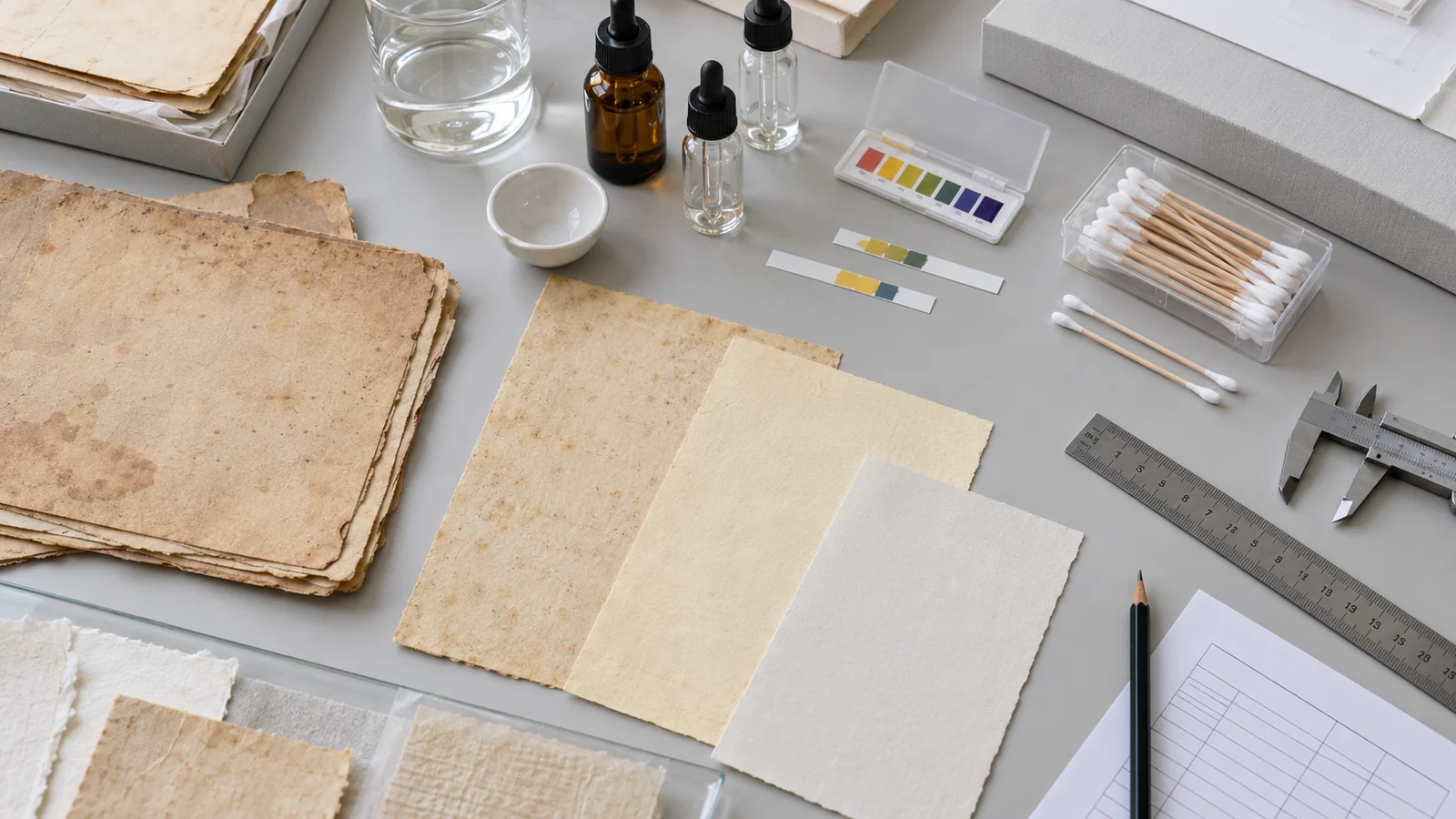
A deacidification project commonly aims to reduce the effects of acidity in suitable paper, but treatment depends on the paper, media, binding, chemicals and professional assessment. Procurement documents should state these conditions clearly.
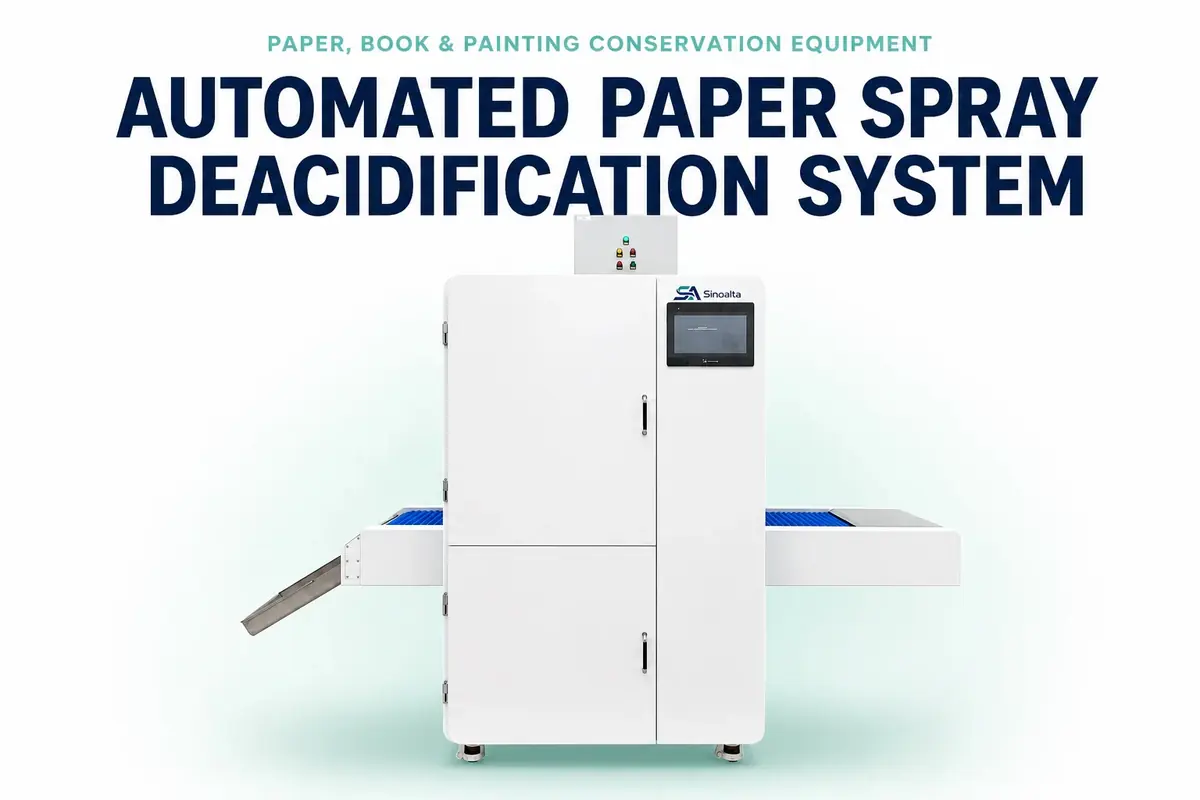
Spray, immersion and other routes have different configurations and suitability limits. Define the objects and validation approach first so suppliers can provide comparable quotations.
Create representative samples and screening rules
Describe the proportions, sizes and quantities of loose sheets and bound books, paper condition and water-sensitive media. Identify photographs, coatings, leather and metal fittings requiring separate assessment.
Deacidification cannot restore strength already lost. Conservators should determine which materials may be treated, excluded or tested separately.
Compare treatment routes and workflow
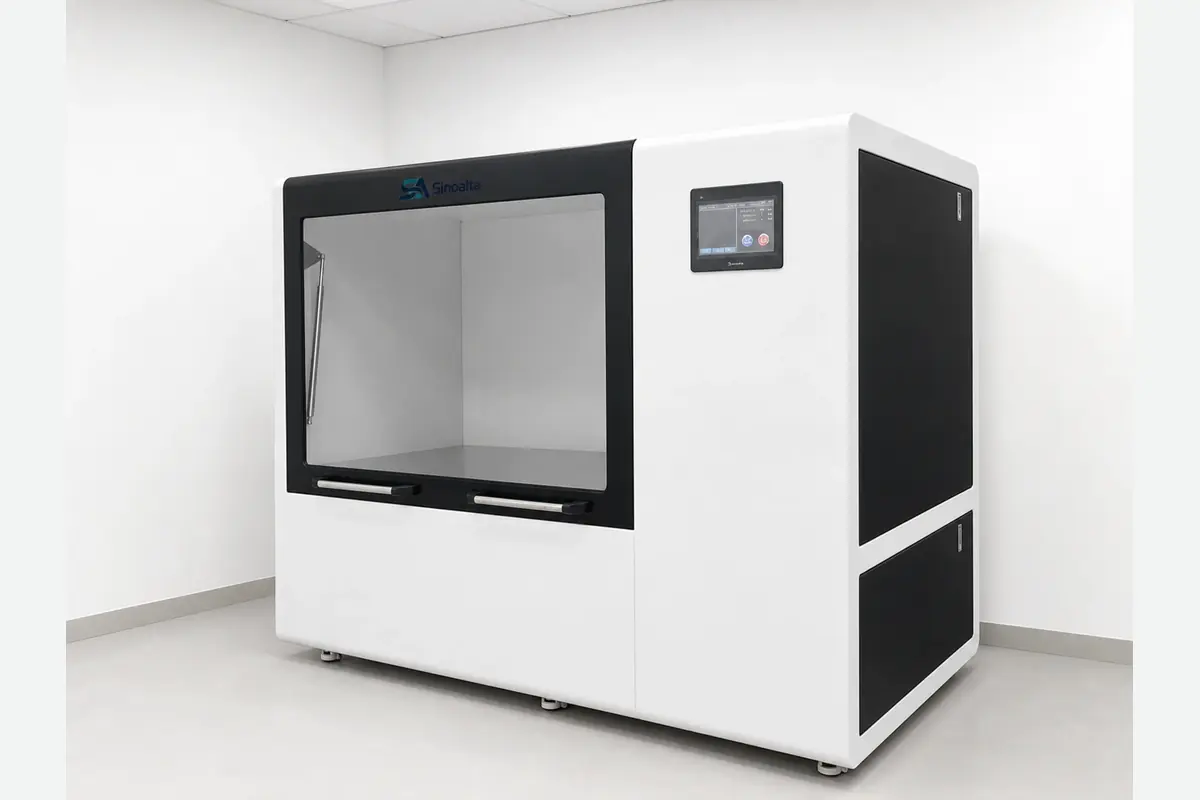
Compare equipment across loading, treatment, draining or drying, inspection and documentation. Manual spraying involves different degrees of operator intervention; automated spraying and immersion must be evaluated against objects and batch size.
Ask suppliers to explain treatment media, contact parts, liquid management, adjustable controls, cleaning and maintenance. Do not compare options on a single nominal throughput figure.
Define process and material validation
Set out pre- and post-treatment tests, sampling positions, methods, sample counts and acceptance criteria. Assess potential changes in colour, media, dimensions and physical condition. Validation should reflect the chosen process, materials and loading.
Library of Congress deacidification research and project specifications can inform a validation plan, but their criteria belong to those projects and cannot automatically become a performance promise for another machine.
Check facilities and occupational safety
Confirm water, power, ventilation, drainage, storage, drying and maintenance space. Chemicals, safety data, waste handling and emergency measures must follow the project plan and applicable local requirements.
Define operator training, cleaning and maintenance responsibilities, plus batch records, labelling and collection tracking.
Use a common basis for quotations and acceptance
Provide representative objects, batch scale, site and workflow diagrams. Ask suppliers to respond item by item on configuration, deviations, consumables, delivery, installation and training.
Agree a trial using simulated materials and delivery of process documentation and records. Institutional specialists should confirm treatment suitability and acceptance criteria for actual collections.
Create a comparable object schedule
Group objects by paper type, size, binding, ink or pigment, fragility and expected workload. Record whether sampling is permitted, whether media are water-sensitive and who decides the treatment route. Leave unknown materials pending identification rather than forcing them into a standard batch.
Give each supplier the same schedule and request applicable groups, exclusions and proposed preliminary tests. This reveals whether configuration differences respond to real needs rather than equipment names alone.
Plan batch quality records
A batch record can contain object identifiers, screening conclusions, before-treatment photographs, process conditions, operators, post-treatment checks and exceptions. Retain measurement methods and positions and identify the sample scope.
Treat acceptance and routine operation separately. Functional checks with simulated material can occur first; the institution must establish material suitability and quality methods for actual objects. Pause the affected group and investigate if colour or structure changes.
Procurement documents should assign sample preparation, sampling, inspection, record retention and retesting after a failure. Define storage, replenishment, cleaning and waste disposal for process liquids so routine work is not omitted from the quotation.
Environmental management remains important. Plan post-treatment storage, housing and long-term monitoring; one deacidification treatment cannot resolve every ageing risk or restore lost strength.
When suppliers propose different routes, ask them to mark suitability and required preliminary tests against the same object schedule, then compare equipment, consumables and staffing. List unverified performance as pending confirmation.
Sources
- Library of Congress: Mass deacidification research project
- Library of Congress: Mass deacidification bibliography
Share representative collection types, the desired workflow and site conditions to discuss deacidification equipment.
Explore related equipment → · Discuss your project →