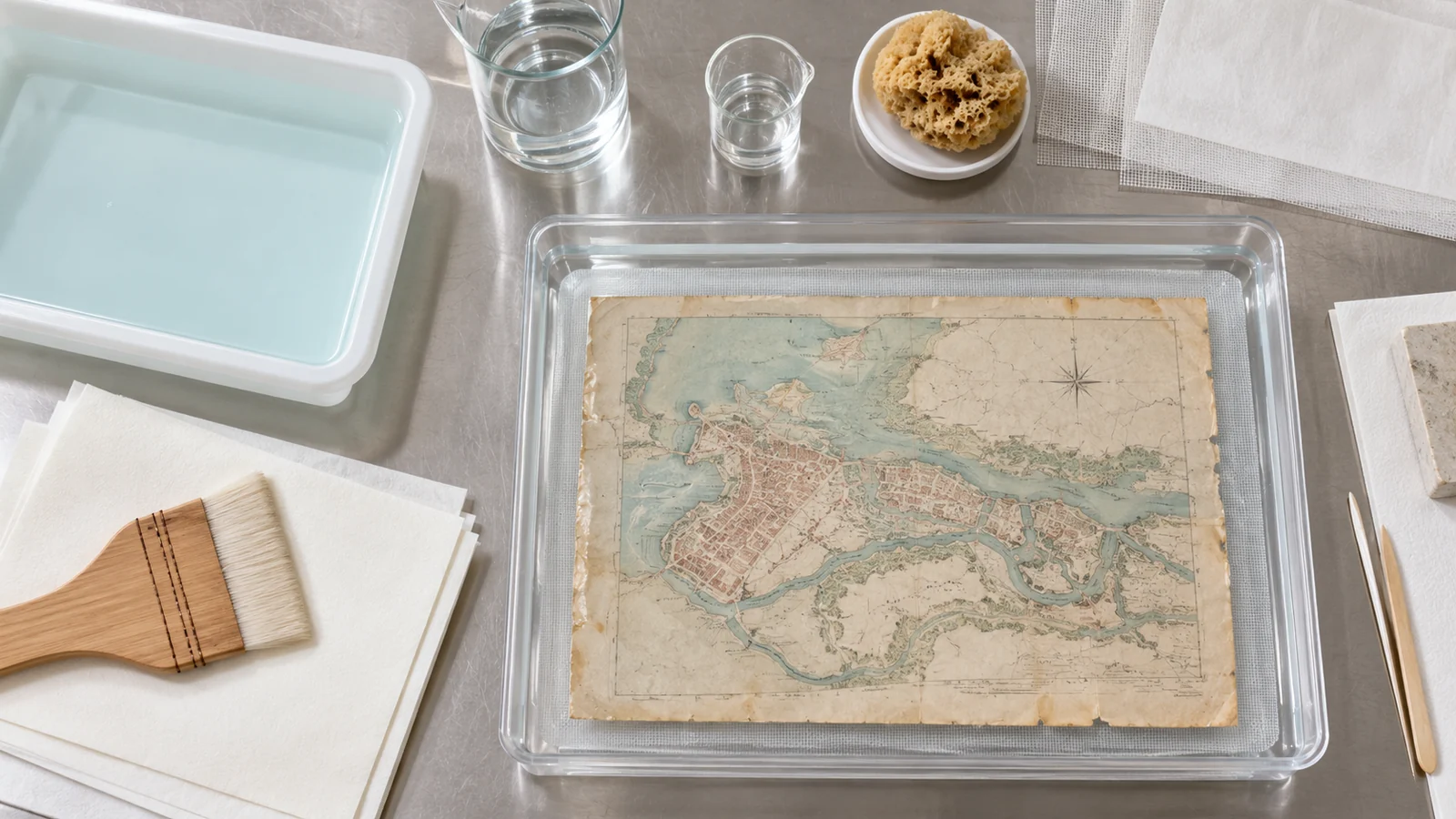
Washing tables, suction tables and leafcasting machines support different tasks. Whether all are needed depends on collection condition and conservation objectives. Wet treatment can alter paper, media or previous repairs, so each object needs assessment.
Consider equipment within the complete workflow to set purchasing priorities and shared facility requirements.
Before treatment: document, test and decide
Record paper, inks, pigments, binding and previous treatment; assess damage, distortion and water sensitivity. Conservators decide whether spot tests and wet treatment are appropriate.
Define intended improvements and acceptable risks before choosing a method. Equipment should support documentation, lighting, observation and handling.
Washing tables provide wet treatment space
A washing table can support suitable paper objects and liquid management. Consider working area, support, water supply and drainage, cleaning and access from different sides.
Water quality, treatment time and support materials depend on the treatment plan; not all papers and media can be washed by immersion.
Suction tables support controlled local or area treatment
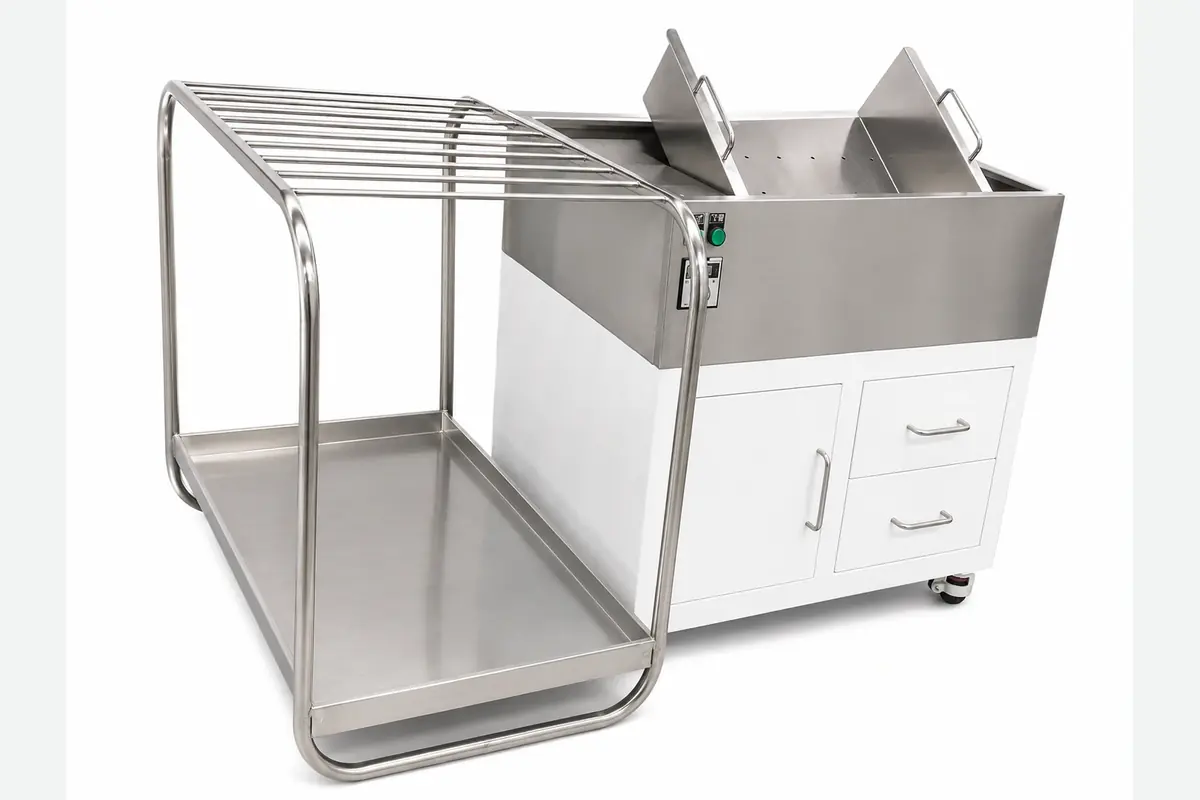
A suction table uses airflow to assist liquid management in specific treatments. Consider usable area, adjustment, collection and surface support; its purpose differs from a washing table.
Airflow interacts with material fragility. Use simulated material and professional judgement to determine the method; a suction table does not automatically replace a washing table.
Leafcasting and drying need follow-on space
For suitable losses, leafcasting can be part of the workflow. Fibre, colour and method are selected for the object, with space for safe transfer, drying and inspection afterward.
Assess alternatives for water-sensitive or composite objects. A Library of Congress case illustrates how treatment can change with ink solubility.
Plan phased procurement around shared interfaces
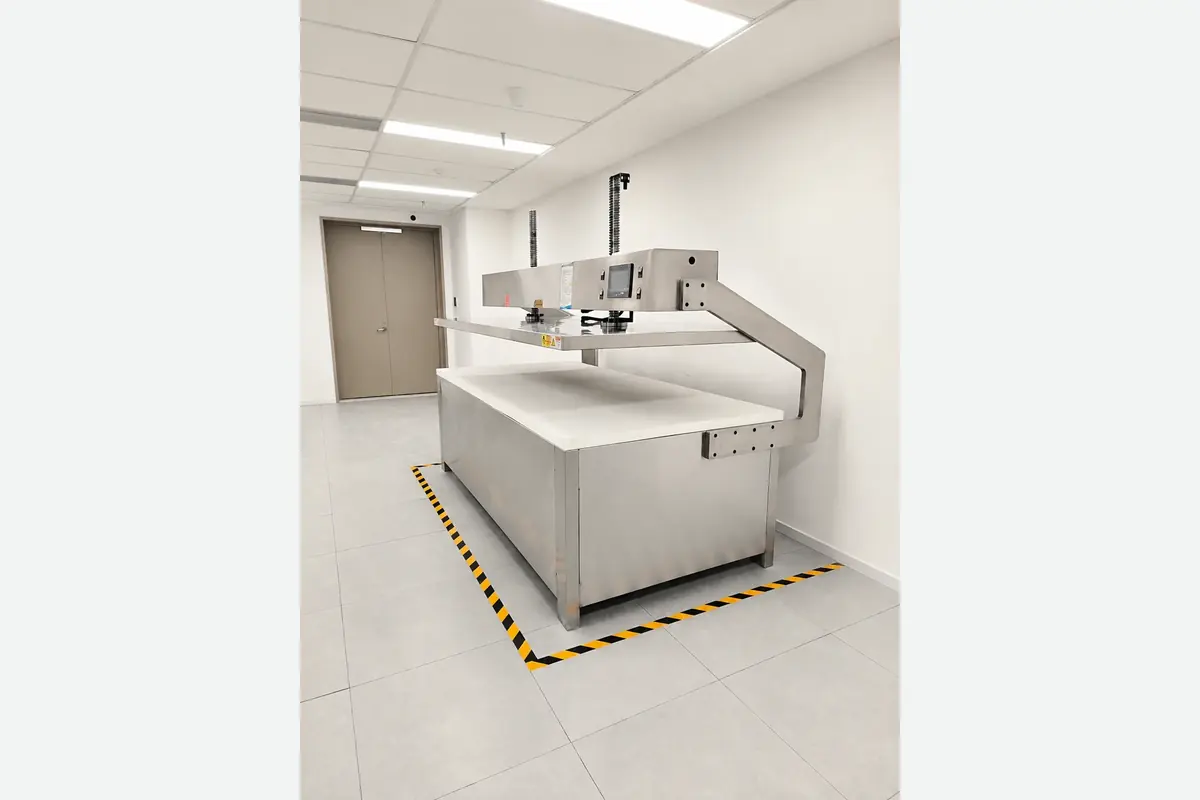
Map worktables, water, power, drainage, ventilation, lighting, carts and storage, and check transfer routes. Set priorities according to actual workload and staff skills.
Provide object lists, site conditions and workflows in the RFQ; request configuration, maintenance and training. Test handovers with simulated objects before evaluating actual collection suitability.
Trace one large paper object through the workflow
If specialists decide to wet-treat a large paper object, first provide sufficient inspection and documentation space and confirm that support material can travel safely with it. Reserve drying and reinspection space so a fragile wet object does not wait in a corridor.
If local suction or filling is also planned, check each device's usable area, object height and transfer route. Not every object passes through every station; the treatment plan determines sequence.
Details often missed in procurement
Door clearance, table edges, cleanable liquid containers and separation of wet areas from documentation and packing affect daily work. Where chemicals are used, assess compatibility, ventilation and waste routes.
Attach a simple floor plan and typical object schedule to the RFQ and ask suppliers to mark installation, operating and maintenance space. Rehearse handling with simulated objects and adjust based on observations.
If most work involves small sheets and large drawings are occasional, assess their effects on surface and transfer space before choosing in-house equipment and outside support. Consider staff training when setting priorities.
Keep a simple record at each station: origin, receiver, support material and next destination. This preserves decisions and location across staff changes.
Include users in equipment demonstrations to identify poor lighting, awkward placement and conflicting routes. Record issues, owners and follow-up in acceptance documentation.
Sources
- Library of Congress: Conservation of the Jamestown records
- Library of Congress: Collections care treatment manual
Share the intended collections and laboratory layout to discuss wet-treatment equipment priorities.
Explore related equipment → · Discuss your project →