
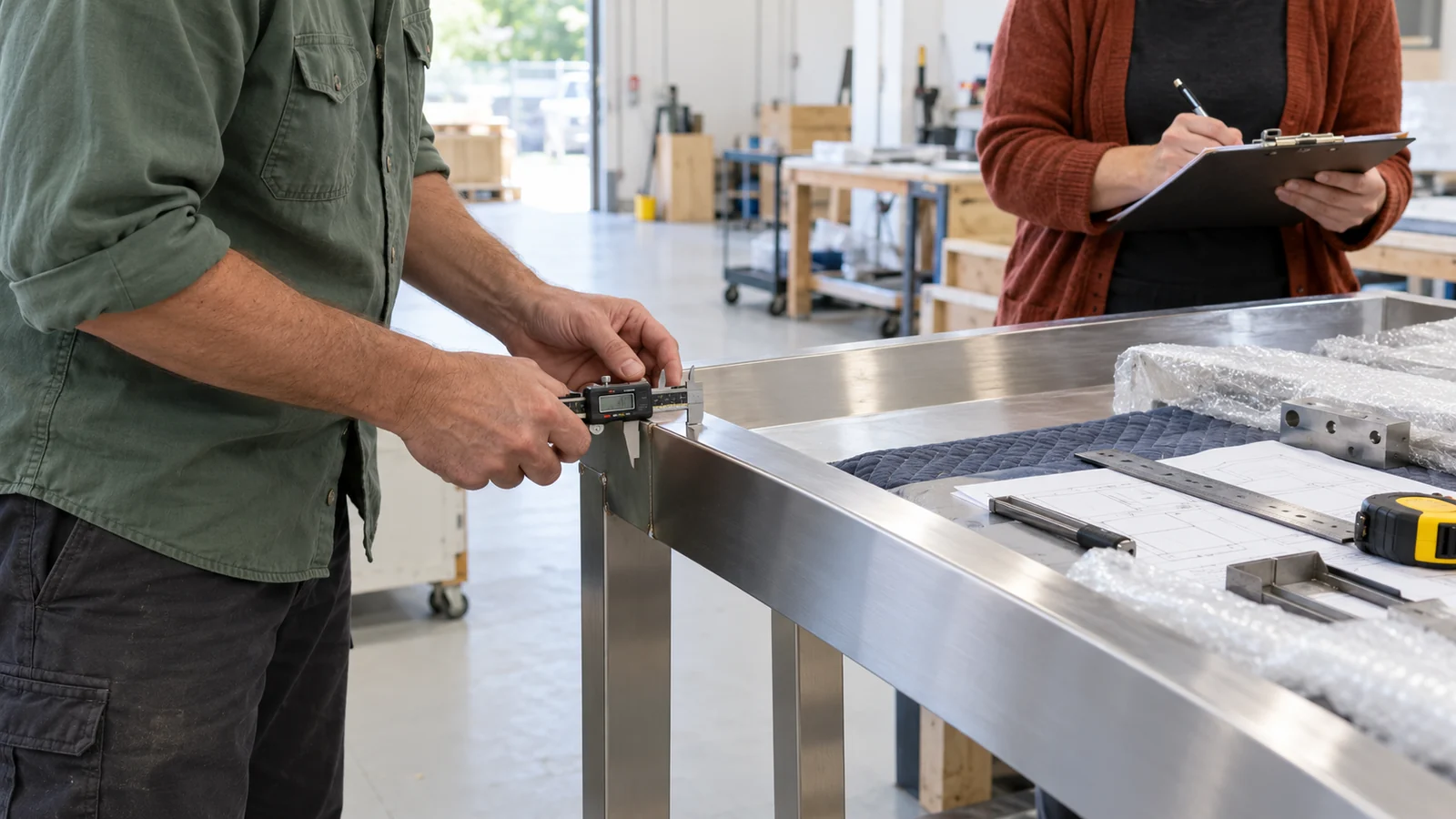
Delivery and power-up do not establish that every project requirement has been verified. Buyer and supplier should agree checks, test conditions, documents and responsibilities when ordering.
Factory acceptance testing (FAT) and site acceptance testing (SAT) can check the manufactured configuration and installed operation respectively, with scope defined for the project.
Build an acceptance matrix from requirements
List configuration, interfaces, controls, alarms, documents and training, specifying check method, owner, record and acceptance criteria. Separate equipment functions from treatment outcomes requiring independent validation.
For temperature and humidity, airflow, sealing or load requirements, define test state, measurement points, instruments, duration and criteria instead of simply writing 'operates normally'.
What to check at the factory
Verify model configuration, dimensions, condition, components, labels and supplied accessories, as well as basic operation, controls and alarms. Review calibration documents and test records as agreed.
Where site conditions cannot be simulated at the factory, identify the item for site verification; do not record an untested item as passed.

Site tests focus on installation and interfaces
Check positioning, condition after handling, power, drainage, ventilation and service access against agreed interfaces. Operating tests should reflect actual controls and building conditions.
Check power loss, alarms, interlocks and recovery using agreed safe procedures; verify workflow with simulated material when practicable.
Confirm treatment results and material suitability separately
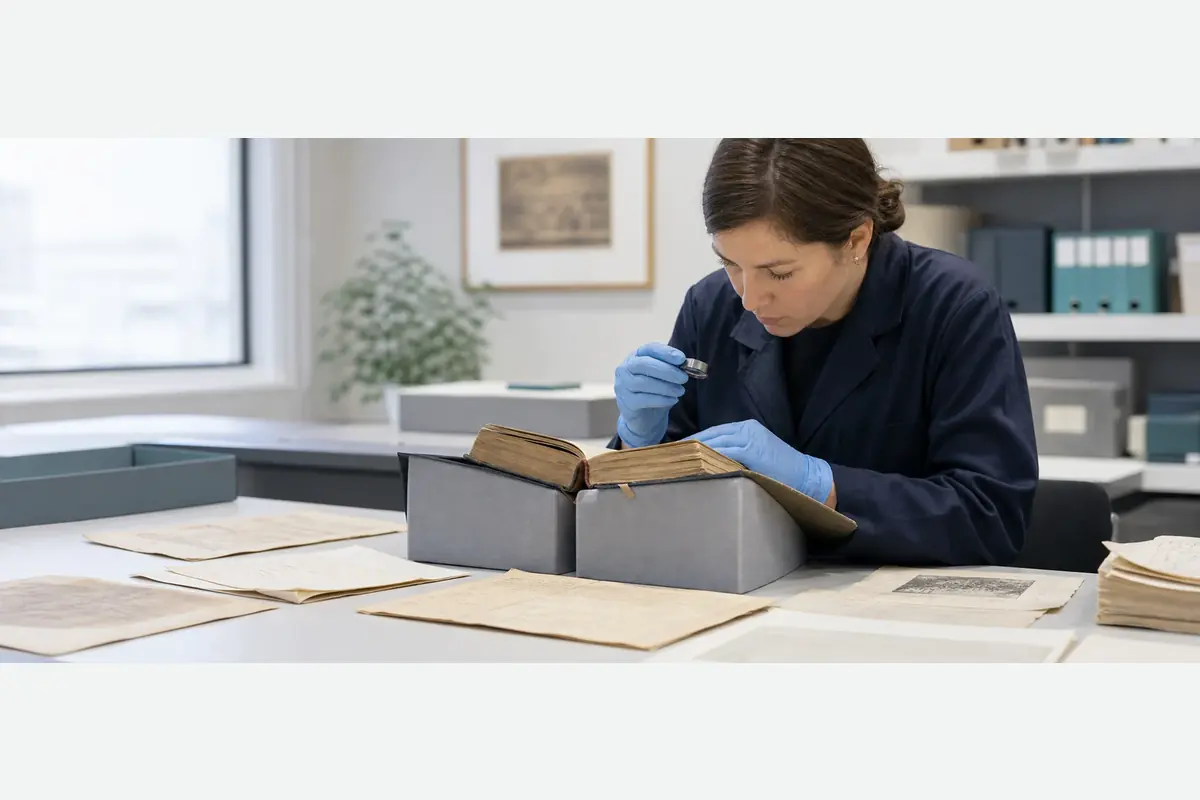
Equipment functions meeting specification does not mean every collection object is suitable. For pest treatment, disinfection, deacidification, drying or other effects, agree representative samples, process conditions, tests and responsible personnel.
Institutional conservation specialists decide whether real objects may enter equipment based on material condition and institutional procedures.
Transfer documents and close issues
Transfer configuration schedules, drawings, manuals, maintenance plans, spares and training records, identifying versions, languages and contacts. Log outstanding items, owners and deadlines.
After retesting and issue closure, complete acceptance under the contract. Include periodic calibration, maintenance and later performance checks in the operating plan.
Example: make a vague requirement testable
For example, expand 'has an alarm' into alarm scenarios, triggers, expected displays or alerts, recording, reset steps and witnesses. For a site interface, identify who prepares it, when it is checked and what happens if it fails.
For treatment results, distinguish instrument readings, sample tests and results on actual objects. A displayed value is part of the process record and does not automatically prove the intended effect on a material.
Handle common deviations
For missing accessories, incorrect conditions or abnormal readings, record facts, impact, interim measures, corrective ownership and retest date. State whether unaffected items can be accepted separately so verbal commitments are not lost.
Include end users in training and retain traceable document versions. After equipment changes, sensor replacement or building alterations, decide whether related checks need repeating based on project risk.
Reference the purchased configuration and version in the acceptance form so optional features are not mistaken for standard ones. Confirm interfaces and responsibilities before testing when instruments, software or accessories come from different parties.
Have operators demonstrate start, stop, recording, cleaning and exception reporting, and maintenance staff demonstrate routine checks. Record open questions and follow-up contacts in the handover.
For equipment requiring long-term tracking, maintain an operating log of maintenance, calibration and exceptions. This helps distinguish equipment changes from changes in site conditions during later reviews.
Sources
- US National Park Service: Museum collections storage handbook
- Library of Congress: Collections care treatment manual
Share procurement specifications and site conditions to discuss acceptance items, records and responsibilities.
Explore related equipment → · Discuss your project →