
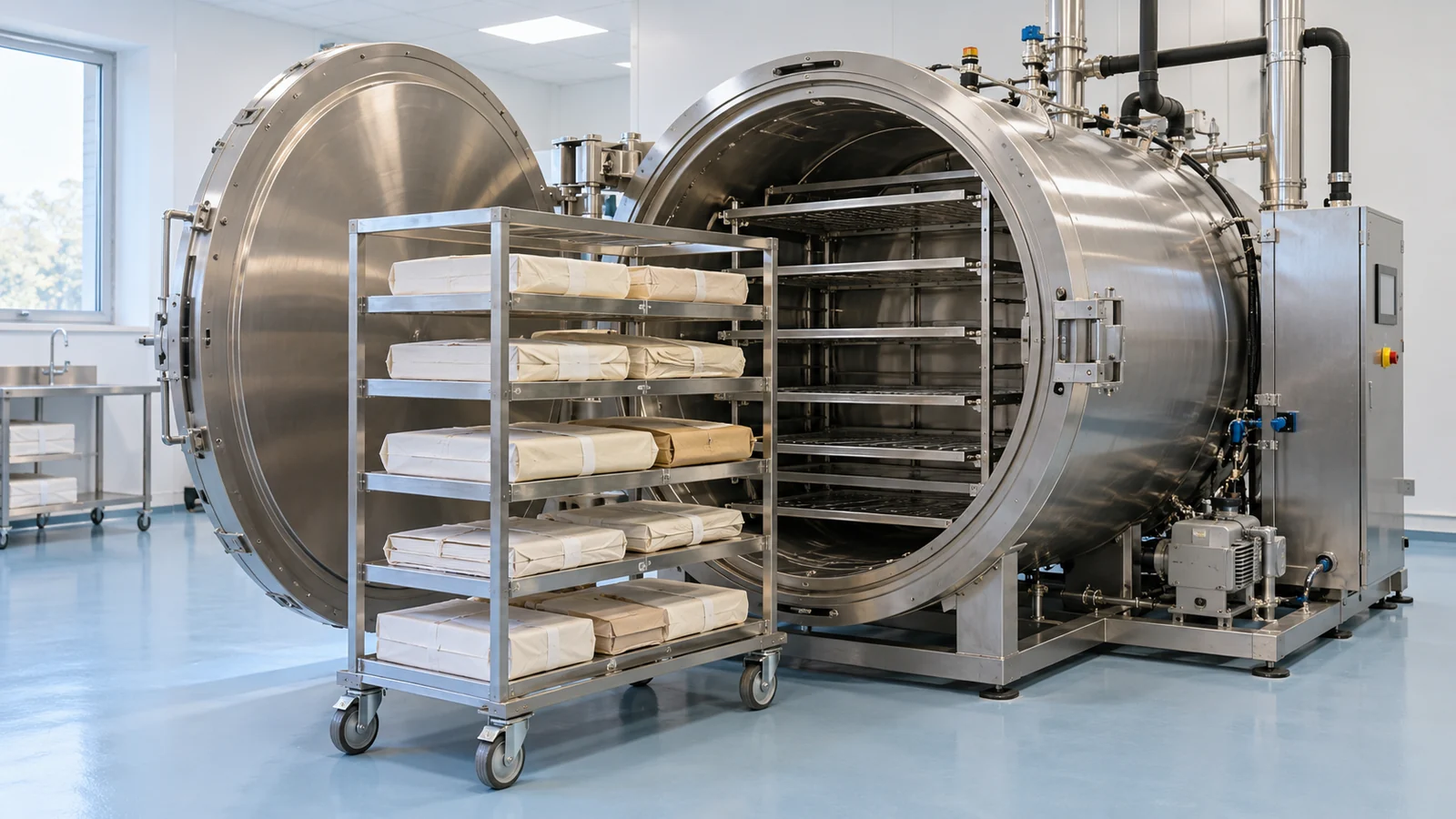
After substantial water damage, an institution may lack the space and staff to air dry books and archives immediately. Vacuum freeze drying can form part of recovery, but materials, condition and resources determine the treatment route.
Before purchasing, develop a collection triage and emergency plan with conservators, then specify expected batches, loading and site conditions.
Assess objects and priorities
Identify proportions of books, loose sheets, coated paper, photographs and mixed materials, plus maximum dimensions, bindings and damage. Water-sensitive inks, leather, parchment and photographs need separate assessment; capacity cannot be estimated by book count alone.
Library of Congress recovery guidance treats triage, stabilisation and drying as connected activities; National Park Service guidance distinguishes different paper and photographic materials. Equipment does not replace professional judgment.
Compare capacity using actual loading
Provide expected batch quantity, typical dimensions, tray arrangement and maximum individual weight. Ask for usable chamber space, shelf spacing, available levels, permitted loads and the basis of any nominal capacity.
Compare quotations using the same simulated collection and loading plan. External size or nominal volume is not the same as usable throughput.
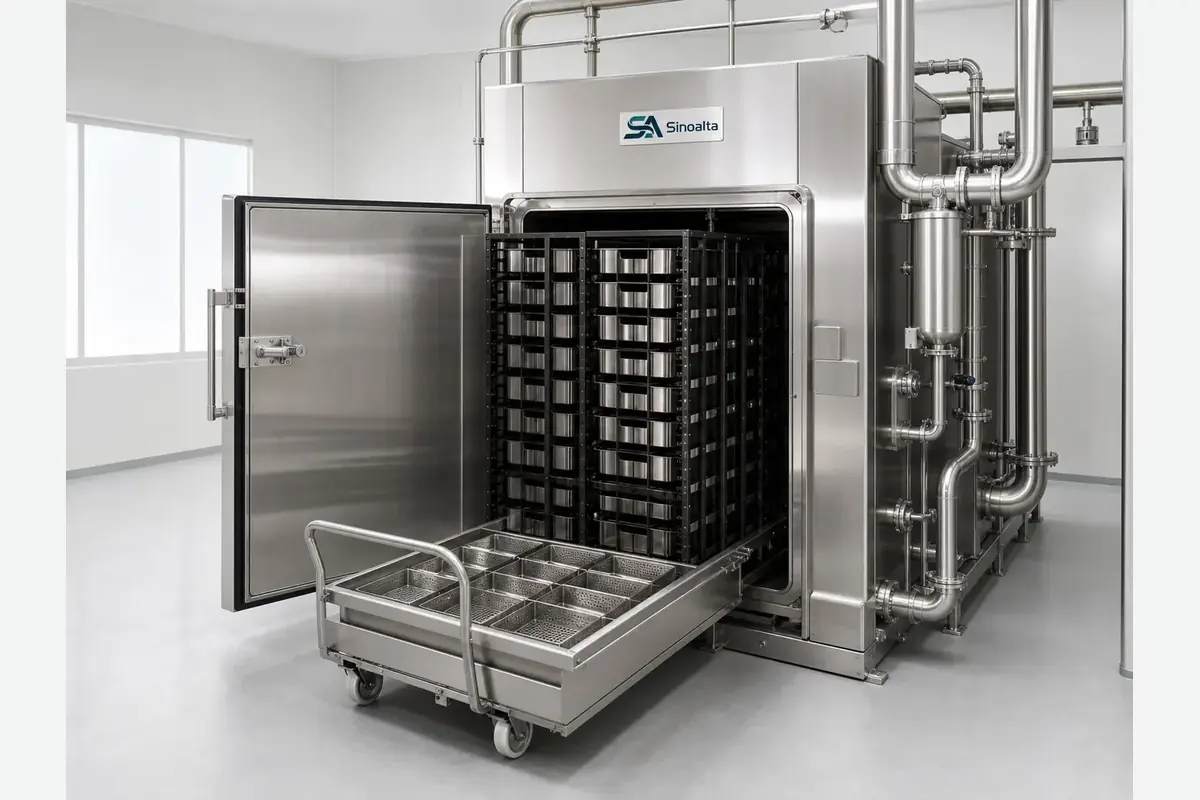
Confirm controls, records and process boundaries
Discuss temperature, pressure, process logging, alarms and power-loss procedures. Define which data can be exported and which parameters operators set. Request steps for each stage and routine maintenance.
Drying outcomes depend on initial moisture, loading density and material. Agree project-specific samples, endpoint criteria and records; an unverified single-cycle time is not a delivery guarantee.
Review site, logistics and operating costs
Check openings, handling routes, floor capacity, maintenance space, power, heat rejection and drainage. Plan wet collection intake, isolation, frozen holding and inspection after drying.
Budget for installation, commissioning, training, energy, consumables, maintenance, spares and emergency staffing. For major events also evaluate external freezing and recovery services.
What to provide for quotation and acceptance
Provide a representative collection schedule, expected batch, site drawings and delivery scope. Require configuration, interfaces, documents, training and exclusions.
Agree factory and site inspection, operating records, alarm tests, acceptance samples and criteria. Start with suitable test materials; conservators then decide whether actual collections should be treated.
Common selection mistakes and trade-offs
Sizing only by the total collection can overstate or understate the need. More useful inputs are the number of damaged objects likely to move at once, staff availability for loading, frozen holding capacity and tray needs for different sizes. State whether equipment is a standby resource or used continuously.
Compare effective loading space, shelves, maintenance clearance and utilities across offered models. Include cold storage, transport and professional services in the project budget rather than comparing equipment price alone.
Confirm assumptions about delivery location, unloading, positioning and building alterations. Ask what training covers, whether written procedures are supplied and how maintenance staff obtain spares.
An executable acceptance example
For example, prepare simulated books and loose sheets and agree loading positions, records and inspectors. Check safe tray movement, whether the interface records agreed data, how staff learn the system's state after power loss, and the instructions and training records.
If drying outcomes must be verified, agree initial conditions, sampling and endpoint determination for the simulated material. Record deviations honestly; the institution must still assess suitability and treatment priority before actual damaged collections enter the equipment.
Sources
Provide typical collection dimensions, expected batch size and site conditions to discuss equipment configuration.
Explore related equipment → · Discuss your project →