
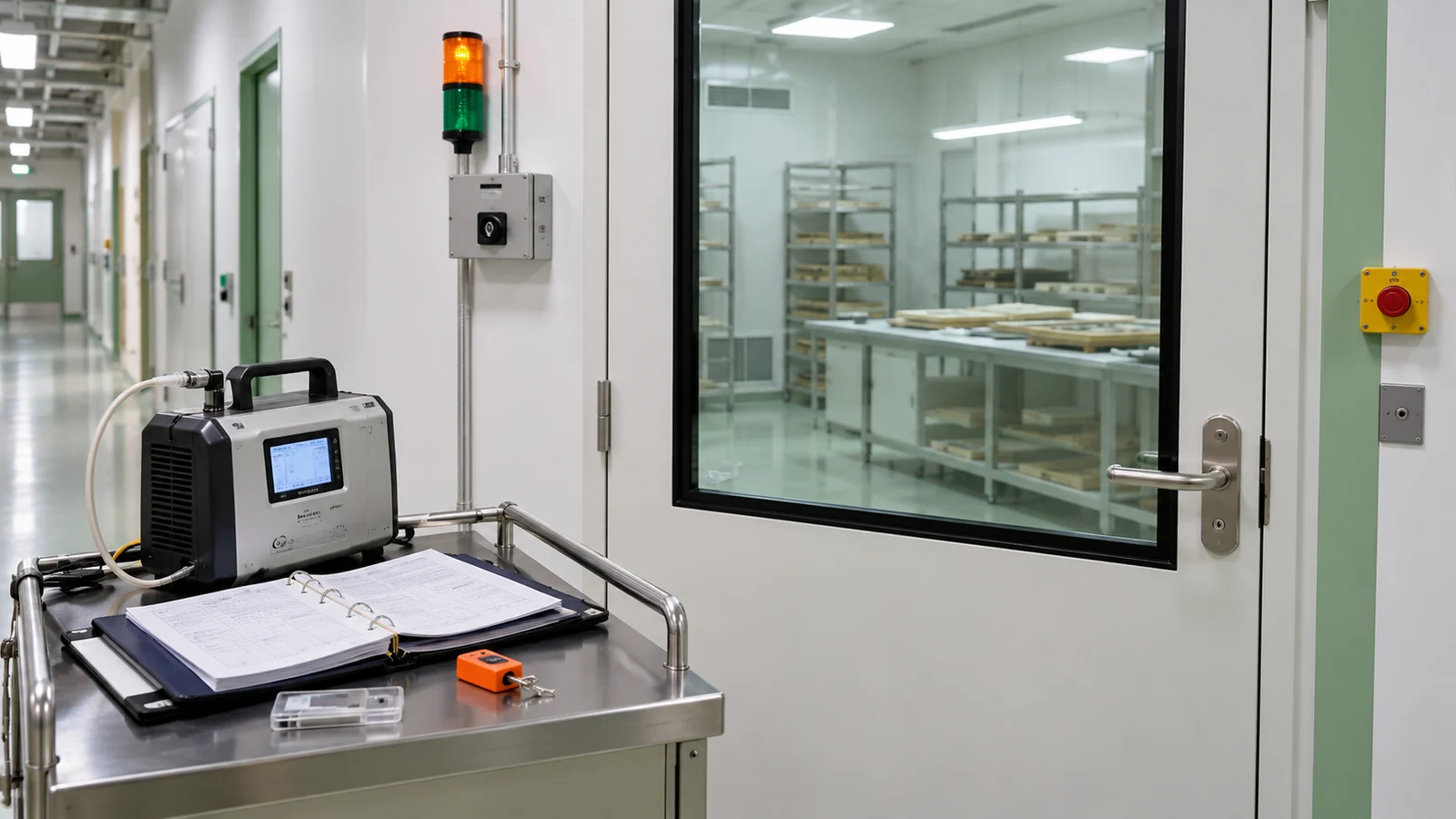
The word disinfection alone is not enough to specify archive treatment equipment. Define the target, collection materials, exposure controls and verification method before judging suitability for a project.
Ozone is an oxidant and respiratory irritant. Equipment can provide controlled treatment conditions, but effects on particular objects and materials require independent assessment.
Define the problem and objects
Identify whether the issue is mould, pests, contamination or odour and have specialists assess its cause. Moisture control, isolation, cleaning and other treatments may each play a role; odour alone cannot establish that a problem is resolved.
List paper, inks, photographs, leather, adhesives and metal fittings; record fragility and previous treatments. Assess compatibility of mixed materials individually.
Request evidence for the target effect
Ask about test objects, target organisms or contaminants, concentration, duration, loading, measurement points and methods. Check whether test materials resemble the collection and whether results were independently verified.
Do not generalise results obtained under one condition to every microorganism or loading arrangement. Agree sampling, assessment and review methods in advance when a project has a defined efficacy requirement.
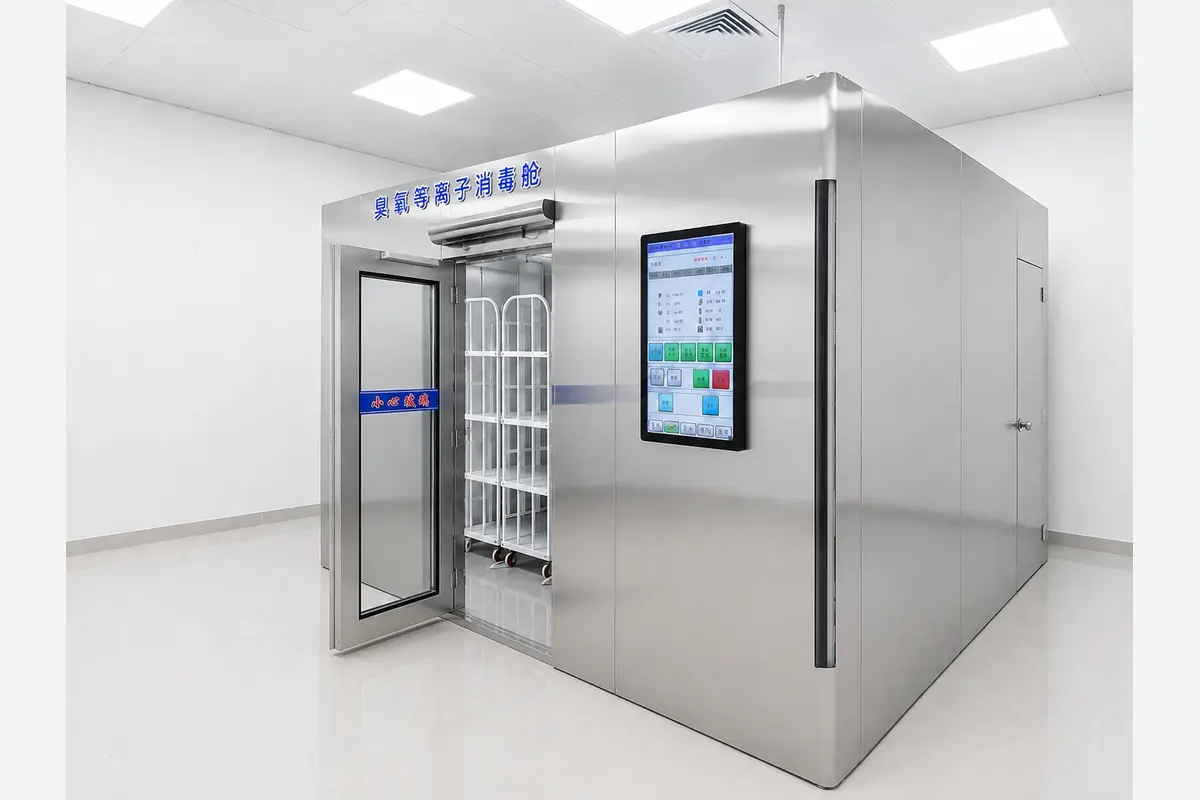
Assess material compatibility and alternatives
Request compatibility evidence for the materials concerned and examine possible changes to colour, strength, surfaces and adhesives. Where evidence is insufficient, specialists should consider tests on non-collection samples and other treatments first.
Treatment equipment does not automatically replace physical cleaning, environmental control or professional conservation. It should not be described as harmless or residue-free for every collection object.
Review staff safety and site conditions
The US EPA identifies ozone as a lung irritant. Review sealing, leak monitoring, interlocks, abnormal shutdown, exhaust treatment, door-opening conditions and maintenance, and establish staff protections under applicable local requirements.
Ask suppliers to explain sensor calibration, alarm testing and fault procedures. The institution's safety lead should determine applicable exposure limits and measurement methods.
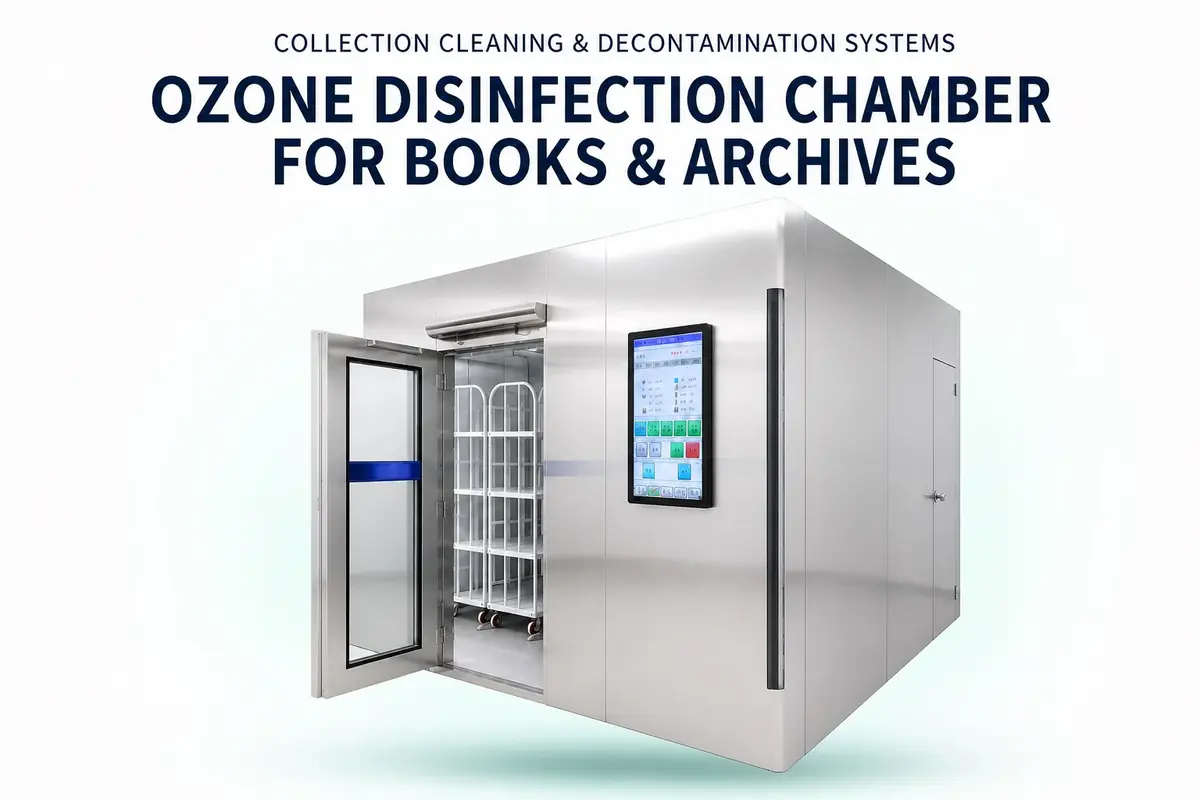
Include requirements in contract and acceptance documents
Specify objects, loading, treatment objectives and site conditions in the RFQ. Request equipment, instruments, documents, training and maintenance; separate supplier assumptions from matters still requiring validation.
Acceptance should cover interlocks, alarms, monitoring and process records, and verify treatment conditions using agreed methods. Institutional specialists decide whether collection objects may be treated.
How to read a treatment efficacy report
Examine the tested objects: were samples exposed openly or placed between pages? Check loading, target position, conditions, sampling and testing. Control groups and detection limits help determine relevance to the institution's use.
A tightly bound book and an exposed sheet are different test conditions. Even with a similar machine, check chamber, sensors, loading and process; ask the supplier to explain differences and propose validation when evidence is incomplete.
Site rehearsal and procurement decision
Use an empty chamber or safe simulated load to rehearse loading, start, alarms, termination and opening after treatment. Safety personnel should know monitoring points, isolation procedures and maintenance responsibilities; include instrument maintenance and calibration.
Consider material compatibility evidence, target-effect evidence and personnel protection together. If any cannot be confirmed under project conditions, obtain specialist assessment before relying on promotional claims.
The RFQ should describe the equipment room, whether it is occupied, alarm notification and responsibility for exhaust and maintenance. The supplier should list required interfaces and test conditions for building, safety and collections staff to review.
If treated objects develop unusual odour, colour or surface changes, stop and document the affected batch under institutional procedures. Specialists should determine follow-up checks according to the material and risk; visual inspection alone may not suffice.
Sources
- US Environmental Protection Agency: Ozone generators and indoor air
- Canadian Conservation Institute: Mould prevention and collection recovery
To evaluate treatment equipment, prepare the target problem, collection materials and personnel safety requirements.
Explore related equipment → · Discuss your project →