
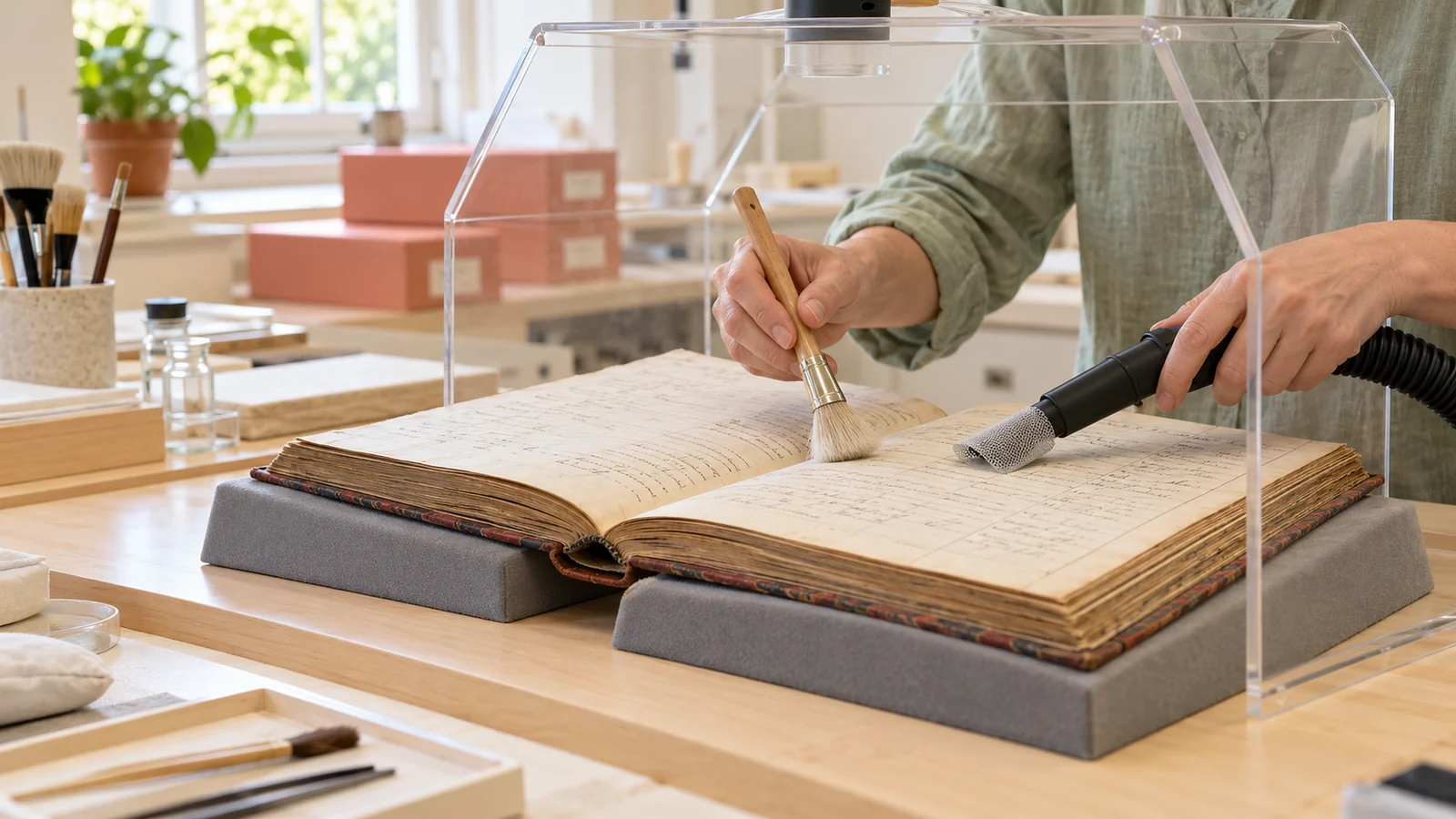
Archive cleaning can involve loose dust, mould residues or unknown contaminants, each with different work practices and risks. Identify the source and handling tasks before specifying capture, filtration and maintenance.
Selection must account for both fragile collections and staff exposure. Institutional specialists should develop the cleaning approach for the objects concerned.
Describe contamination and workflow
List object size, fragility, contamination, daily workload and whether staff will turn pages, brush or locally vacuum. Assess mould and unknown contamination before work to avoid spreading it without isolation.
Use photographs and representative samples to describe the work area and particle sources. Odours, gases and microorganisms should not all be treated as ordinary dust.
Choose workstations, cabinets or central extraction
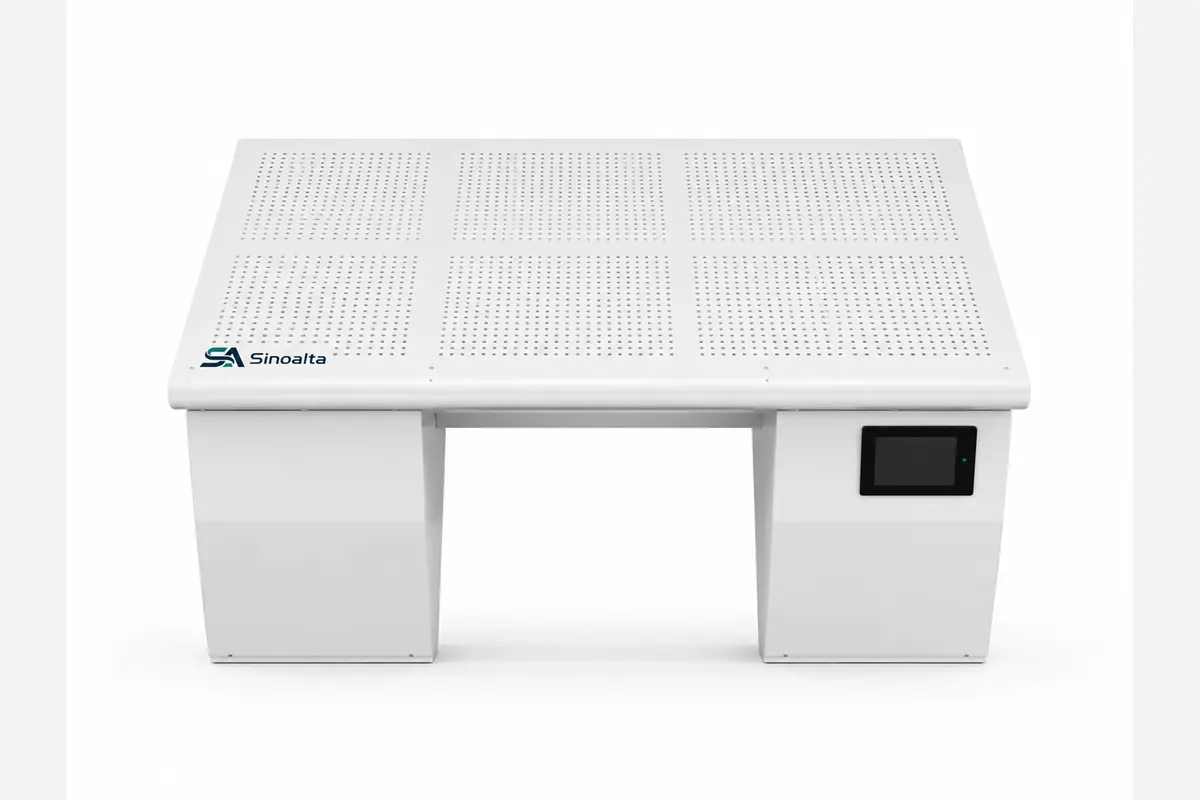
Open workstations allow observation and manual work; enclosed or partially enclosed cabinets offer different degrees of enclosure. Central systems serving several stations require consideration of ducts, simultaneous use and maintenance space. The choice depends on the task and building.
Ask suppliers to explain capture locations, openings, airflow and possible effects on paper or loose media, and demonstrate with simulated material where appropriate.
Review filtration and maintenance
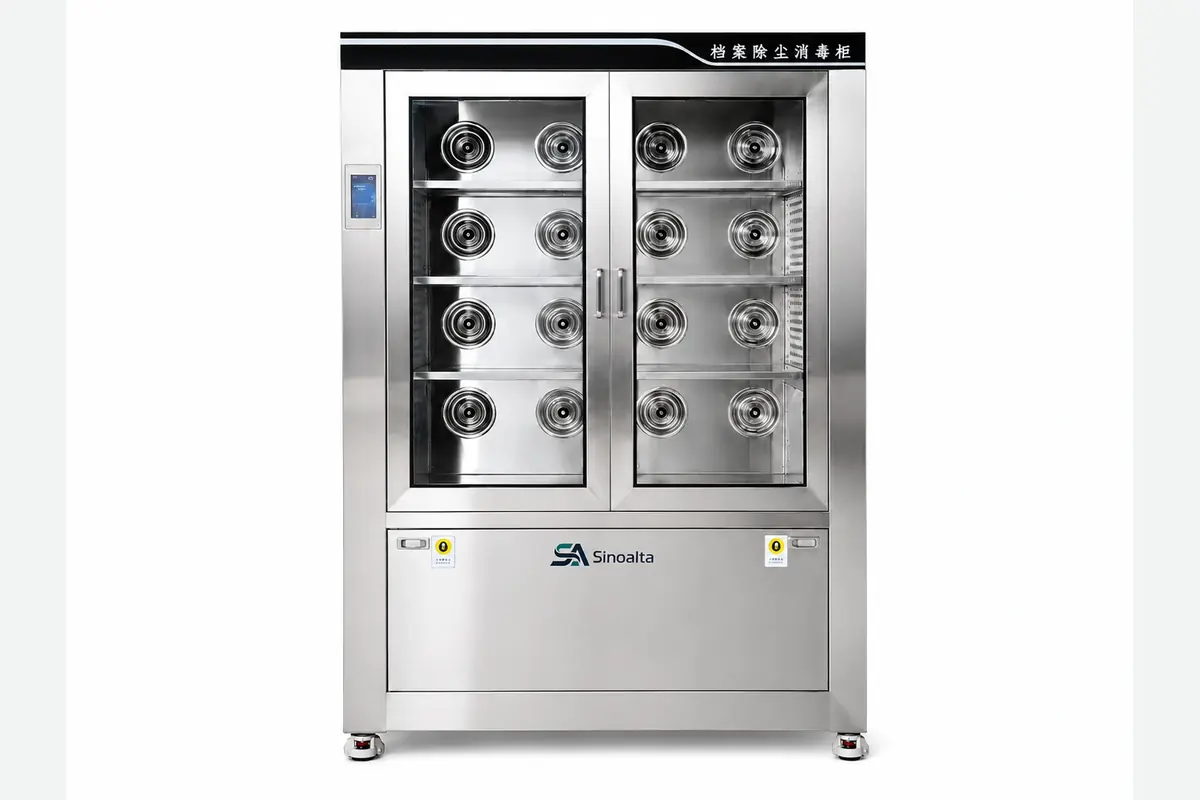
Understand prefiltration, final filtration, filter replacement and waste disposal. Check that filter classifications and test documentation apply to the supplied configuration. Filter grade alone does not establish capture effectiveness at the work area.
The Canadian Conservation Institute's mould guidance discusses tools including HEPA-filtered vacuums. Mould-affected materials also require contamination assessment, isolation and staff protection.
Define site interfaces and operation
Check equipment dimensions, service access, power, noise, exhaust destination and building interfaces. Qualified personnel should assess outdoor exhaust or indoor recirculation against contaminant type and local requirements.
Ask about start and stop controls, airflow adjustment, filter status indication and fault procedures. Allocate responsibility for training, cleaning and maintenance.
Write the RFQ and acceptance criteria
Provide workstation count, objects, representative tasks, site drawings and operating hours. Request the configuration, filter documentation, delivery scope and anticipated maintenance.
Agree measurement locations, operating conditions and acceptance methods in advance. Simulated work can check airflow, operating space, alarms and records; qualified personnel should assess occupational exposure under applicable requirements.
Use common conditions to compare suppliers
Ask every supplier to respond to the same opening dimensions, simultaneous operators, tasks and operating conditions. For central ducting, specify workstation locations, duct length constraints, simultaneous use and responsibility for the building exhaust connection.
Request separate pricing for prefilters, final filters, accessories, installation, training and filter inspection and replacement. Record assumptions and responsibility for later confirmation when a site survey is needed.
Test the workflow with simulated tasks
During acceptance, operators can place, turn, lightly brush and remove non-collection samples, then clean the worktop. Observe whether openings, lighting or equipment obstruct the work, and check safe filter access and removal against the manual.
A running fan or filter label alone does not establish protection. Where airflow or exposure criteria are required, relevant specialists should define test points, conditions and instruments, recording the state of doors, windows and building ventilation.
Maintenance records can include operating condition, filter inspections and replacements, problems and the person responsible. Confirm correct installation after replacement and handle collected material under institutional procedures and the actual equipment instructions.
If a single station later becomes a multi-station system or duct routing changes, have specialists reassess the system. Existing equipment figures do not automatically establish capture performance under new conditions.
Sources
Share workstation count, contamination type and site layout to discuss capture and filtration options.
Explore related equipment → · Discuss your project →