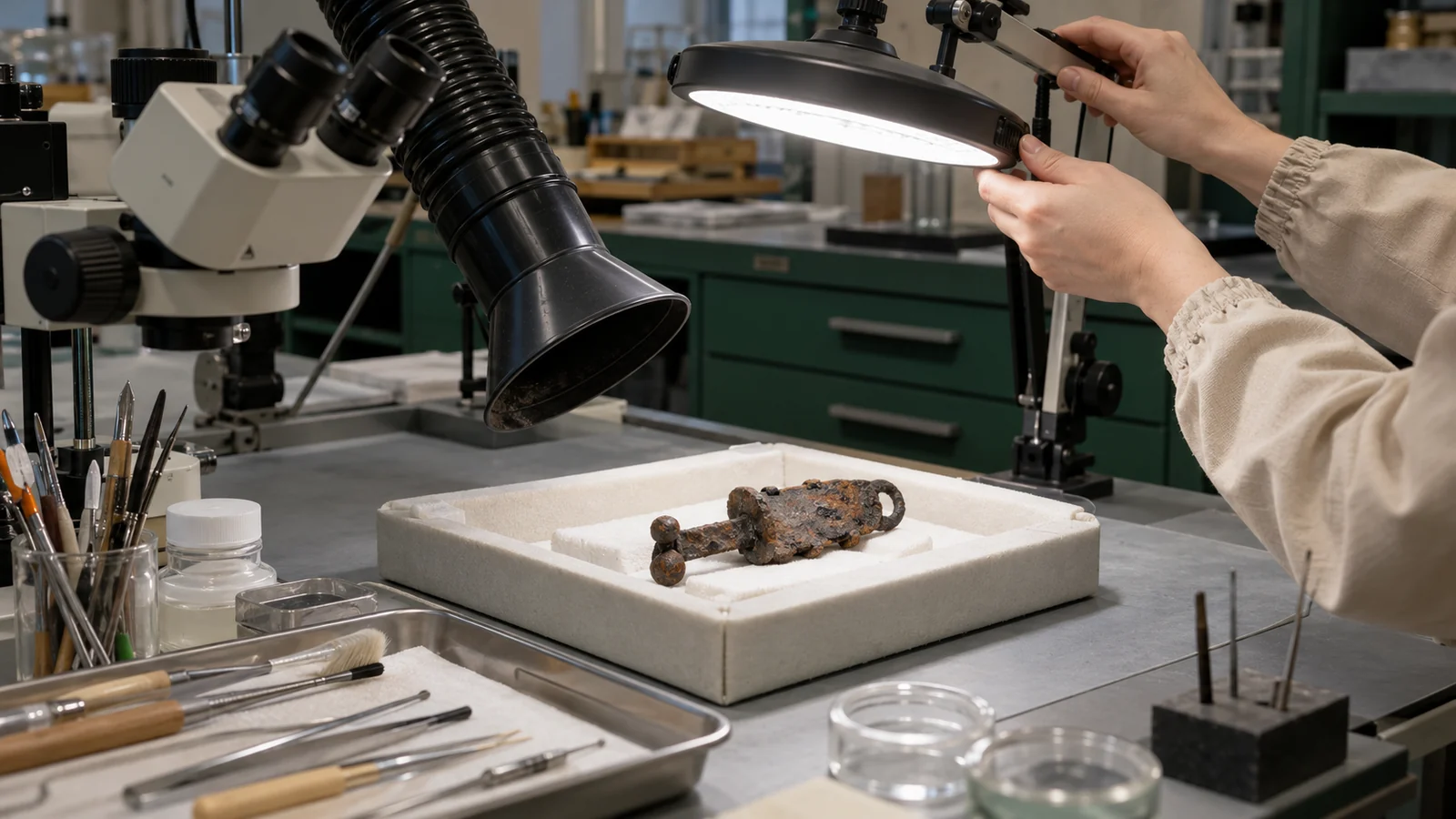
Cleaning metal artifacts can involve examination, documentation, mechanical cleaning and local treatment. The workstation must accommodate object dimensions and operators while addressing dust, noise and other exposure risks.
Start with actual tasks and have conservators and the institution's safety lead define operating and control requirements together.
Describe the objects and tasks
List maximum object dimensions, weight, shape and fragile areas, plus microscopy, photography and manual or mechanical cleaning. Assess unknown corrosion products and contaminants before work.
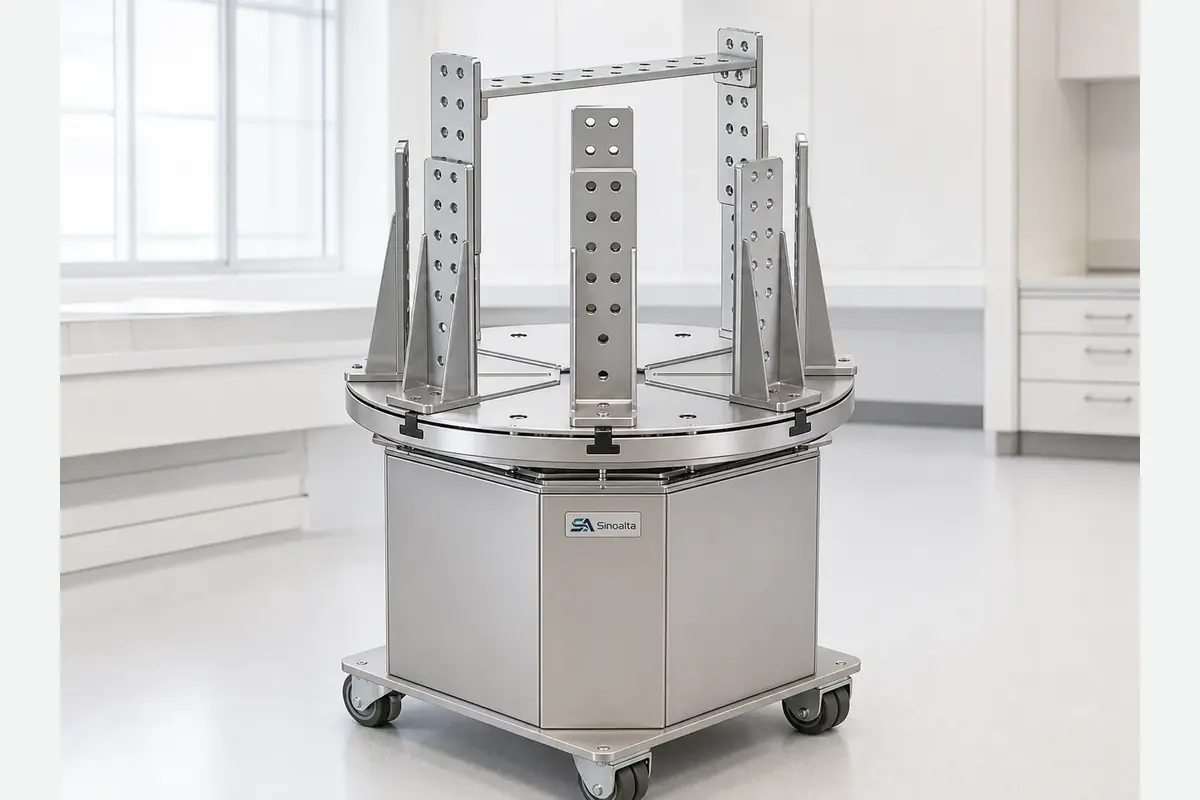
Consider object support, tool storage and movement rather than selecting on worktop dimensions alone.
Choose the workstation and extraction combination
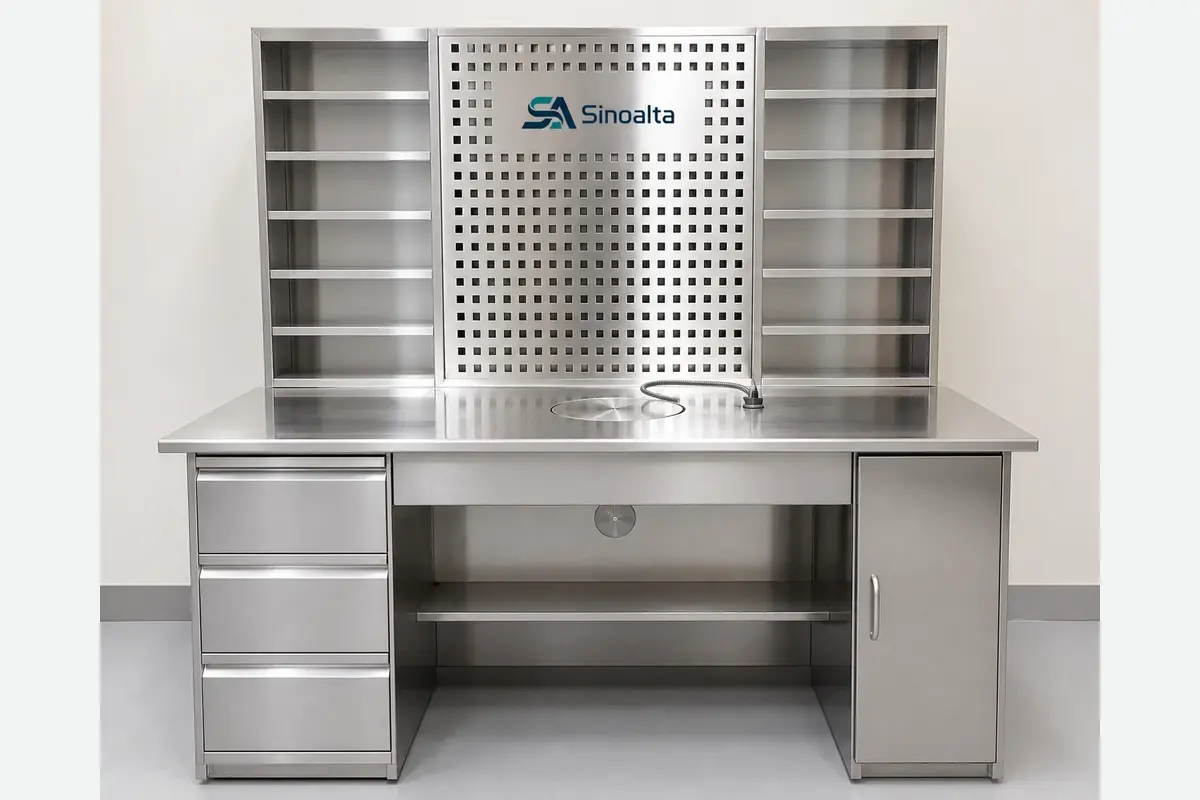
Combine a bench, local extraction hood or dust-extraction workstation according to the task. Capture should be close to the source without obstructing observation, tools or object support.
Check openings and airflow for different working positions; one filtration configuration does not automatically address all dusts, gases or vapours.
Check filtration and maintenance
Discuss filtration, exhaust and filter replacement by contaminant type, requesting documents for the actual configuration. Include filter changes and collected-waste handling in institutional safety procedures.
Ask about cleaning, service access, wear parts, noise and abnormal conditions so maintenance can be performed in practice.
Check site interfaces and user experience
Confirm power, lighting, equipment weight, floor load, ventilation and exhaust destination. Check separate interfaces and safety requirements for other tools or chemicals.
Plan height and controls around staff stature, working distance, microscopy and photography. Demonstrate typical postures with simulated objects.
RFQ and acceptance information
Provide object dimensions and weight, tasks, workstation count and building conditions. Request separate descriptions of bench, extraction, filtration, accessories and installation.
Agree inspection items, measurement conditions, records and training. Qualified personnel should assess contaminant exposure against actual work and applicable requirements.
Prepare a representative work scenario
Describe hand tools, magnification, lighting, object support, particle sources and access directions. For heavy objects, identify handlers, auxiliary support and worktop load requirements.
Ask each supplier whether the capture opening obstructs vision or tool movement and how the object and work area are cleaned. Itemise extraction, filtration, lighting and accessories in the quotation.
Acceptance should go beyond appearance
Demonstrate placement, observation, tool use and cleaning with a simulated object. Check space, support, lighting and extraction controls. Define required test methods, points and normal operating conditions in advance and use appropriate personnel.
Check filter access, removal and return-to-service steps, retaining training and maintenance records. Reassess conditions if tools, materials or exhaust routes change; earlier results do not automatically remain valid.
Providing only an equipment name is a common mistake. Open work, enclosed cleaning and work involving volatile substances can have different needs; suppliers need the source, tools and room conditions to define scope.
Operating records can cover tasks, abnormal alarms, filter maintenance and training. If capture obstructs delicate work, revisit object support and hood position rather than removing necessary controls.
For connection to building exhaust, confirm interface, available conditions and approval responsibility. The supplier provides connection requirements; relevant professionals determine whether the building system meets them.
Sources
- Canadian Conservation Institute: Care of archaeological collections
- Canadian Conservation Institute: Archaeological conservation services
Share object dimensions, cleaning methods and site ventilation conditions to discuss workstation and extraction options.
Explore related equipment → · Discuss your project →