Controlled-environment equipment is most effective when the protection objective is defined before a cabinet, chamber, workstation or room is selected. The same enclosure can perform very differently depending on the material, the environmental variable being controlled, access frequency and the surrounding site conditions.
1. Start with the material and its main risks
Different materials respond differently to moisture, oxygen, temperature change, particles, pollutants, pests and biological activity. A paper archive, a metal object, a research specimen and a moisture-sensitive industrial material may therefore require different protection priorities even when they appear to need a similar storage format.
Before discussing a model number, record what is being protected, its condition, quantity and dimensions, the expected storage period and the type of damage that must be limited. This creates a clearer basis for deciding whether the application requires humidity control, low humidity, controlled atmosphere, cleanliness control, monitoring or a combination of functions.
2. Translate the protection objective into environmental variables
General terms such as “constant temperature and humidity,” “dry,” “clean” or “inert” are useful starting points, but they are not complete technical requirements. A review should identify which variables matter, how they will be measured and what happens when the protected space is opened.
- Temperature, relative humidity or dew point.
- Oxygen level or required gas composition.
- Particle, dust or pollutant concern.
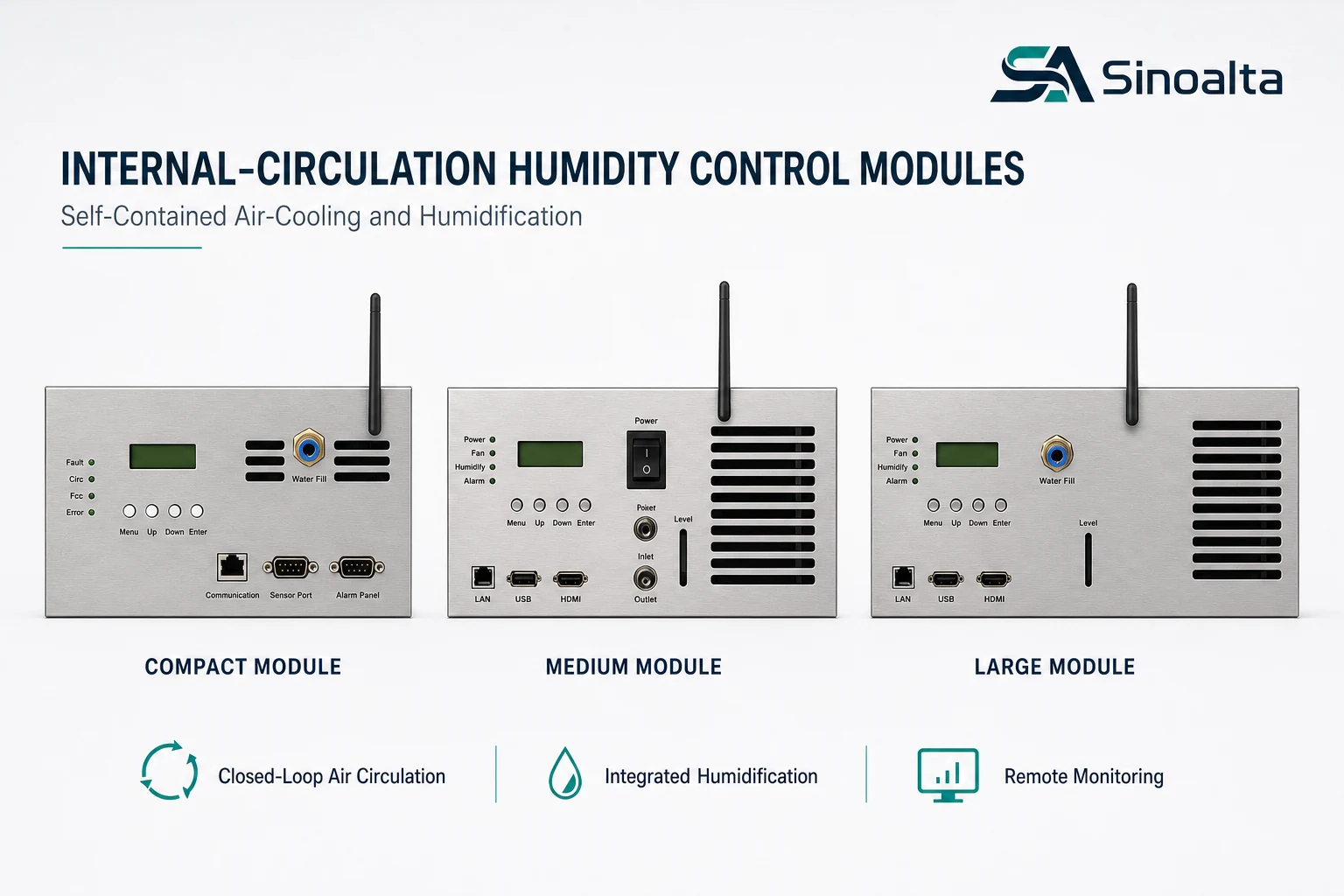
- Monitoring, recording, alarms and remote visibility.
- Recovery expectations after access or material loading.
Engineering note: Any numerical range shown in a general guide is a screening reference, not a universal setpoint or guaranteed product specification. Final requirements must be reviewed against the material, project conditions and applicable standards.
3. Match the enclosure to the operating workflow
The protected volume is only one part of equipment selection. Door-opening frequency, operator access, material transfer, internal fixtures, cleaning, utilities and maintenance access all influence the practical system boundary.
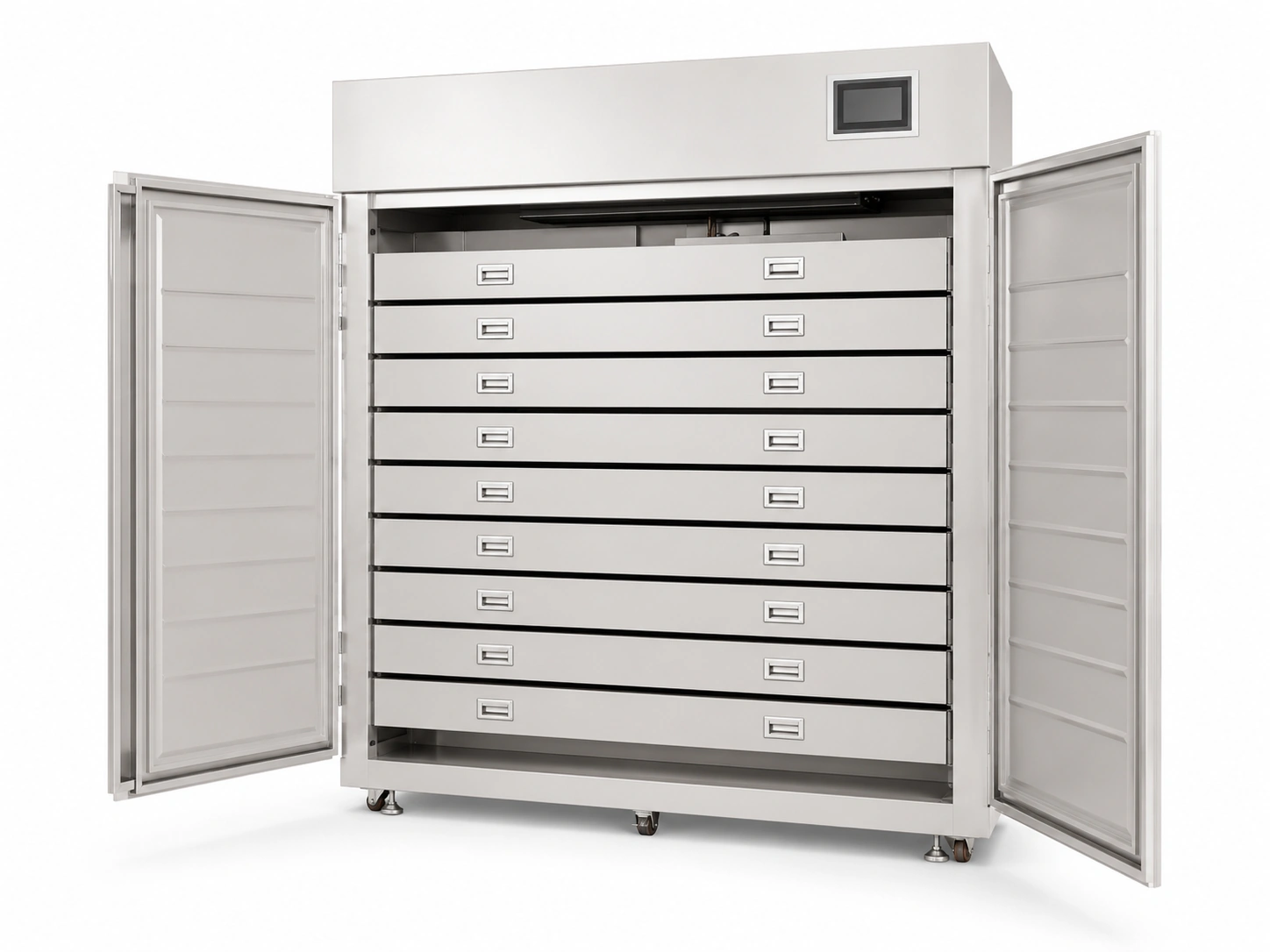
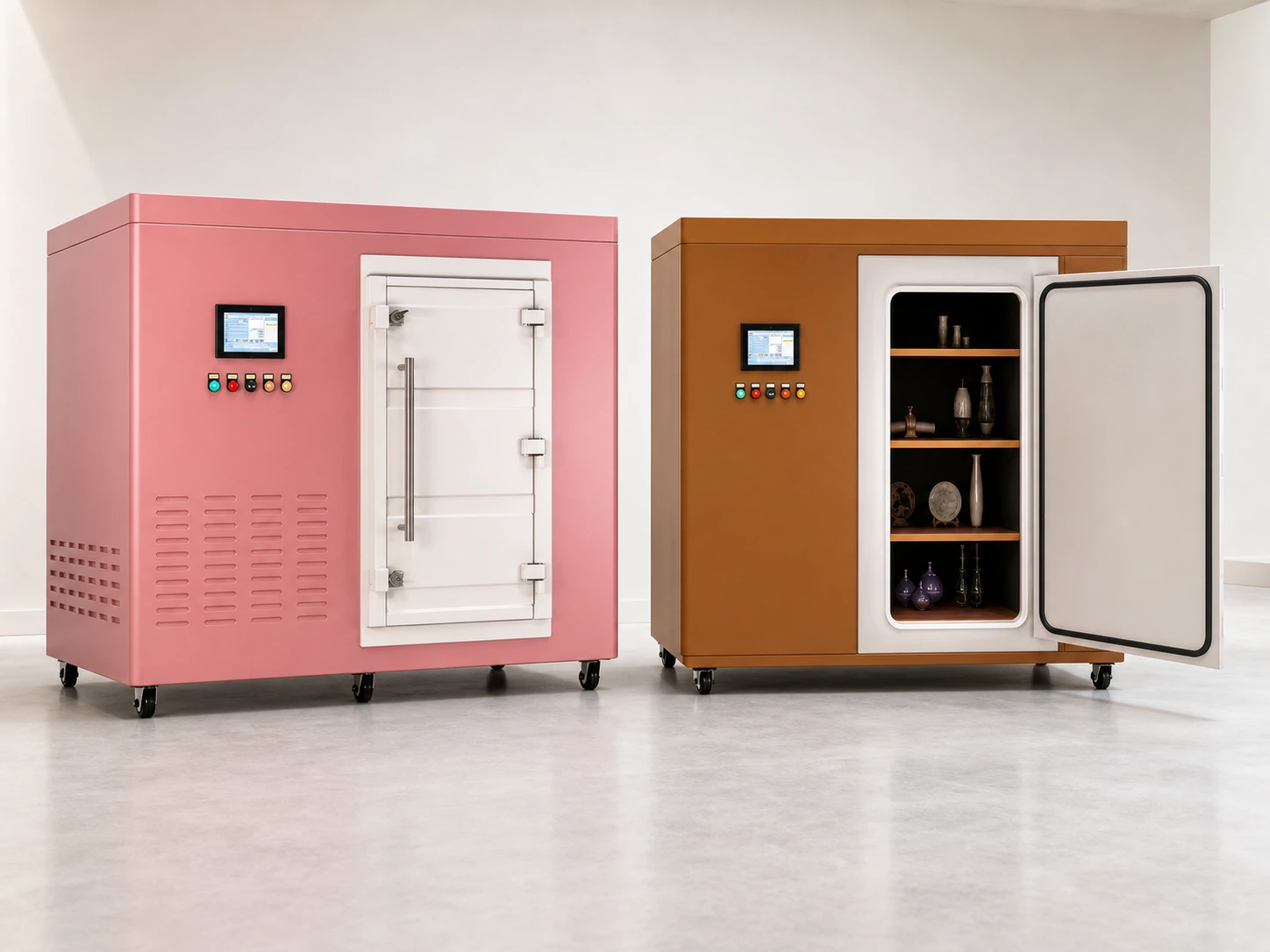
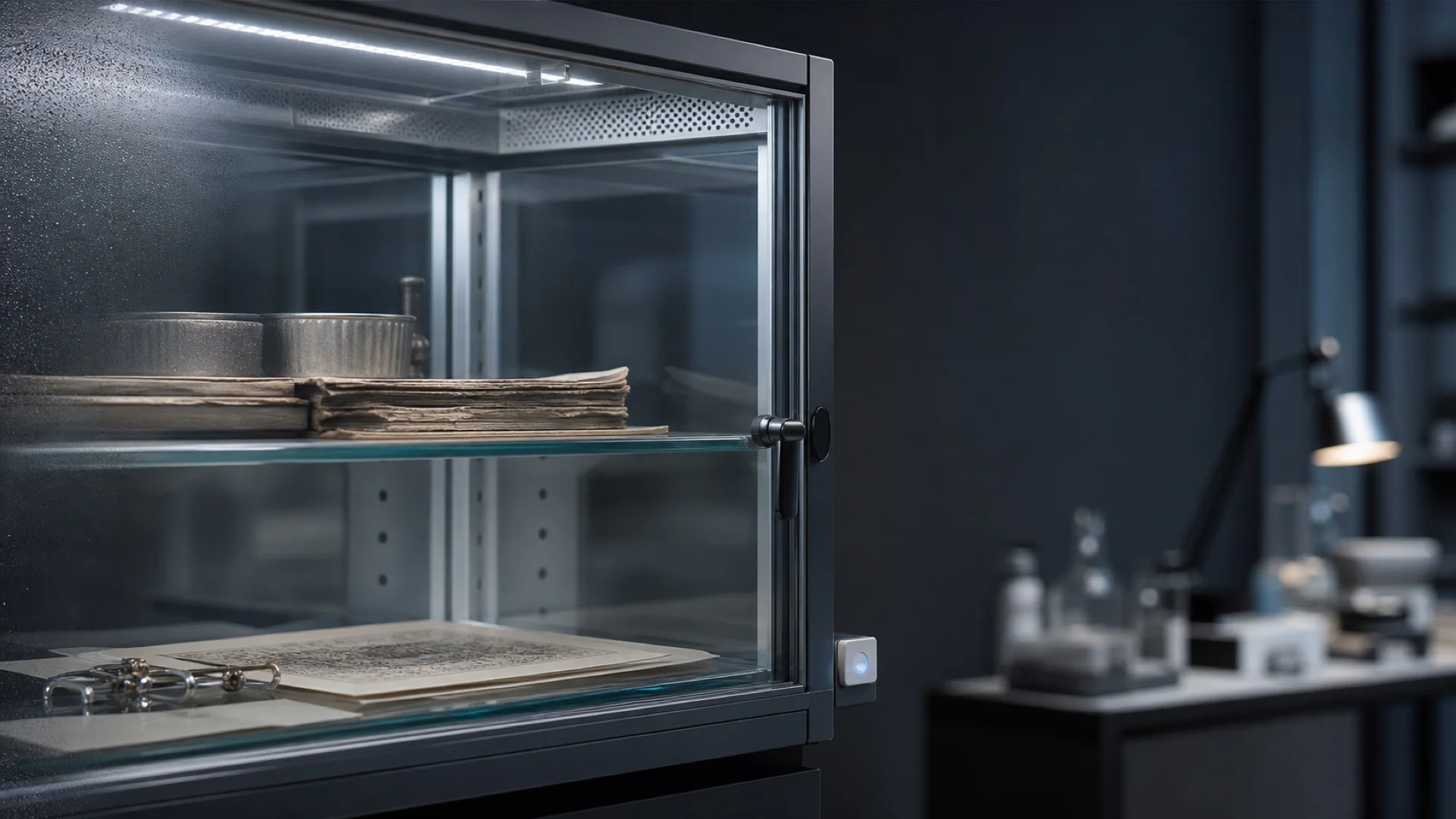
A cabinet may suit contained storage with controlled access. A display case is appropriate when preservation and public viewing must coexist. A workstation supports handling or processing inside a controlled boundary, while a controlled room may be more practical when operators, multiple systems or large objects must share one environment.
4. Prepare the information needed for technical review
A productive technical discussion does not require a complete specification. Start with the information already available and identify what still needs to be confirmed.
- Material or sample type, quantity, dimensions and current condition.
- Main risk and desired protection outcome.
- Access frequency, handling process and expected storage duration.
- Available space, power, gas, ventilation and site restrictions.
- Monitoring, documentation, alarm and integration requirements.
Conclusion
Equipment selection becomes clearer when the conversation moves from “Which product should I buy?” to “What must be protected, from which risks, under what operating conditions?” This material-first approach helps connect the application to a practical controlled-environment system without adding unnecessary functions or overlooking critical constraints.