A museum has confirmed an insect infestation. The next question is often practical: should the object be treated by nitrogen anoxia or by controlled freezing?
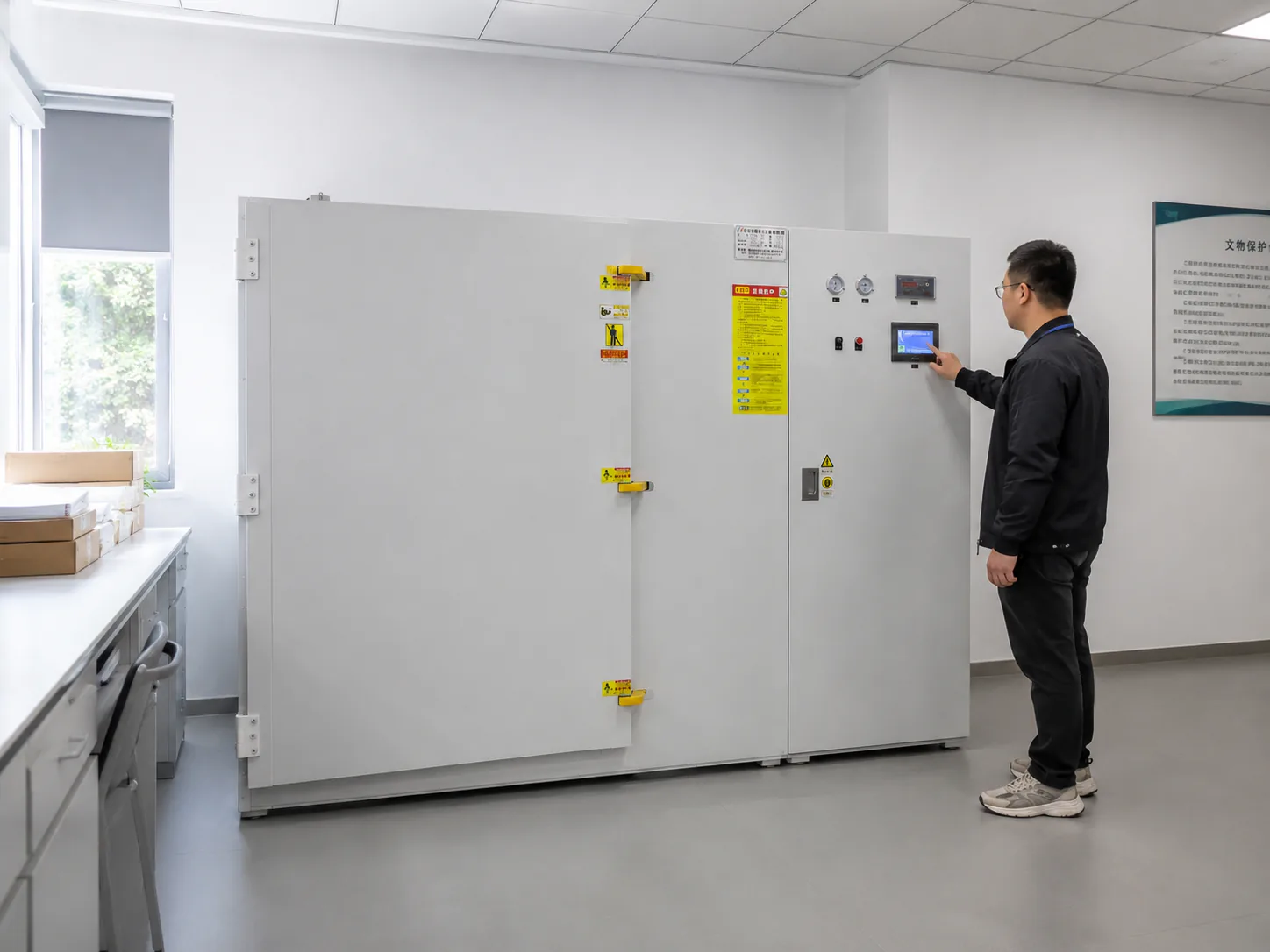
Both methods can eliminate many museum insect pests without leaving conventional pesticide residues. But they are not interchangeable.
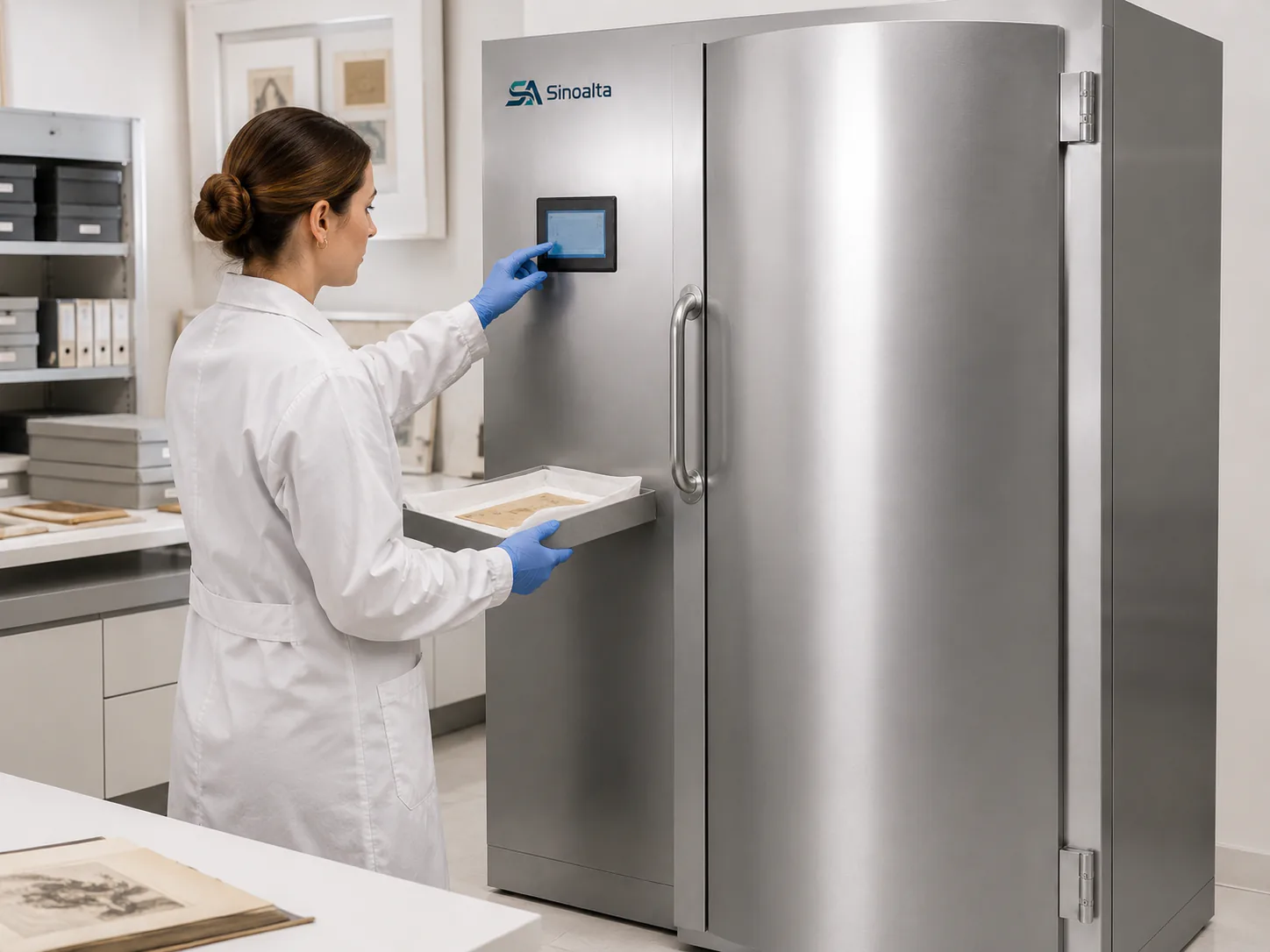
Freezing works by exposing the pest to lethal low temperatures. Nitrogen anoxia works by creating a very low-oxygen atmosphere and holding it for a validated exposure period. The better option depends on the object, the pest, treatment time, available equipment and the institution's workflow.
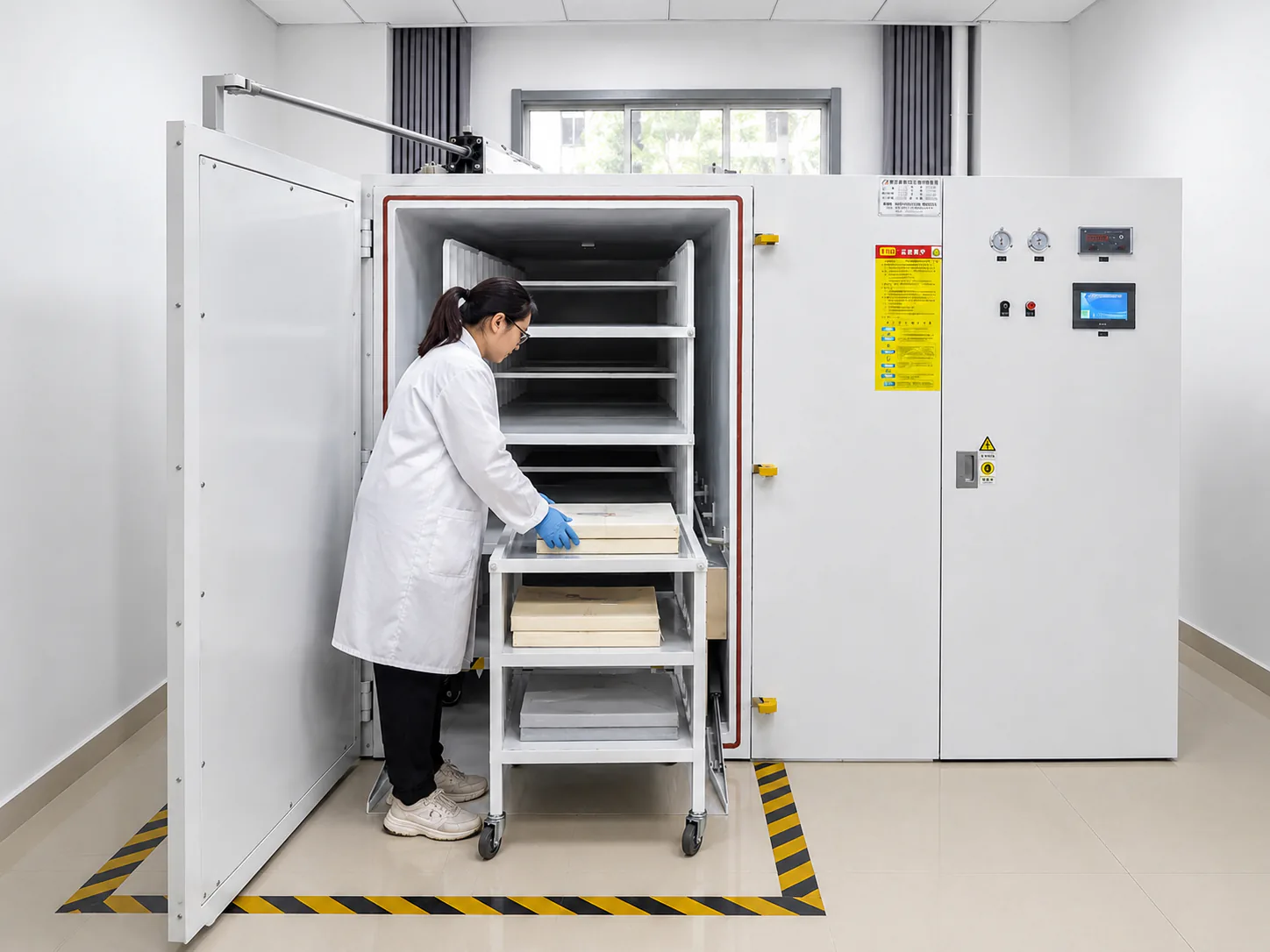
The decision should therefore start with collection risk, not with the equipment already available.
Direct Answer: Which Method Is Better?
Neither method is universally better.
Controlled freezing is often attractive when suitable objects can tolerate low temperature and the institution needs a relatively fast, practical treatment. Nitrogen anoxia is often attractive when deep cold is undesirable or when a sealed low-oxygen treatment can be managed more safely for the object.
Professional guidance from the Canadian Conservation Institute treats both as established non-chemical pest-control options. CCI also makes clear that their operating conditions are different. Freezing depends on temperature, exposure time and heat transfer through the object. Anoxia depends on oxygen concentration, temperature, exposure time and enclosure integrity.
A good treatment decision asks:
What are we treating, what insect are we targeting, and which method creates the lower collection risk?
Quick Comparison
| Decision factor | Nitrogen anoxia | Controlled freezing |
|---|---|---|
| Primary mechanism | Very low oxygen | Lethal low temperature |
| Common treatment scale | Bags, tents, rigid chambers, walk-in systems | Cabinet, chest, walk-in or project freezer |
| Typical treatment time | Often days to weeks | Often around one to two weeks depending on protocol |
| Main process controls | O₂, temperature, RH, exposure time, leakage | Temperature, core temperature, exposure time, cooling rate |
| Main material concern | Some low-oxygen-sensitive colorants and unusual reactive materials | Temperature-sensitive or mechanically vulnerable composite objects |
| Moisture control | Important, especially with dry nitrogen flow | Bagging helps limit condensation and moisture change |
| Main infrastructure need | Airtight enclosure, nitrogen source, low-range O₂ monitoring | Freezer capacity, air circulation, temperature monitoring |
| Good fit | Objects where deep cold is undesirable; controlled batch treatment | Many robust organic objects; practical institutional pest response |
This table is a starting point, not a treatment prescription.
First Confirm That the Problem Is an Insect Infestation
Anoxia and freezing are insect-disinfestation methods.
They should not be selected simply because an object smells musty, shows staining or contains old insect damage.
Before treatment, confirm as much as possible:
- whether the infestation is active;
- which pest is involved;
- where the activity is located;
- which objects may also be affected;
- whether the material is suitable for the proposed treatment;
- whether the source of reinfestation has been addressed.
This is why both methods belong inside an Integrated Pest Management (IPM) programme.
Treatment can kill insects in an object. It does not repair a leaking building, remove a food source, seal a door gap or stop insects arriving in new acquisitions.
How Controlled Freezing Works
Freezing uses low temperature to exceed the insect's ability to survive cold exposure.
Museum insects do not all respond in exactly the same way. Species, life stage and previous temperature history can affect cold tolerance. The object also needs time to cool through its full thickness.
CCI gives practical low-temperature treatment guidance in the range of roughly −20°C to −30°C, with exposure periods commonly around one to two weeks depending on the chosen protocol. Its more detailed low-temperature note also stresses that treatment success depends on reaching the required temperature throughout the object, not just in the freezer air.
This point matters for:
- thick books;
- rolled textiles;
- packed boxes;
- dense wooden objects;
- stacked materials.
If the centre remains warm, the treatment may not be complete even though the freezer display shows the target temperature.
Bagging is part of the process
Objects are normally enclosed in a suitable vapour-barrier bag or equivalent container before freezing.
This helps:
- contain insects;
- reduce moisture exchange;
- limit condensation on the object during rewarming;
- keep treated and untreated material separated.
After treatment, the sealed object is allowed to return to room temperature before the bag is opened.
How Nitrogen Anoxia Works
Nitrogen anoxia replaces normal air inside a sealed enclosure with nitrogen until oxygen is reduced to a very low level.
Getty Conservation Institute publications describe museum anoxia using nitrogen or argon at less than about 1000 ppm oxygen, or approximately 0.1% O₂, as a key reference condition.
But a single oxygen reading does not prove treatment success.
The required atmosphere must be maintained for the full exposure period. That means the process depends on:
- oxygen concentration;
- temperature;
- exposure time;
- enclosure airtightness;
- gas distribution;
- relative humidity where relevant.
CCI notes that low-oxygen treatment becomes less effective at cooler temperatures. This is important because the temperature logic is almost the opposite of freezing.
For freezing, colder conditions generally support insect mortality.
For anoxia, cooler conditions can slow insect metabolism and lengthen the time required.
Treatment Time: Freezing Is Often Faster, But Do Not Use a Universal Number
A common reason institutions consider freezing is speed.
Published museum protocols often use about one to two weeks of low-temperature exposure. Anoxia guidance commonly describes treatment periods from roughly one to three weeks, with longer exposure possible for more tolerant pests such as some wood borers.
However, these are reference ranges, not universal timer settings.
The correct comparison is not:
Seven days versus fourteen days.
It is:
How long does this pest need under these actual treatment conditions?
For freezing, confirm that the object itself reaches the required temperature.
For anoxia, confirm that the low-oxygen condition is reached and maintained throughout the validated exposure period.
Material Compatibility Often Decides the Choice
This is where a simple comparison chart stops being enough.
A treatment that is effective against the insect can still be unsuitable for the object.
When freezing needs extra caution
NPS museum guidance specifically warns that some materials can be damaged by freezing. Examples include wax, certain inlaid wooden objects and canvas paintings.
CCI notes that many museum objects tolerate low-temperature pest treatment well, but also explains that low temperature can make some polymers, coatings and other materials more brittle while cold.
The practical lesson is:
Do not judge compatibility only by the main material. Review the whole object.
A wooden object may also contain:
- wax;
- paint;
- adhesives;
- metal inlays;
- brittle coatings;
- tensioned components.
A book may contain:
- leather;
- parchment;
- coated paper;
- plastics;
- pressure-sensitive materials;
- inserts.
Composite construction matters.
When anoxia needs extra caution
Nitrogen anoxia is compatible with a broad range of museum materials, which is one reason it is widely used.
But it should not be described as universally safe.
CCI and Getty note that a small number of colorants can respond to very low-oxygen environments. The concern is more significant in long-term anoxic storage than in short pest-treatment cycles, but unusual or poorly characterised materials still deserve review.
Anoxia can also affect object moisture if very dry nitrogen is supplied continuously. Dynamic systems may therefore require humidity conditioning.
Object Size Changes the Engineering Decision
A treatment can be chemically suitable but operationally impractical.
Small objects
For a small object or occasional treatment, an oxygen-barrier bag or a small freezer may be enough.
Routine batch work
A museum that treats objects regularly may benefit from a rigid anoxia chamber or a dedicated controlled freezer.
Oversized objects
Large furniture, rolled textiles or collection batches may require:
- a walk-in freezer;
- a freezer truck;
- a large anoxia tent;
- a walk-in anoxia chamber;
- a project-specific enclosure.
The treatment method should therefore be evaluated together with the physical size and normal batch volume of the collection.
The best method on paper can be the wrong method if the object cannot be loaded, monitored or handled safely.
Throughput and Staff Time Matter
Treatment selection is also an operational decision.
A museum with a few infested objects has different needs from an institution processing incoming collections every month.
Ask:
- How many objects are treated each year?
- What is the normal object size?
- Is treatment occasional or continuous?
- How much staff time is available for bagging and monitoring?
- Is nitrogen already available?
- Is freezer space already available?
- Is documentation required for every batch?
A low-cost small freezer may be a good answer for occasional robust objects.
A repeatable chamber system may be easier to manage for an institution with frequent treatment cycles and formal process records.
Energy and Consumables Should Be Compared Honestly
Neither process is "free" because it avoids pesticides.
Freezing uses refrigeration energy and requires suitable space, bagging and monitoring.
Anoxia uses nitrogen, oxygen measurement, barrier materials or chamber sealing, and may require gas conditioning or controlled exhaust.
For large anoxia systems, leakage can materially increase nitrogen consumption.
For large freezing systems, poorly packed loads or weak air circulation can increase cooling time and reduce throughput.
The practical comparison should therefore include:
capital cost + operating cost + staff time + treatment duration + collection risk.
When Freezing Is Often the Stronger Candidate
Freezing may be a good first option when:
- the object is compatible with the required low temperature;
- the infestation involves common museum insect pests;
- a suitable freezer is already available;
- faster turnaround is useful;
- the object can be bagged and cooled evenly;
- the batch fits the available freezer capacity.
It is especially practical for many books, textiles and other robust organic materials once material compatibility has been checked.
When Nitrogen Anoxia Is Often the Stronger Candidate
Anoxia may be a better candidate when:
- deep cold creates concern for the object or composite construction;
- the institution already uses controlled-atmosphere treatment;
- the object fits a bag, tent or chamber that can maintain low oxygen;
- treatment time is less critical than avoiding low temperature;
- the institution needs a repeatable, documented chamber process;
- large or unusual objects are easier to enclose than to freeze.
Anoxia can also be useful when several object types need to be treated in one controlled batch, provided all materials are compatible with the selected conditions.
When Neither Method Should Be Automatic
Some collections require specialist review before either treatment.
Examples include:
- highly fragile composite objects;
- paintings;
- wax-rich objects;
- unstable modern materials;
- unusual pigments or dyes;
- objects with unknown previous treatments;
- material containing active moisture or other unresolved deterioration.
The pest problem may also be secondary to a larger collection issue.
If insects are repeatedly returning, the priority may be building exclusion, housekeeping, quarantine or environmental control rather than a larger treatment machine.
A Practical Decision Framework
Use this sequence before selecting equipment:
1. Identify the pest
Confirm active insect risk and likely life stage.
2. Assess the object
Review all materials, not only the main substrate.
3. Define treatment limits
Decide which temperature, oxygen and moisture conditions the object can tolerate.
4. Compare process time
Use validated protocols for the target pest and actual equipment.
5. Check scale
Confirm chamber, bag or freezer capacity and object access.
6. Check monitoring
Ensure the process can verify the variable that actually determines treatment success.
For freezing: object temperature + exposure time.
For anoxia: oxygen + temperature + exposure time.
7. Plan post-treatment control
Return treated objects to quarantine or clean storage and continue IPM monitoring.
Pest → Object → Treatment Limits → Time → Scale → Monitoring → IPM Follow-up
Common Selection Mistakes
| Mistake | Why it matters |
|---|---|
| Choosing the machine before assessing the object | Equipment availability does not prove material compatibility |
| Using freezer air temperature as proof of treatment | The object core may not have reached the target |
| Treating one low O₂ reading as proof of anoxia | Oxygen must remain controlled through the exposure period |
| Assuming all organic objects can be frozen | Composite materials may change the risk |
| Assuming nitrogen is completely risk-free | Some colorants and very dry gas flows require review |
| Ignoring the pest species | Different pests and life stages can require different exposure |
| Returning treated objects to the same infested environment | Treatment alone does not solve the IPM problem |
Frequently Asked Questions
Is nitrogen anoxia better than freezing for museum pests?
Not in every case. Freezing is often faster and operationally simple for compatible objects. Anoxia avoids deep cold but usually requires a sealed enclosure, oxygen monitoring and a longer controlled exposure. The better method depends on the object and pest.
What temperature is used for museum pest freezing?
Professional museum guidance commonly uses protocols in the approximate range of −20°C to −30°C. Published exposure times vary, so the actual procedure should be based on the pest, object size and verified object temperature rather than freezer air temperature alone.
What oxygen level is used for nitrogen anoxia?
Museum anoxia literature commonly references oxygen below approximately 0.1% O₂. Treatment success still depends on maintaining the required condition for the validated time and at an appropriate temperature.
Which method is faster?
Freezing is often faster in normal museum practice. Anoxia commonly requires longer exposure. Actual cycle time depends on the pest and process conditions.
Can all books be frozen for insect control?
No universal statement is safe. Many books can be treated successfully, but unusual bindings, inserts, plastics, coatings, leather, parchment or other composite materials may change the assessment.
Does nitrogen anoxia kill mould?
This treatment should be considered an insect-disinfestation method, not a general mould-remediation or sterilization process.
Do these treatments replace IPM?
No. They are response tools inside a wider Integrated Pest Management programme that should include prevention, monitoring, quarantine, identification and follow-up.
Planning a Museum Pest-Control Project?
Do not begin with chamber size or freezer capacity.
Begin with the pest, object materials, treatment conditions and normal batch workflow.
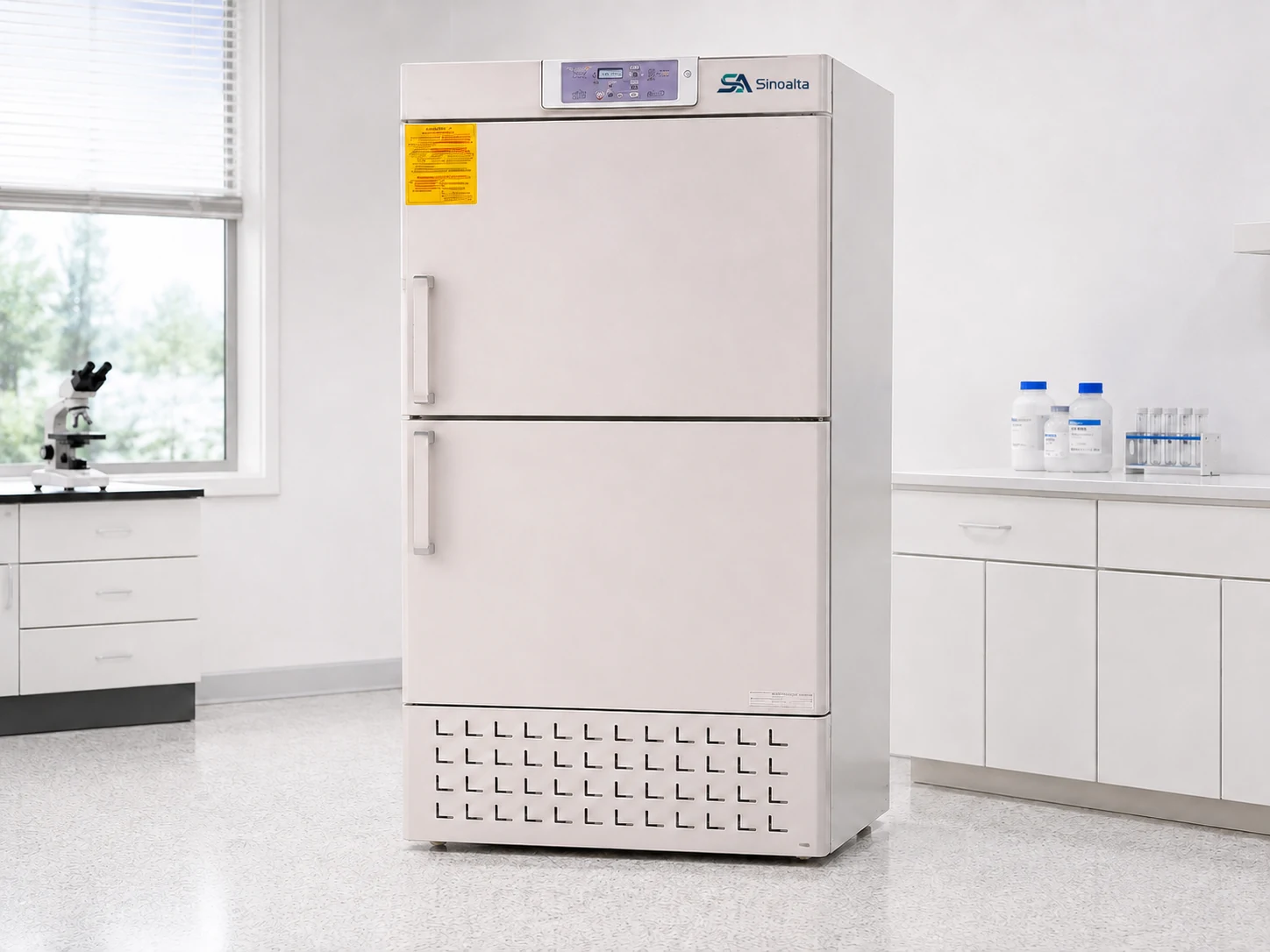
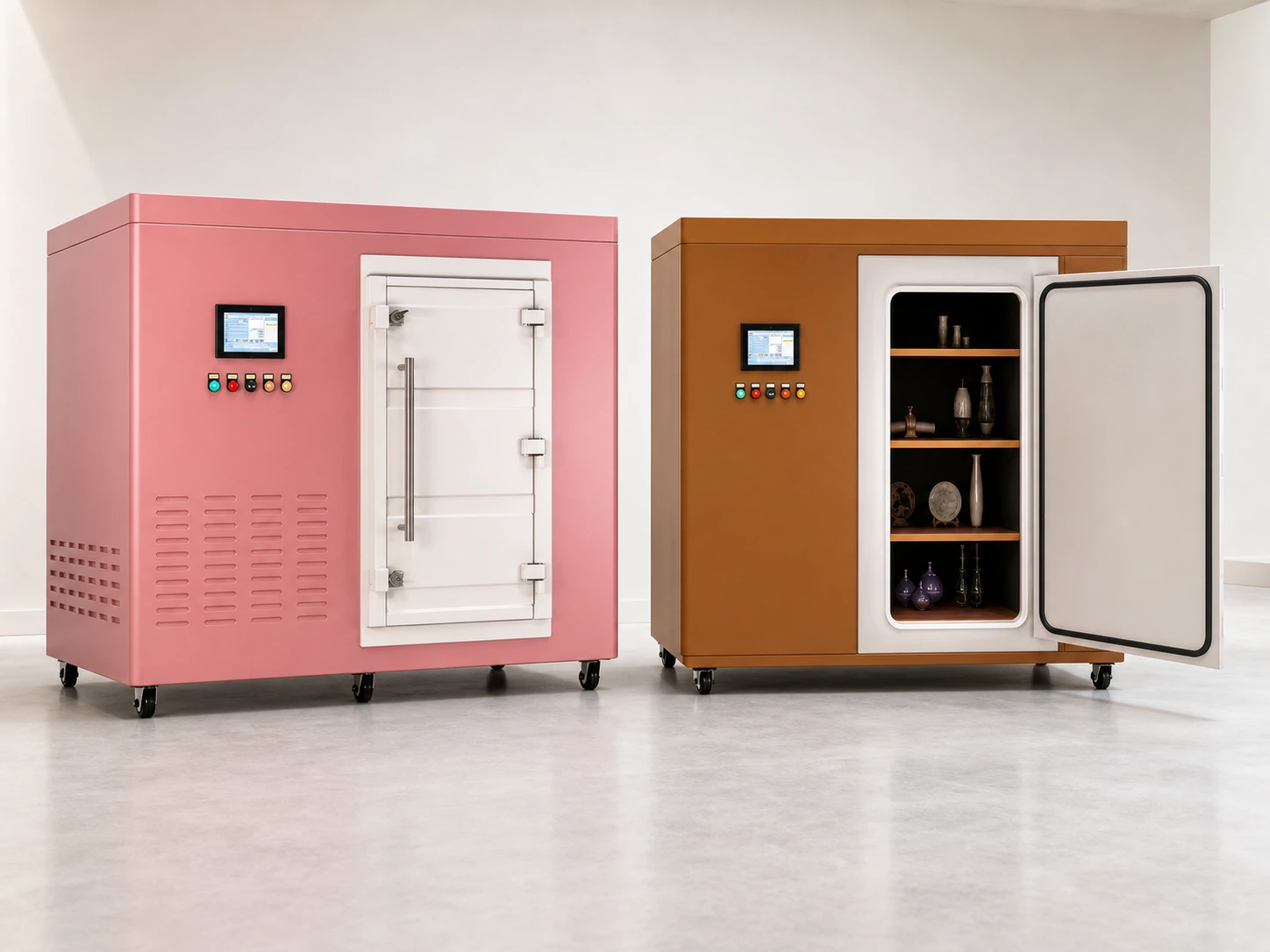
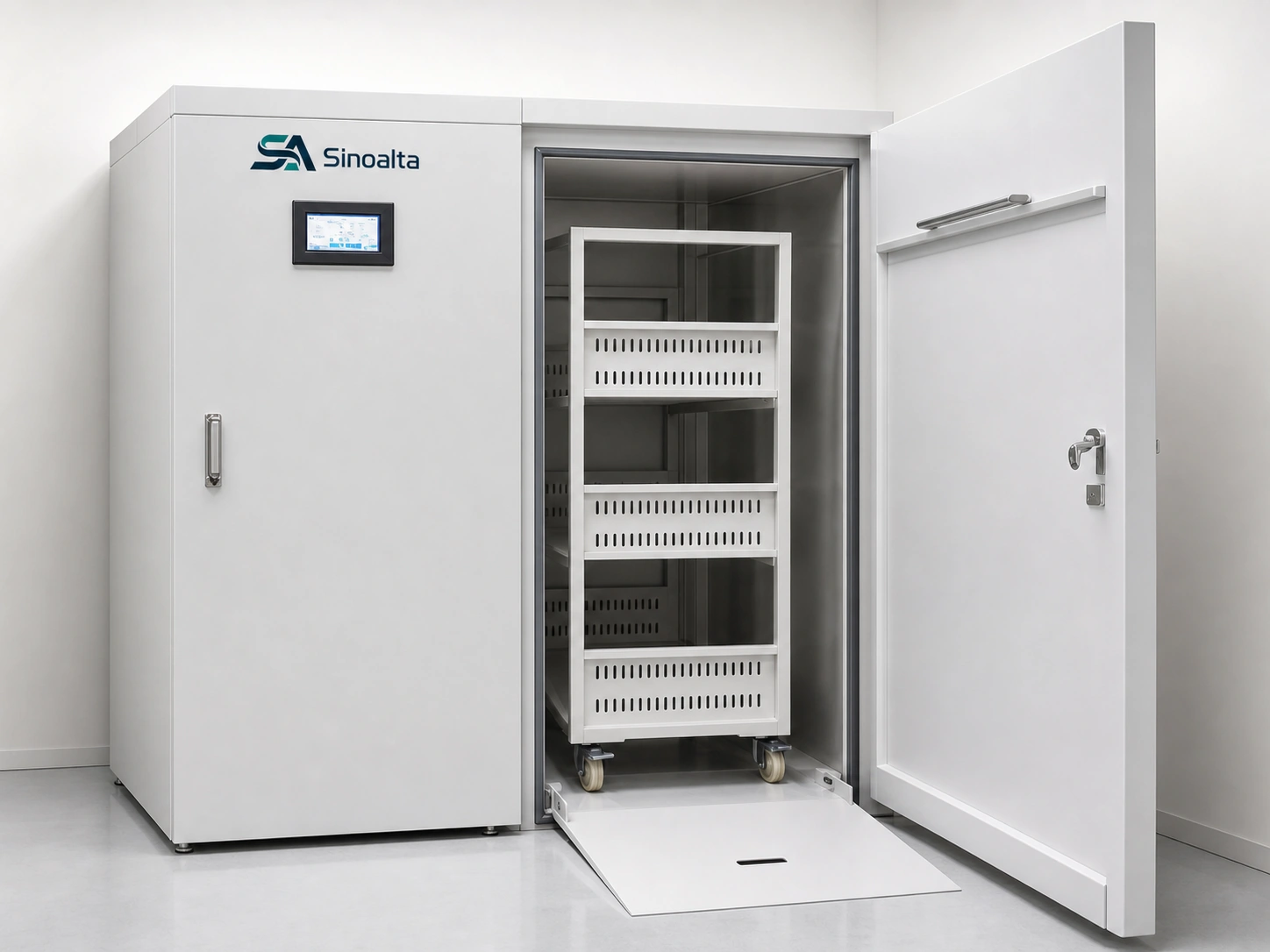
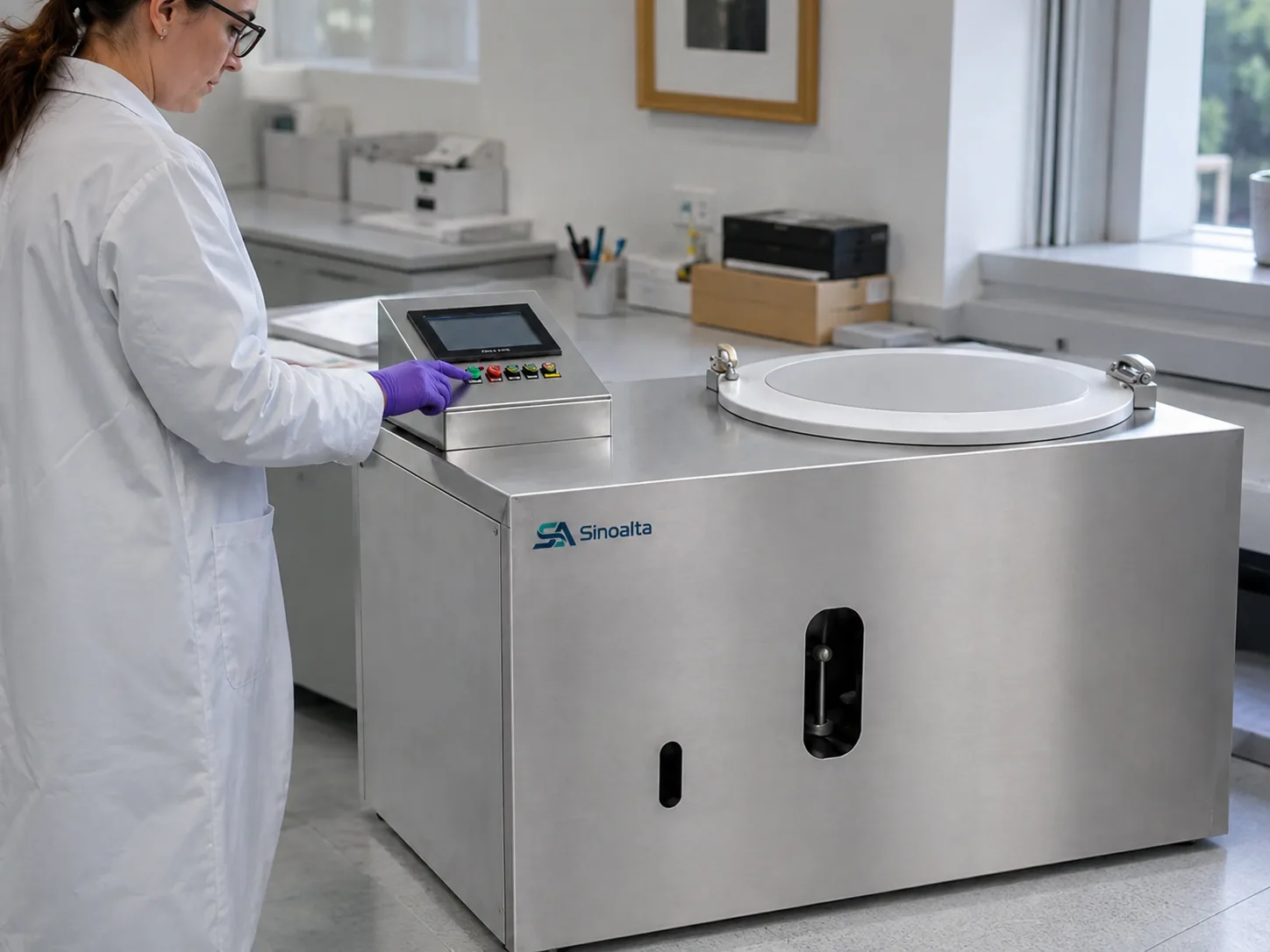
Sinoalta develops controlled nitrogen-anoxia and museum freezing configurations for different object sizes and institutional workflows. System selection should follow a documented treatment strategy rather than replace it.
Explore Museum Pest-Control Solutions → Read Nitrogen Anoxia for Museum Pest Control → Read Integrated Pest Management for Museums →
Selected Technical References
- Canadian Conservation Institute, Comparison of Treatment Methods: https://www.canada.ca/en/conservation-institute/services/agents-deterioration/pests/comparison-treatment-methods.html
- Canadian Conservation Institute, Controlling Insect Pests with Low Temperature: https://www.canada.ca/en/conservation-institute/services/conservation-preservation-publications/canadian-conservation-institute-notes/controlling-insects-low-temperature.html
- U.S. National Park Service, Museum Handbook Part I — Biological Infestations: https://www.nps.gov/subjects/museums/upload/MHI_Ch5_BiologicalInfestations.pdf
- Getty Conservation Institute, The Use of Oxygen-Free Environments in the Control of Museum Insect Pests: https://www.getty.edu/publications/virtuallibrary/0892366931.html
- Getty Conservation Institute, Inert Gases in the Control of Museum Insect Pests: https://www.getty.edu/conservation/publications_resources/pdf_publications/inert_gases.html