
Nitrogen anoxia equipment is generally configured for a project. Object size, batch loading, gas supply, monitoring, installation and validation all affect the proposal; external dimensions alone cannot produce a comparable budget.
A defined scope is more useful than an unqualified average price when planning a project.
Objects and usable volume
Record maximum dimensions, packaging, objects per batch and handling requirements. Usable space must accommodate supports, air movement, sensors and safe loading as well as the objects.
A larger volume can change gas, site and operating requirements. Size the system against actual batches and frequency instead of automatically choosing the largest option.
Provide a typical batch and the largest object, and ask for loading diagrams showing openings and clearances. This helps assess whether rare large objects justify added capital and operating costs.
Gas, sealing and monitoring
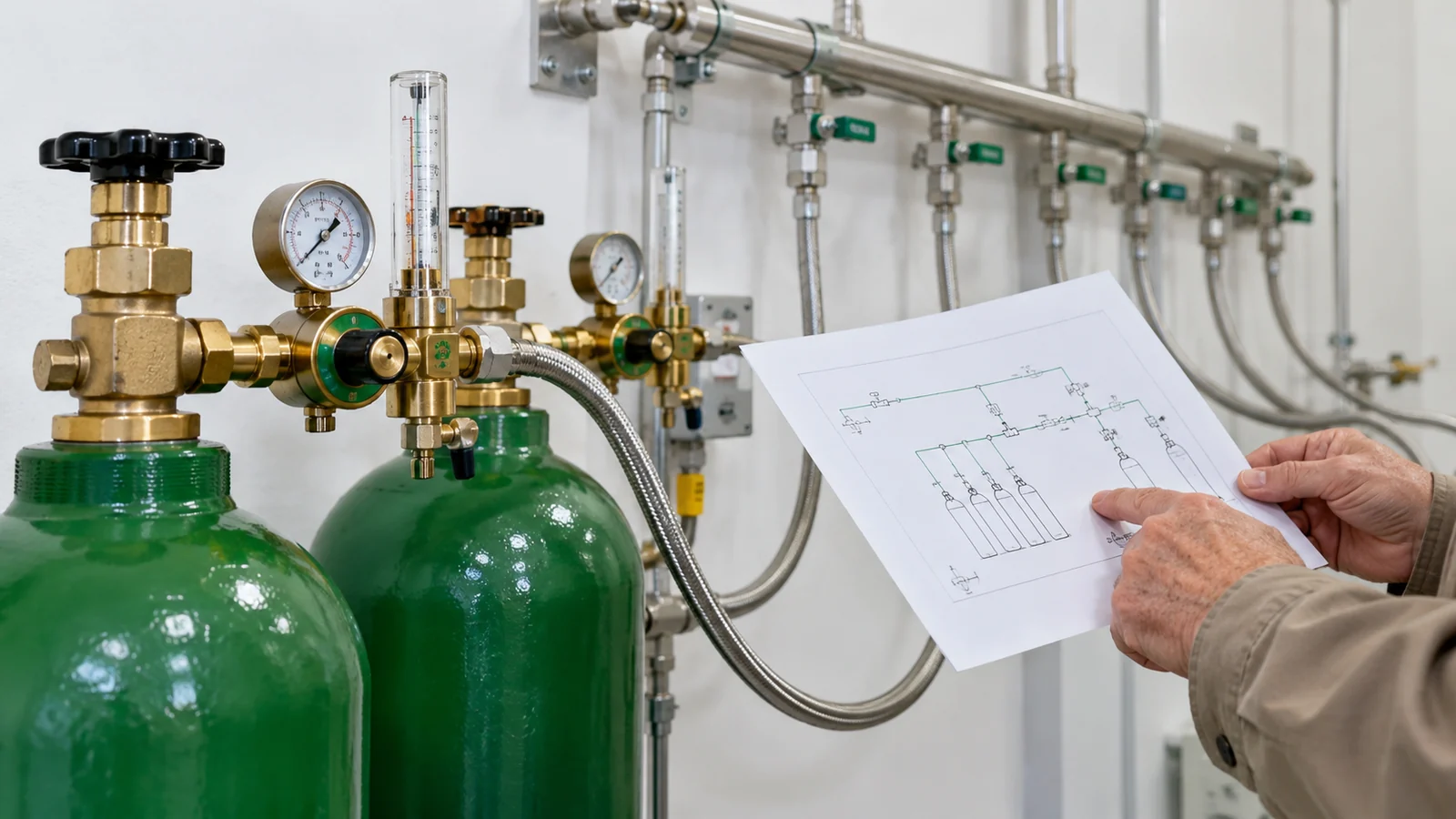
Specify the intended nitrogen supply, location, pipe distance, monitoring and logging requirements. Ask whether supply and consumables are included.
Conservation professionals determine treatment conditions, duration and object suitability for the target pests and materials. Monitoring equipment does not validate every treatment protocol.
When suppliers propose different gas sources, compare site space, replenishment, maintenance and connection responsibilities on a common schedule.
Installation and building interfaces
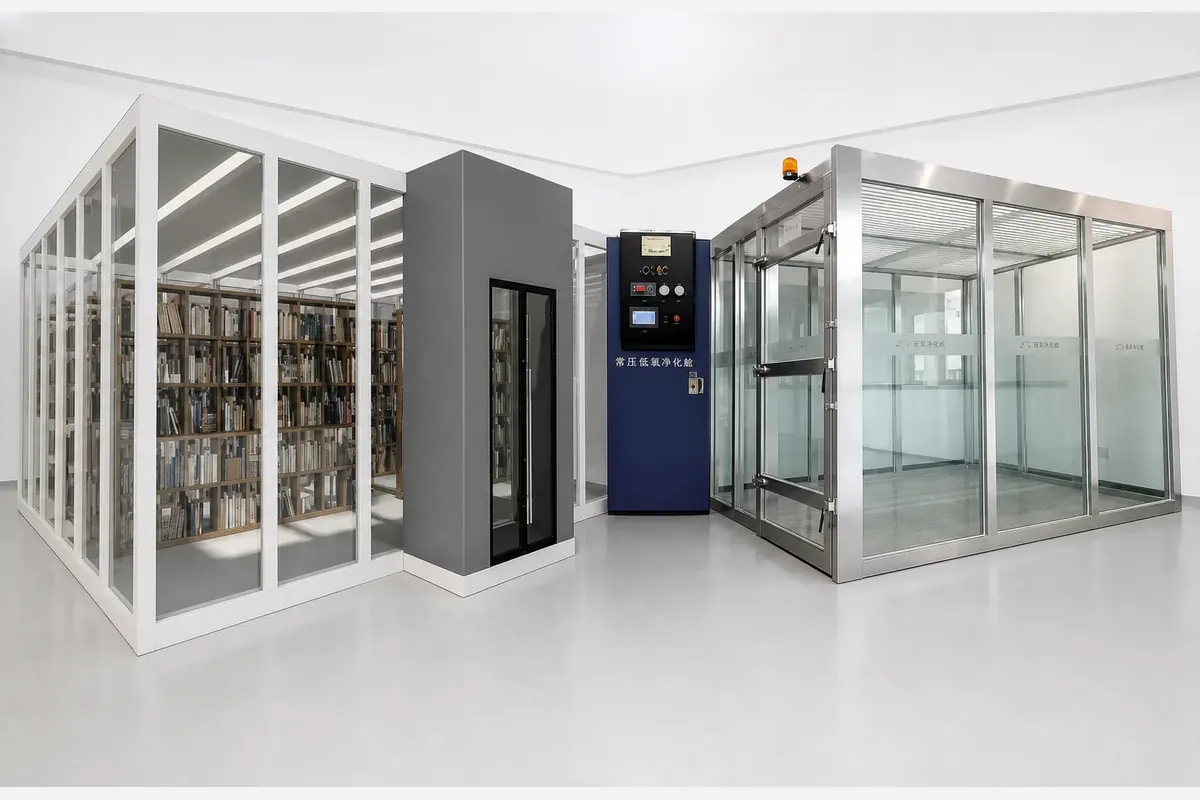
Access routes, floor capacity, power, piping and maintenance space may affect costs. Large equipment may need site assembly and coordination with building work.
Nitrogen use requires a personnel safety plan developed by qualified people for the space, ventilation, monitoring and applicable local requirements. Make the gas and safety responsibilities explicit in the quotation.
Testing, training and running costs
Compare factory inspection, commissioning, sensor calibration, operator training, maintenance documentation and agreed acceptance tests. Define measurement points, duration and criteria.
Operating costs include gas, energy, consumables, maintenance, calibration and staff time. Calculate these for the chosen supply and frequency rather than assuming a universal figure.
Obtain comparable quotations
Give suppliers the same collection, capacity, site and target information. Ask for equipment, installation, gas, training and maintenance separately, with exclusions.
If inputs remain uncertain, request alternative configurations with assumptions and options. Keep the treatment protocol, equipment capability and project acceptance requirements distinct in the contract.
Separate initial and long-term expenditure
Initial budgets can include the enclosure, supply and piping, monitoring, installation, commissioning and training. Identify limited access or site assembly before quotation to avoid unexpected changes in transport scope.
Ongoing expenditure may include nitrogen, seals, calibration, maintenance and staff time. Ask suppliers to explain the assumptions behind estimates at different operating frequencies.
Occasional users should consider utilisation and preparation time; frequent users may prioritise repeat loading, documentation and maintenance. These are comparison factors, not a substitute for a project quotation.
Questions to answer before an RFQ
Is the gas supply included? A supplier may supply only an interface or also provide the source and accessories. Assign supply, piping, maintenance and personnel safety, especially when another party provides site infrastructure.
Can capacity be inferred from external size? Door clearance, supports, handling and usable internal space all matter. Provide the largest object and typical batch for an arrangement check.
Can treatment effectiveness be guaranteed from equipment alone? Results depend on object, pest, atmosphere, temperature, time and procedure. Require traceable monitoring and let qualified professionals define and validate treatment.
Sources
Provide maximum object dimensions, batch sizes, site gas arrangements and validation needs for a project-specific configuration and quotation.
Explore related equipment → · Discuss your project →