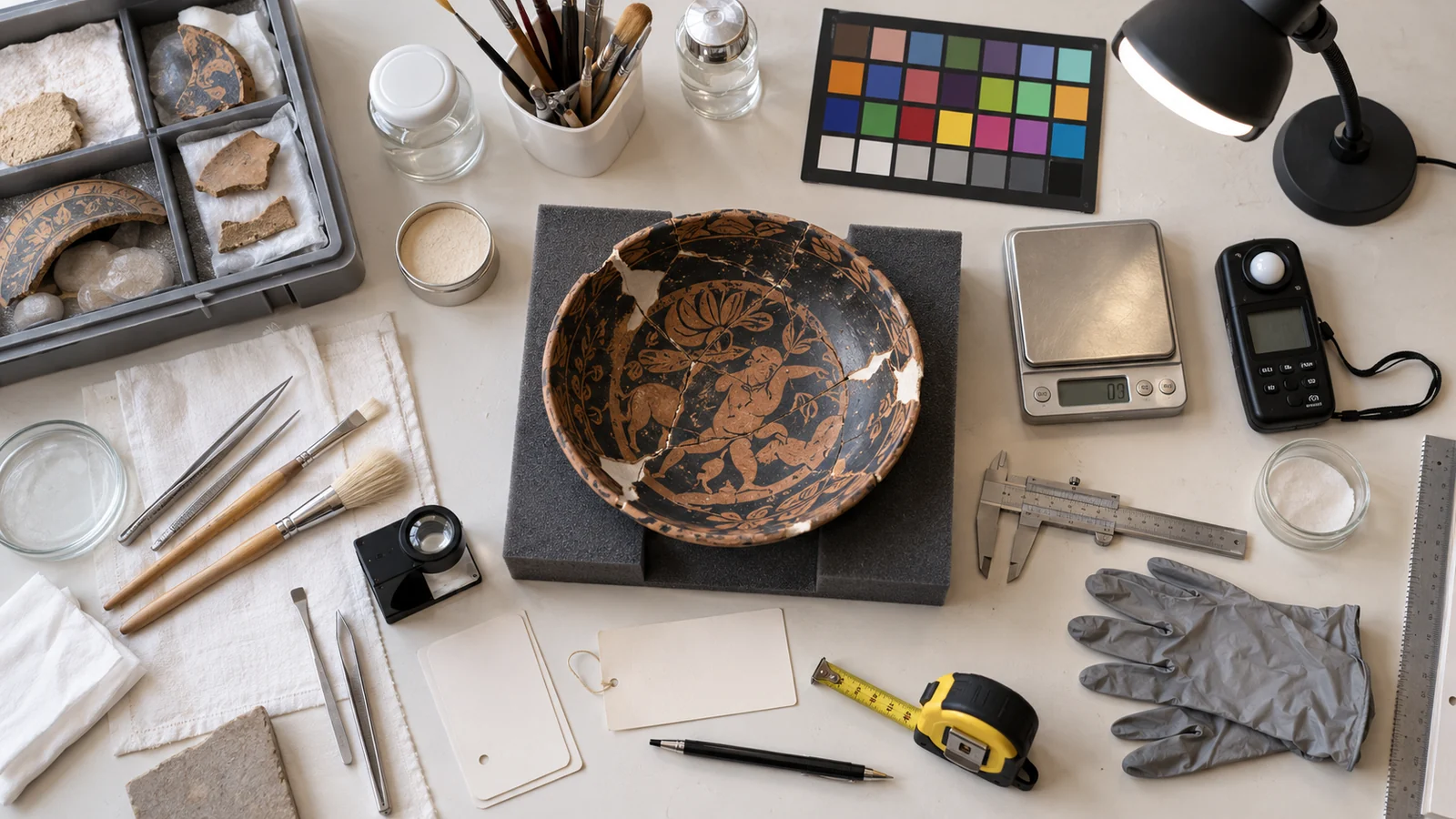
An equipment list should start with the materials and tasks the team will handle. Paper, metal and archaeological objects place different demands on work surfaces, ventilation, utilities and operating space.
Use the following framework to connect equipment with the room and workflow, then distinguish the first phase from later expansion.
Define collections and expected workload
List collection categories, maximum dimensions, typical weights, treatment frequency and available staff. For composite or unstable objects, identify who will approve the treatment before selecting the equipment to support it.
Annual capacity estimates should include waiting, examination, documentation and movement. A machine's nominal capacity is not the throughput of the complete laboratory.
- Object types and known risks
- Maximum and typical dimensions and weights
- Frequency, staffing and expected growth
Equip intake, examination and documentation
The intake area needs suitable space for temporary holding and identification, including separation of clean items from potentially contaminated material. Examination and recording need appropriate lighting, camera positions and safe support.
Before selecting a workstation, task light or imaging equipment, confirm the documentation objective, working height and route for moving large objects.
Select workstations and equipment by treatment
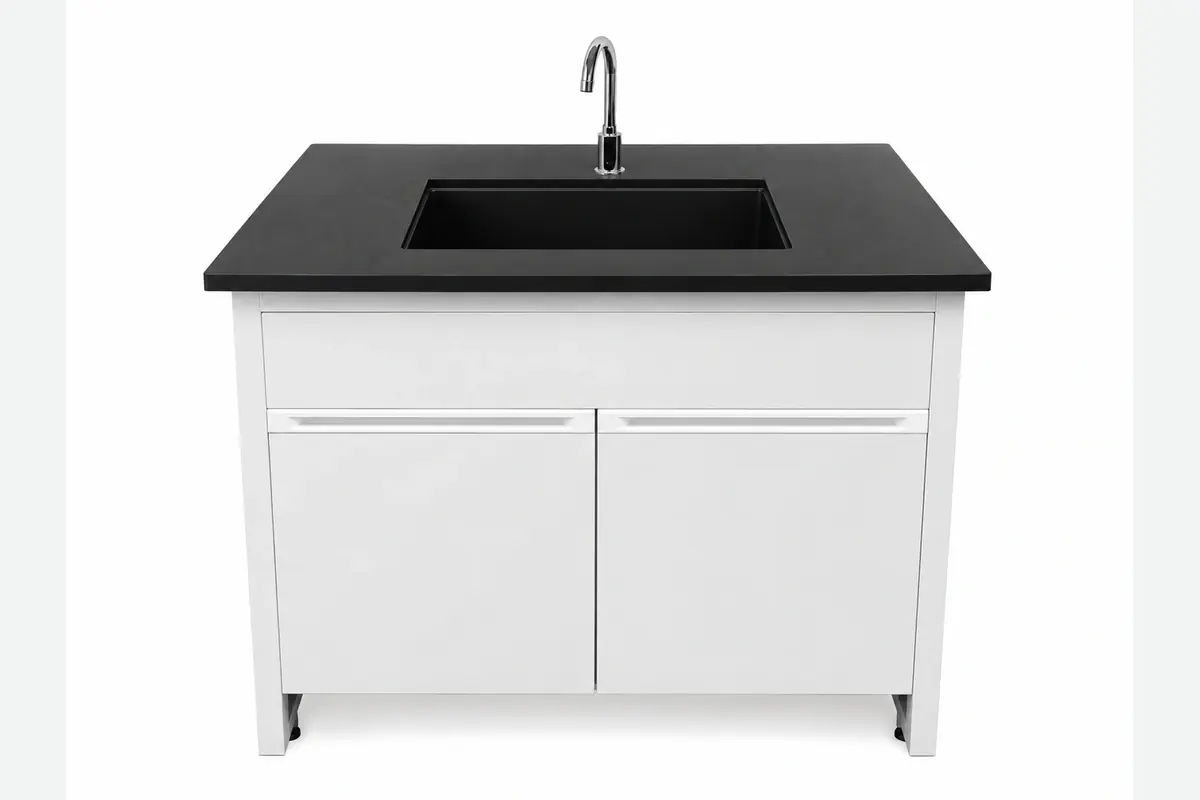
Paper and book work can involve cleaning, wet treatment, suction, leafcasting, drying or flattening; metal and other three-dimensional objects may require local dust capture, cleaning or dedicated support. A conservator determines which operations suit each object.
Check usable work area, operating height, movement space, drainage and electrical connections, with access for cleaning and maintenance.
For example, a paper object may move from wet treatment to suction, drying or flattening. Check heights, support materials and transfer routes so the object remains supported between stations. The actual sequence follows the conservator's plan.
Include utilities and safety in the schedule
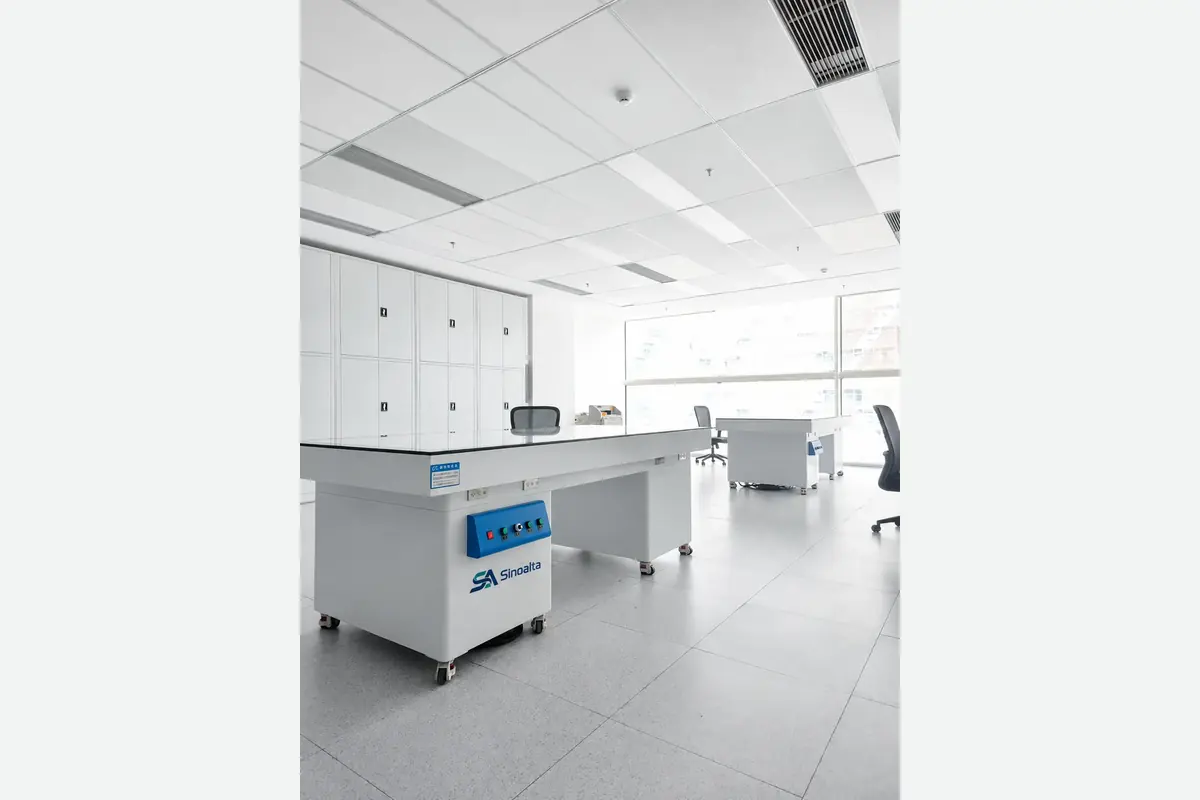
Record electrical, water, drainage, extraction, network and environmental requirements alongside each item. Extraction must be coordinated with the building design and applicable local requirements; an existing duct cannot automatically be assumed suitable.
Identify noise, lighting, floor loading, handling and training needs. Qualified personnel should determine controls for dust or chemicals based on the materials and local requirements.
Phase procurement and plan acceptance
Prioritise clearly defined, frequent work in the first phase and reserve space and interfaces for later equipment. For costly equipment with uncertain workload, evaluate shared facilities, external services or phased purchase.
Attach the equipment schedule, room plan and interface list to the RFQ. Request separate installation, commissioning, training, maintenance and acceptance scopes. Define test materials and criteria where treatment performance is required.
Turn the list into a space and interface schedule
Create a row for each operation with its objects, equipment, space, neighbouring processes, staffing and utilities. Examination and documentation may need to be close to intake, while dusty work needs separation and extraction based on a risk assessment.
For each proposed item, mark whether power, water, drainage, exhaust, heat rejection and maintenance access are confirmed. Equipment and building drawings need a common reference so conflicts with openings, ducts and access can be found early.
If the final model is unknown, reserve an interface range confirmed with the supplier and agree when it will be checked. A concept sketch is not a construction drawing; coordinate interfaces before building work is complete.
Separate basic and specialist provision
Basic provision should support tasks the institution already plans to perform, such as intake, examination, documentation and safe temporary holding. Specialist equipment should correspond to a defined treatment, trained personnel and a clear usage requirement.
When budgets are constrained, secure basic work areas, routes and building interfaces first, then phase specialist purchases. Compare in-house capacity with external collaboration by considering transport, collection risk, waiting time and ongoing maintenance.
For each item, ask what it treats, who operates it, what utilities it needs, how often it will be used and how readiness will be confirmed. Unanswered items need clarification before procurement.
Sources
- Canadian Conservation Institute: Basic Requirements of Preventive Conservation
- National Park Service: Museum Handbook
Share your collection types, floor plan and proposed processes to discuss a phased equipment schedule and site interfaces.
Explore related equipment → · Discuss your project →