Fine-detail visibility
Watermarks, tears and subtle material structures were difficult to distinguish under ambient lighting alone.
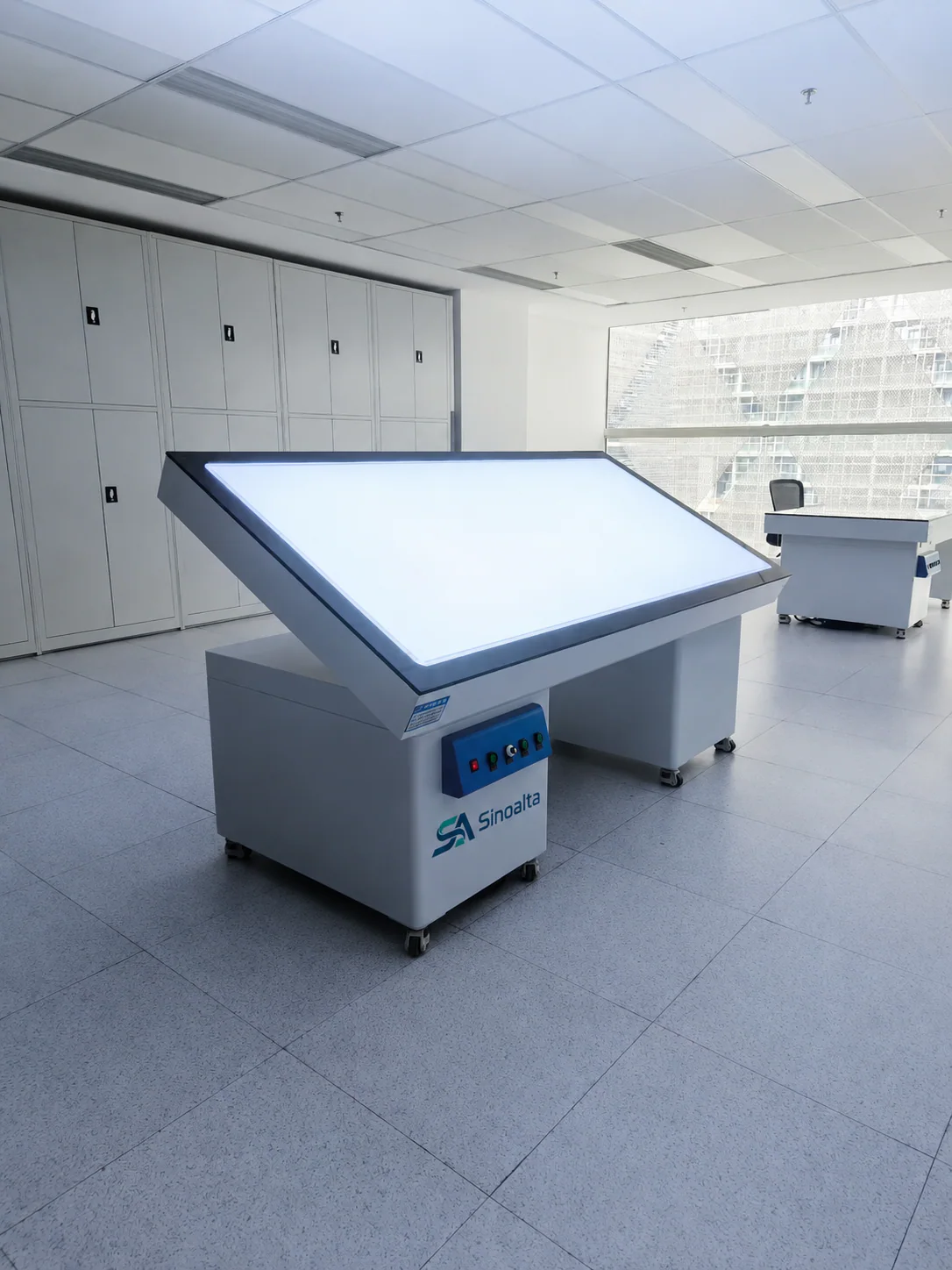
A transmitted-light working platform configured around material visibility, positioning and long-duration conservation work.
For conservators working with archives, manuscripts and other paper-based collections, a work surface is more than a place to support the material. Visibility, positioning and operating posture can directly affect everyday conservation work.
For this Southeast Asia project, the customer required a dedicated archive conservation workstation for an existing document preservation and restoration workspace.
The requirement originated from a practical problem: watermarks, damaged areas and fine paper details were difficult to examine on a conventional flat working surface.
To obtain a clearer view of watermarks and damaged areas, operators often needed to lean forward or bend over the material for extended periods.
During longer restoration sessions, this posture could lead to lower-back discomfort, while prolonged close visual inspection contributed to eye fatigue.
The customer therefore needed more than a larger table. The working platform had to improve both material visibility and the conservator's viewing position.
Watermarks, tears and subtle material structures were difficult to distinguish under ambient lighting alone.
A fixed horizontal surface required conservators to lean over the material during close inspection.
Paper and textile materials needed sufficient space to be unfolded and supported without repeated repositioning.
The working area needed to make treatment locations easier to identify and position before conservation work began.
The customer's work was not limited to conventional documents. Some procedures also involved textile and other flat materials that required more room for spreading, inspection and accurate positioning.
The expanded surface gives the conservator a clearer and more controllable area for inspection, positioning and treatment.
The equipment is not simply a conventional table with lighting beneath it. The illumination system, controls and support structure are integrated while keeping the principal treatment area clear and organized.
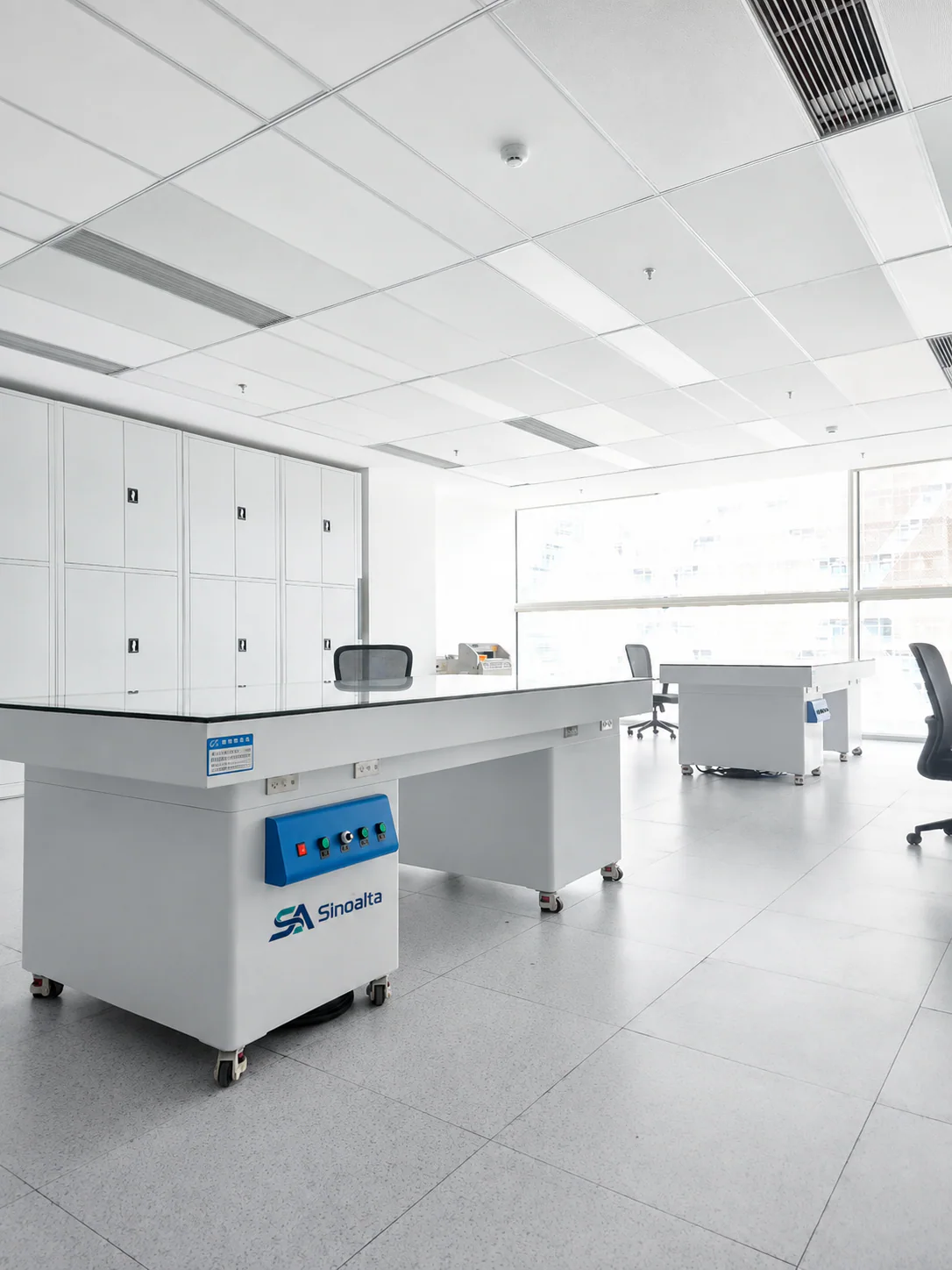
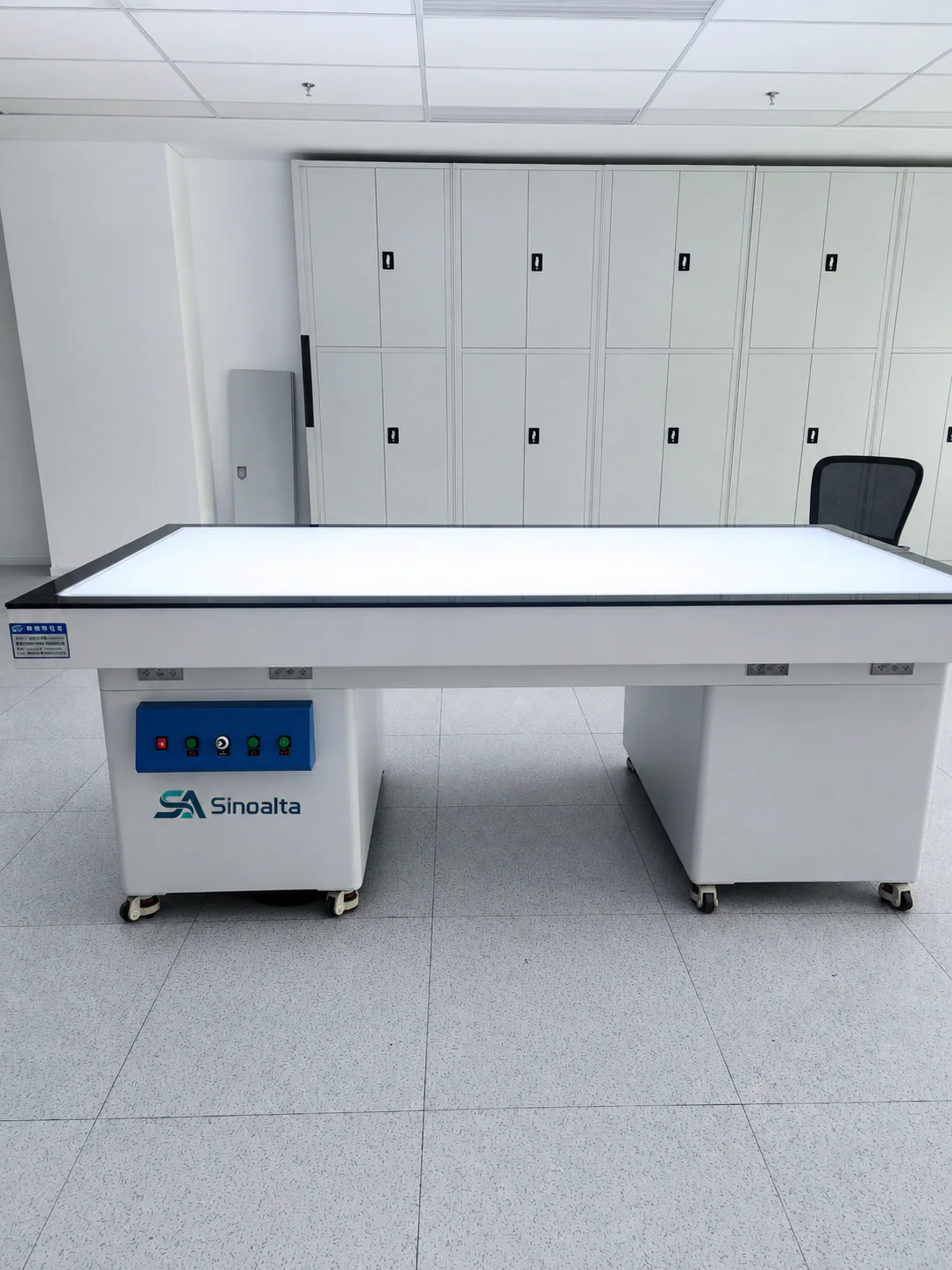
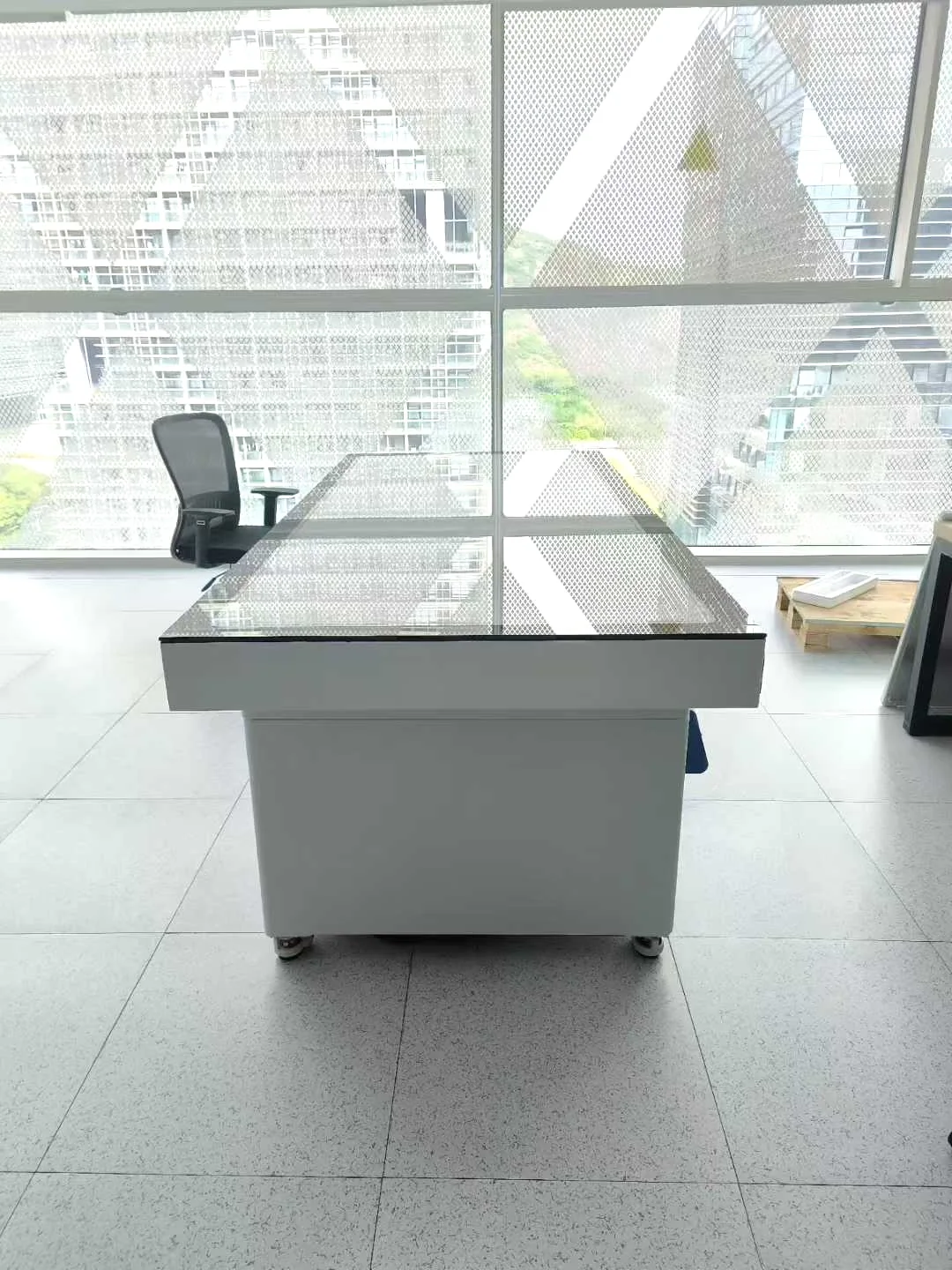
After the workstation was introduced, the customer reported that the adjustable working angle made longer document-inspection sessions more comfortable, particularly when examining watermarks and damaged areas.
The illuminated surface made fine details easier to identify. The larger working area also improved handling of larger paper materials and provided additional room for textile conservation tasks.
According to the feedback supplied for this project, material positioning became easier and the overall operating experience improved compared with the previous working arrangement.
Better visibility: transmitted illumination assists examination of watermarks, damaged areas and fine material structures.
More comfortable working posture: the adjustable surface reduces the need to remain bent over a horizontal table during prolonged inspection.
Larger treatment area: the expanded working surface supports larger paper documents and selected textile materials.
Improved positioning: a clearer, larger surface makes it easier to spread and accurately position materials before treatment.
Before configuring a workstation, it is important to understand what the conservator needs to see, how the material must be positioned, the maximum material size and the posture required during long-duration work.
Protect the material while helping professionals work in a more suitable way.
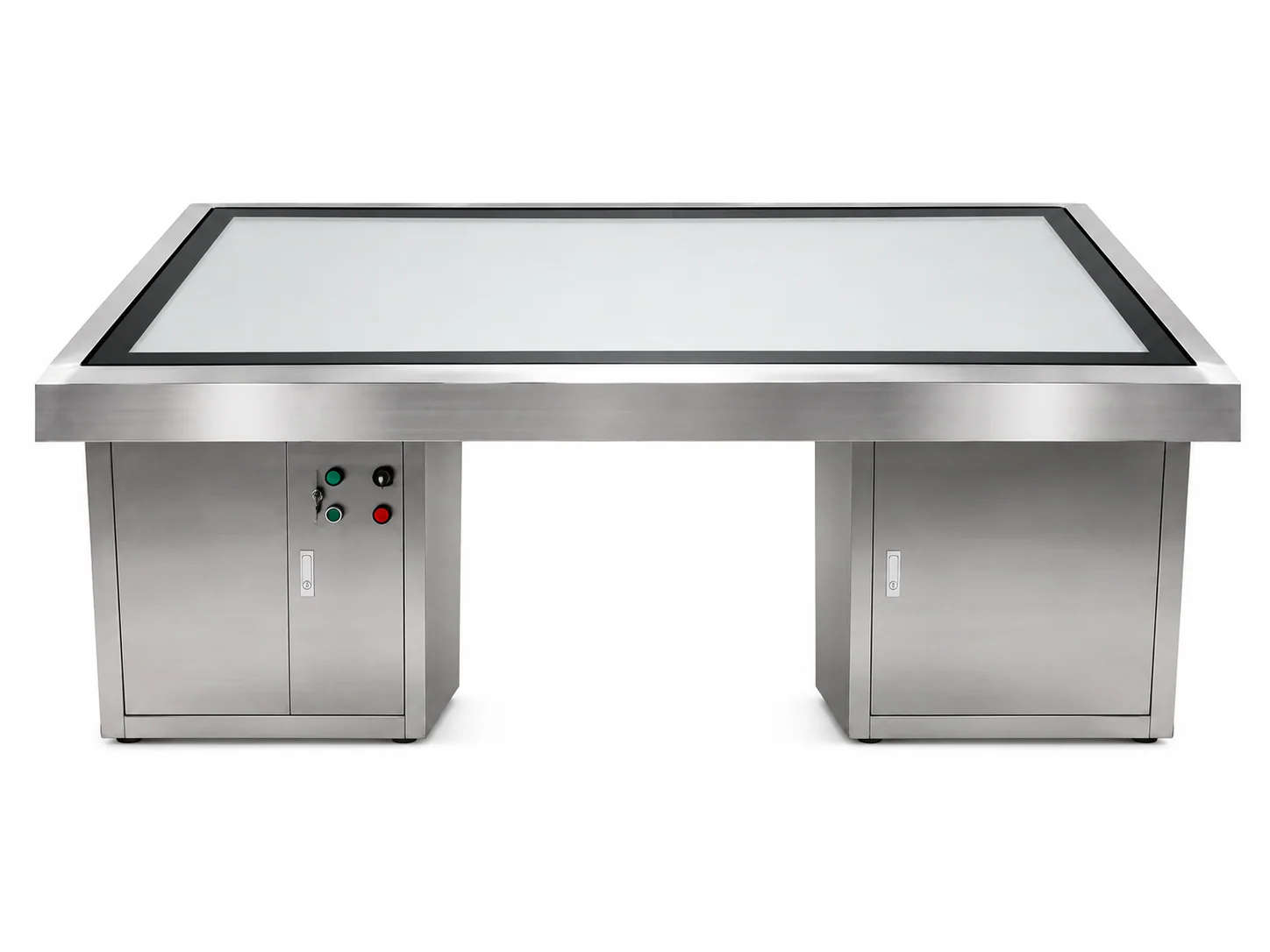
archive conservation workstation transmitted-light conservation table adjustable conservation workbench
illuminated inclined table for watermark inspection workstation for large-format paper worktable for paper and selected textiles
watermark examination archive repair manuscript conservation textile positioning large-format paper treatment
archives libraries museums document preservation facilities conservation laboratories universities