Stable paper transportation
An adsorption conveyor helps reduce paper displacement and handling risks during transportation.
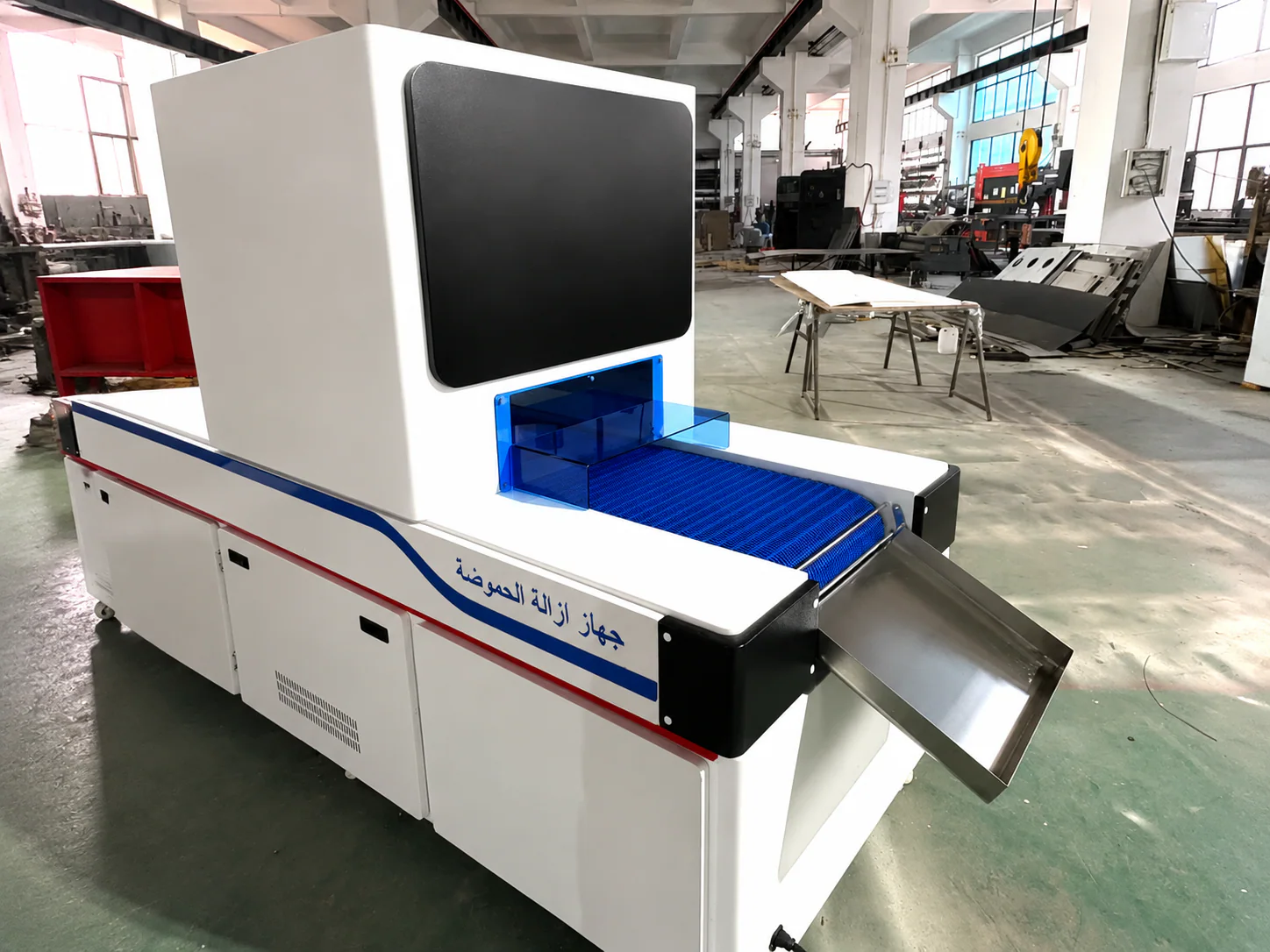
A preservation solution designed for ageing paper collections, religious books and valuable documentary materials.
Historic books, religious texts and archival documents carry significant cultural and historical value. As paper ages, however, acidity within the material can gradually affect its physical stability and preservation condition.
For institutions responsible for valuable paper collections, preservation is not only about maintaining suitable storage conditions. It can also require treatment of deterioration risks within the paper itself.
For this project in Dubai, UAE, the customer required a dedicated deacidification solution for religious books and other valuable paper-based materials. Sinoalta provided an automated system designed to support a more efficient and consistent treatment workflow for acidic paper collections.
The customer was seeking a professional solution for ageing paper materials, including religious books and other valuable documentary collections.
Manual deacidification can require considerable operator involvement, particularly when an institution needs to process larger quantities of documents. The project therefore called for an automated system capable of supporting continuous paper treatment while maintaining controlled operation.
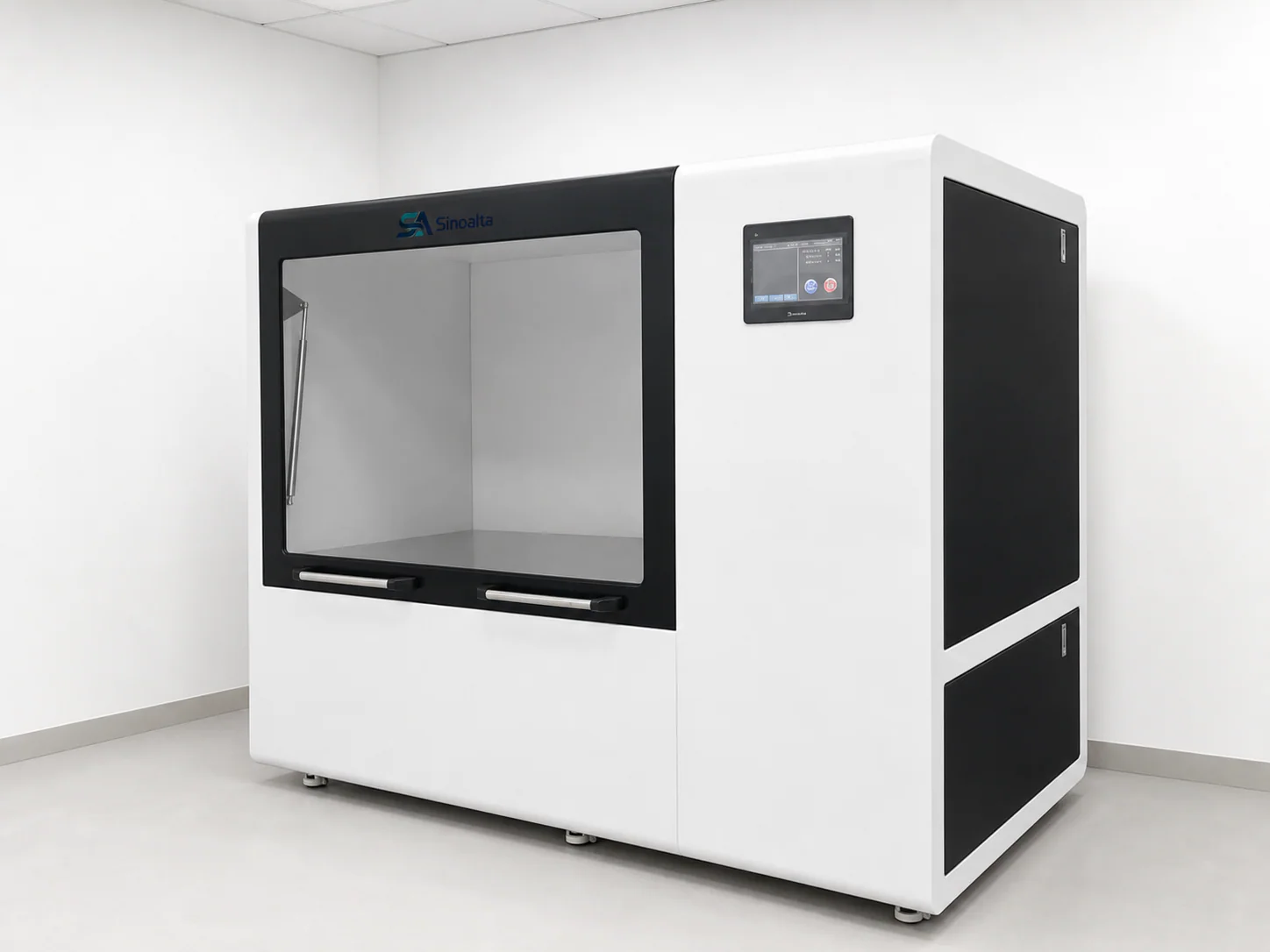
Based on these application requirements, Sinoalta configured an automated spray deacidification system for paper conservation workflows.
An adsorption conveyor helps reduce paper displacement and handling risks during transportation.
Fine spray control supports a more consistent application process than manual spraying.
The automated workflow allows one operator to manage the system during operation.
Negative-pressure extraction and three-stage filtration help manage volatilized treatment liquid.
The continuous workflow combines paper transportation, spray application, negative-pressure extraction and filtration in one platform for archives, ancient books, paper artworks, books and newspapers.
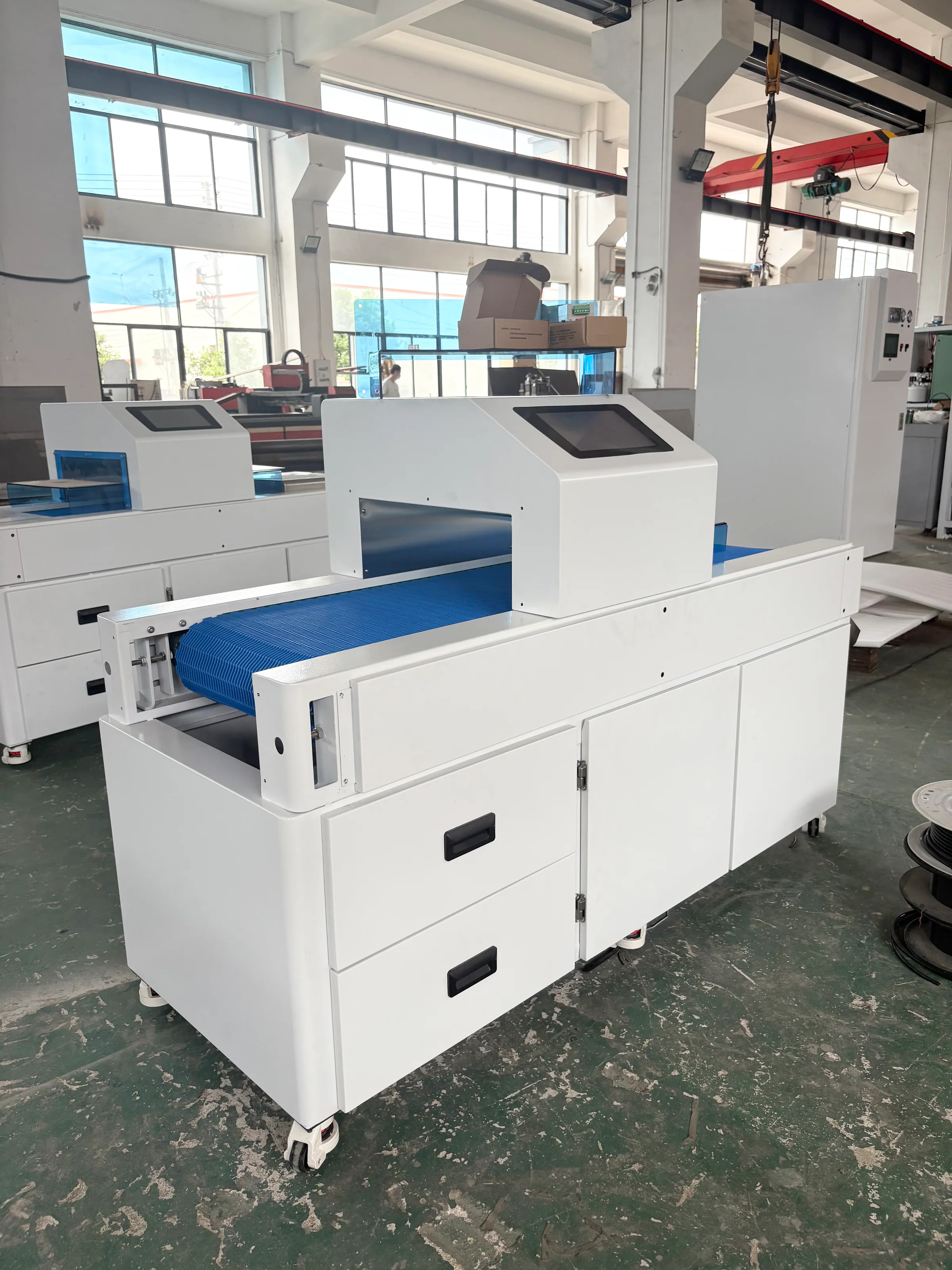
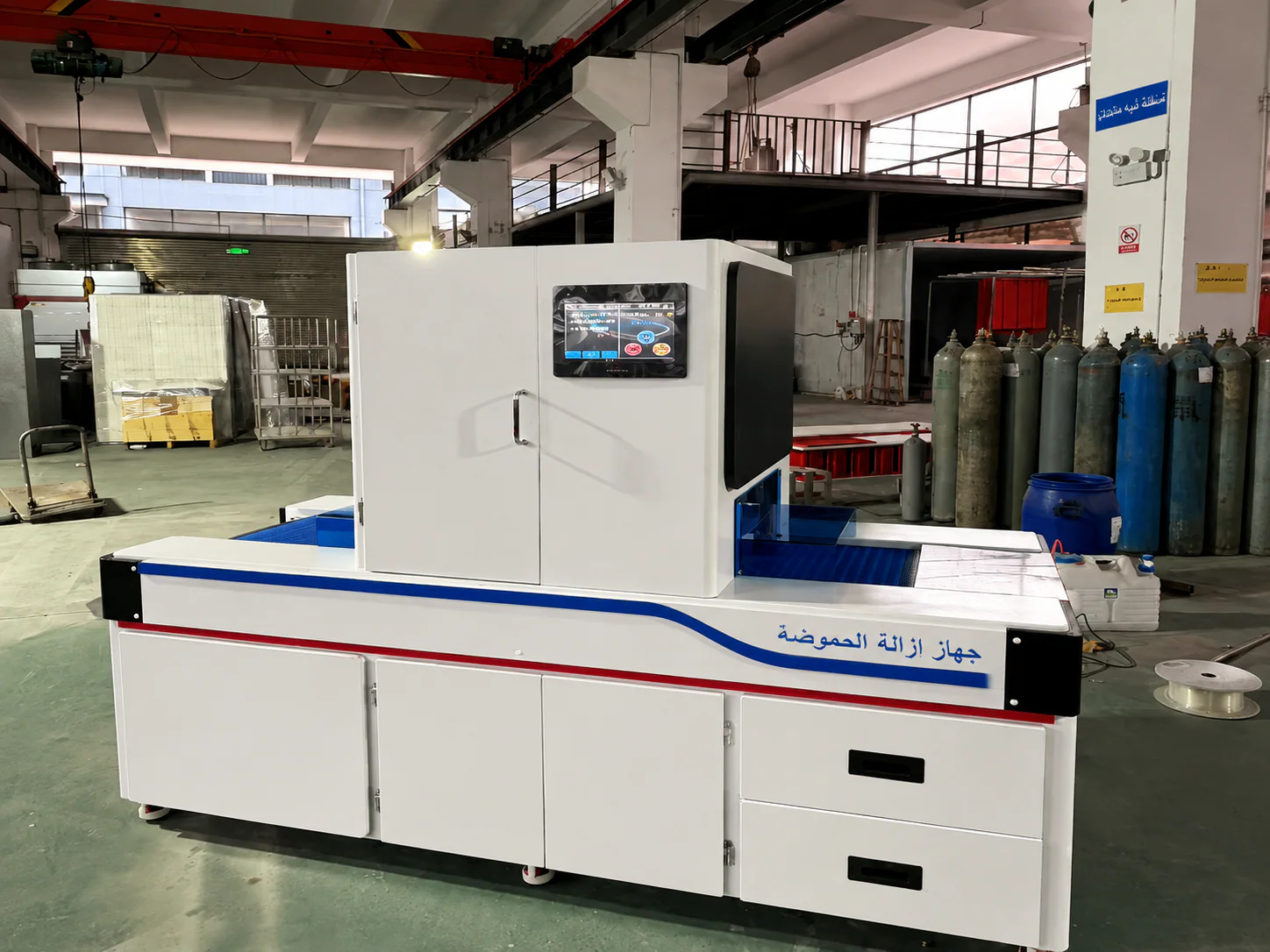
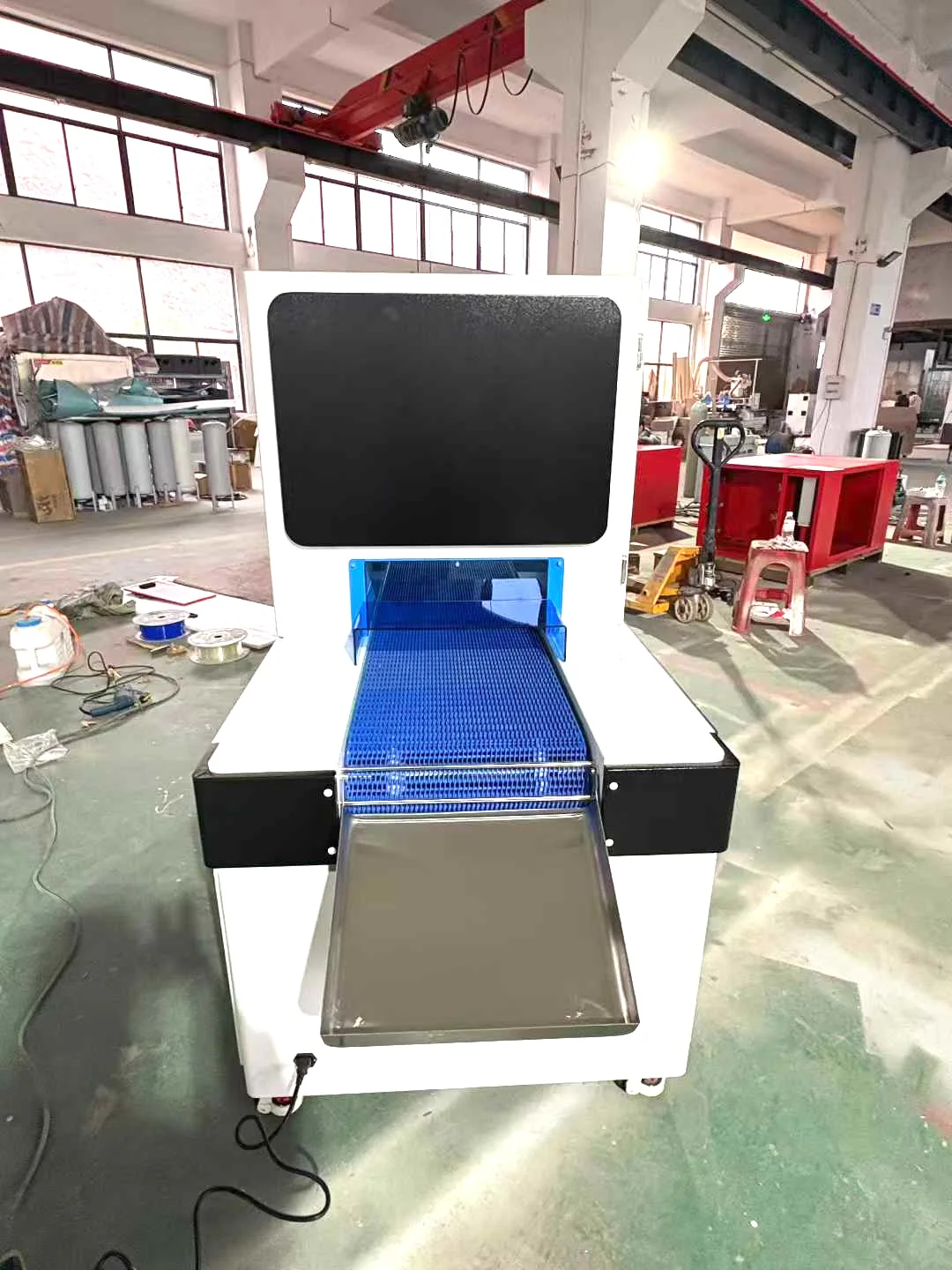
The supplied configuration brings the principal stages of an automated paper treatment workflow into one system. The final operating method and project requirements remain subject to technical confirmation for the intended materials.
This reference capacity is intended for preliminary workflow comparison. Actual throughput depends on paper condition, size, treatment method, process settings and project acceptance requirements.
Following confirmation of the required configuration, the system entered manufacturing and assembly at Sinoalta. The completed equipment integrated the conveying, spray treatment, negative-pressure extraction and filtration functions required for the application.
The equipment was then prepared for international delivery for the preservation treatment of religious books and other valuable paper collections in Dubai, UAE.
The project provided a dedicated automated solution for paper deacidification by integrating transportation, spray treatment, extraction and filtration in one platform.
It also demonstrates an important distinction in preservation planning: environmental control manages external risks, while deacidification addresses acidity-related deterioration within paper materials. Different preservation risks require different treatment and protection strategies.
Paper size, condition, treatment volume, handling requirements and the institution's operating process all affect equipment selection. A deacidification solution should therefore be reviewed around the actual collection and conservation workflow.
Protect the collection by addressing both its environment and the risks within the material itself.
automated paper deacidification system book deacidification machine archive paper deacidification equipment
automatic spray deacidification for rare books continuous-feed paper deacidification deacidification for religious-book preservation
religious book preservation rare book conservation acidic archive treatment paper collection stabilization
archives libraries museums religious institutions conservation laboratories cultural heritage authorities